By David M. Greenwald Executive Editor Davis, CA – One of the biggest questions Davis will face moving forward is what to do about Measure...




Top Stories
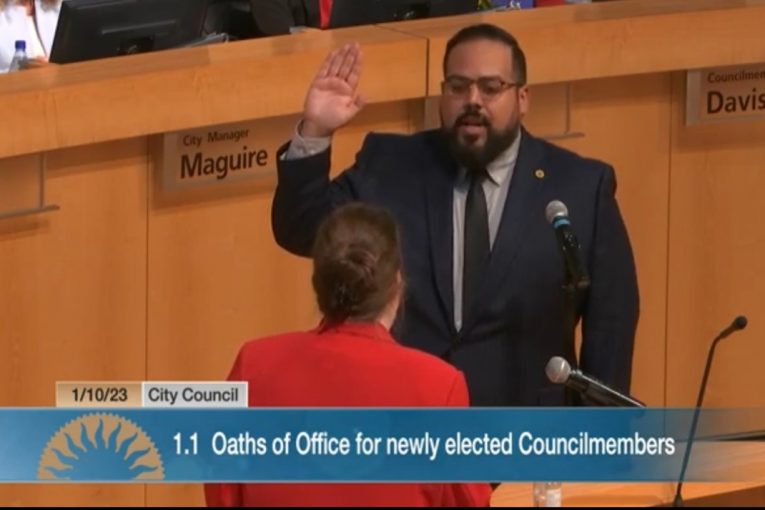 By Susan Bassi and Fred Johnson A judge has thrown out a civil harassment lawsuit and temporary restraining order that San Jose City Councilmember...
 Kansas has temporarily blocked trans people from accessing gender-affirming state IDs, and we’re fighting back. By DC Hiegert In 2023, Kansas enacted a law attempting...
 By Maeve Haggerty, Bryan Miller and Leela Bronner SAN FRANCISCO, CA – Prosecutors Alliance of California (PAC) this week issued a letter announcing its amicus...
 By Bergen Greenley WASHINGTON, DC – The ACLU applauded President Biden’s announcement this week that he intends to grant clemency to people sentenced to unjustly...
 By Roxy Benson NEW YORK, NY - Yousef Salaam, a New York City Council Member of the 9th district in Manhattan, and long-time Harlem resident,...
 By Vanguard Staff Oakland, CA – On Tuesday, AG Rob Bonta filed a motion for final judgment in Bonta v. Chino Valley Unified School District seeking injunctive...
 By Vanguard Staff Sacramento, CA – On Tuesday, the Senate Judiciary Committee passed SB 1037, authored by Senator Scott Wiener and sponsored by Attorney General...
 Malibu to update housing plan by September 2024 for development of 79 additional housing units By Vanguard Staff Sacramento, CA – The state on Wednesday...




Sacramento Court Watch
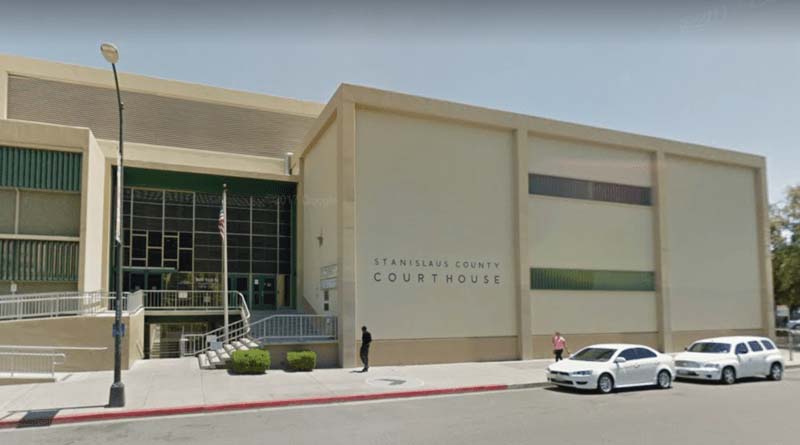
 By Amy Berberyan, Maria Pia Matos, and Belen Avelar MODESTO, CA – Stanislaus County Superior Court Judge Dawna Reeves Friday reduced the charges of the...
San Francisco Court Watch
SF Jury Acquits Man; Defense Charges Police ‘Ignored’ Evidence, Conducted ‘Incomplete’ Investigation
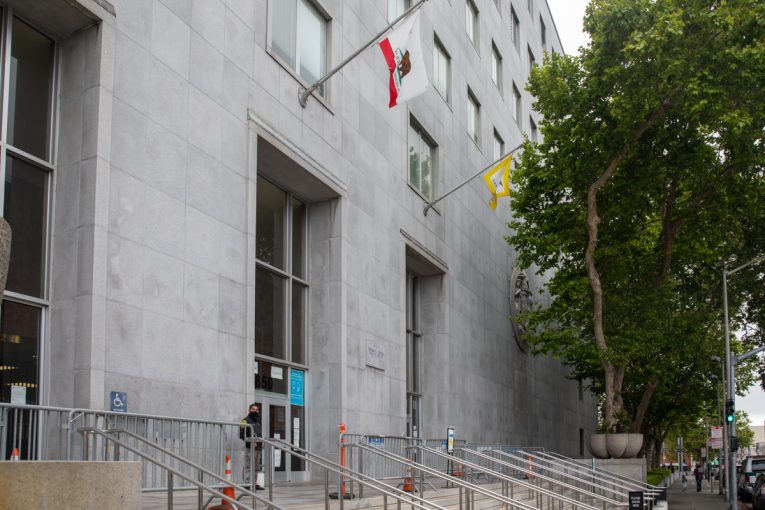
By The Vanguard Staff SAN FRANCISCO, CA – A jury here in San Francisco County Superior Court last week agreed with public defenders that SF...
UC Davis
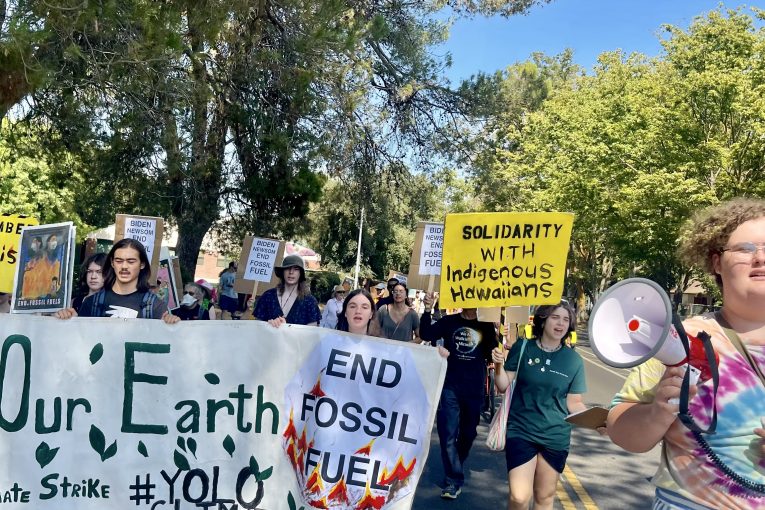
SACRAMENTO, CA 042024 – On April 19, Fridays for Future Davis (FFF Davis), FFF Fresno, and FFF Sacramento will participate in the Fridays for Future...
California
By Vanguard Staff Oakland, CA – On Tuesday, AG Rob Bonta filed a motion for final judgment in Bonta v. Chino Valley Unified School District seeking injunctive...
Opinion
By David M. Greenwald Executive Editor Davis, CA – One of the biggest questions Davis will face moving forward is what to do about Measure...
Letters and Community Events
SACRAMENTO, CA 042024 – On April 19, Fridays for Future Davis (FFF Davis), FFF Fresno, and FFF Sacramento will participate in the Fridays for Future...