
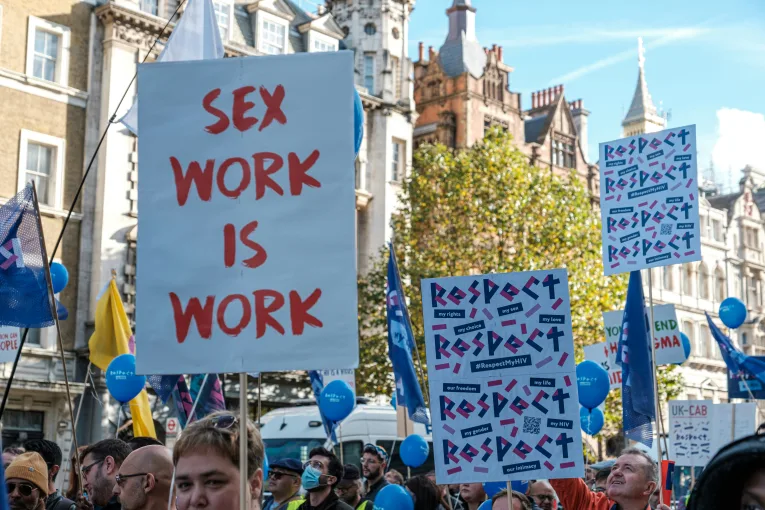
Sex workers are the modern-day Robin Hoods, taking money from the rich and funneling it back into the communities they represent. Their work is often stigmatized and criminalized, but the truth is that sex workers play a crucial role in redistributing wealth and supporting their communities. It’s high time we recognize their contributions and fight for their rights and legalization.
Sex workers often cater to wealthy clients, and the money they earn is frequently reinvested into their communities. This wealth redistribution is a form of economic justice, where those with means are supporting those in need. Sex workers spend their earnings on goods and services, stimulating local economies and creating jobs. This economic impact is often overlooked, but it’s a significant contribution to the communities they live in. The money that sex workers earn doesn’t just disappear into a black hole; it circulates within the community, supporting local businesses and creating a ripple effect of economic activity.
Moreover, the potential tax revenue from legalized sex work could be substantial. Instead of pushing sex work underground and losing out on tax revenue, we should decriminalize and regulate the industry. This would not only generate more tax revenue but also improve the health and safety of sex workers. Legalization would allow sex workers to access healthcare, legal protections, and other services without fear of arrest or discrimination. It would also create a more transparent and accountable industry, where sex workers have rights and protections.
Sex workers are also deeply involved in community support and initiatives. Many sex workers support their families and dependents through their work, providing economic stability and security. They are often involved in community initiatives, supporting networks, and charitable work. For example, sex workers have been known to support local food banks, community centers, and other social services. Their contributions to their communities are immense, yet they are often overlooked and stigmatized. Sex workers are not just economic actors; they are community builders, providing support and resources to those in need.
The decriminalization of sex work is not just an economic issue; it’s a human rights issue. Sex work is a valid form of labor, and sex workers deserve the same rights and protections as other workers. Decriminalization would improve the health and safety of sex workers, reducing violence and discrimination. It would also allow sex workers to organize and advocate for their rights, creating a more just and equitable society. Sex workers are often marginalized and stigmatized, but they are also resilient and determined.
Historically, sex workers have been community leaders and advocates. From the suffragettes to the AIDS activists, sex workers have been at the forefront of social justice movements. They have fought against stigma, discrimination, and violence, advocating for their rights and the rights of their communities. Their resilience and resistance are a testament to their strength and determination. Sex workers have always been a part of the fabric of society, contributing to its economic and social well-being. It’s time we recognize their contributions and fight for their rights.
The criminalization of sex work puts sex workers at risk, making them vulnerable to exploitation and abuse. It also creates a climate of fear and mistrust, making it difficult for sex workers to access the services and support they need. Sex workers are often stigmatized and demonized, but they are also resilient and determined. They have fought against stigma, discrimination, and violence, advocating for their rights and the rights of their communities.
To support sex workers and their communities, we must advocate for decriminalization and destigmatization. This means challenging stereotypes and promoting understanding. It means supporting organizations that work with sex workers, providing them with the resources and support they need. Yes, it means creating a more just and equitable society, where sex workers are valued and respected. But, we must also educate the public about the realities of sex work and the contributions of sex workers to their communities. Educational campaigns can challenge stereotypes and promote understanding, reducing stigma and discrimination. They can also highlight the economic and social benefits of sex work, creating a more supportive and inclusive society.
All jobs are paid for with our bodies. From manual labor to corporate jobs, we all sell pieces of ourselves. Whether it’s the physical labor of construction workers, the mental strain of corporate executives, or the emotional labor of caregivers, every job demands a piece of our humanity. Yet, sex workers are uniquely demonized for their honest exchange. This double standard is rooted in stigma and moral judgment, but it’s time to challenge these notions and recognize the value of sex work.
Sex workers are not just economic actors; they are community builders, advocates, and leaders. They play a crucial role in redistributing wealth and supporting their communities. Their work is valid and valuable, and they deserve the same rights and protections as other workers. By advocating for decriminalization and destigmatization, we can create a more just and equitable society, where sex workers are valued and respected. The fight for sex workers’ rights is a fight for economic justice, human rights, and a more inclusive society. It’s a fight that we must all take on.
We must challenge the stigma and discrimination that sex workers face and advocate for their rights. We must support organizations that work with sex workers and provide them with the resources and support they need. We must educate the public about the realities of sex work and the contributions of sex workers to their communities. We must create a more just and equitable society, where sex workers are valued and respected.
Follow the Vanguard on Social Media – X, Instagram and Facebook. Subscribe the Vanguard News letters. To make a tax-deductible donation, please visit davisvanguard.org/donate or give directly through ActBlue. Your support will ensure that the vital work of the Vanguard continues.

“Sex workers are the modern-day Robin Hoods, taking money from the rich and funneling it back into the communities they represent. Their work is often stigmatized and criminalized, but the truth is that sex workers play a crucial role in redistributing wealth and supporting their communities. It’s high time we recognize their contributions and fight for their rights and legalization.”
One could just as easily substitute “Bank robbers” for “Sex workers” in this article, that how ludicrous it is.
Not really
“SEX WORKERS: THE MODERN-DAY ROBIN HOODS OF ECONOMIC JUSTICE”
David, come on, I mean really?
You pull out phrases from the piece but you are trying to compare two very different classes of crime, which is where I objected to your framing.
Do you agree with the article, that sex workers are the modern day Robin Hoods of economic justice?
Not sure. I do believe that sex work should be legalized and regulated just as I believe drugs should be legalized and regulated. I don’t believe that bank robbery should be.
Well bank robbers steal from the rich and recirculate the money back into society, someone might want to write an article about how they’re helping economic justice.
Again, you’re failing to distinguish classes of crime and thereby making false comparisons.
No, what I’m doing is pointing out how nonsensical it is to say that sex workers are the modern day Robin Hoods of economic justice.
I honestly thought it may be an Onion type piece when I saw the title.
Ok, but it might have been better had you just said that rather than bringing in another class of crime. I wouldn’t have responded.