Elections

Measure W: Let’s Look at the Numbers

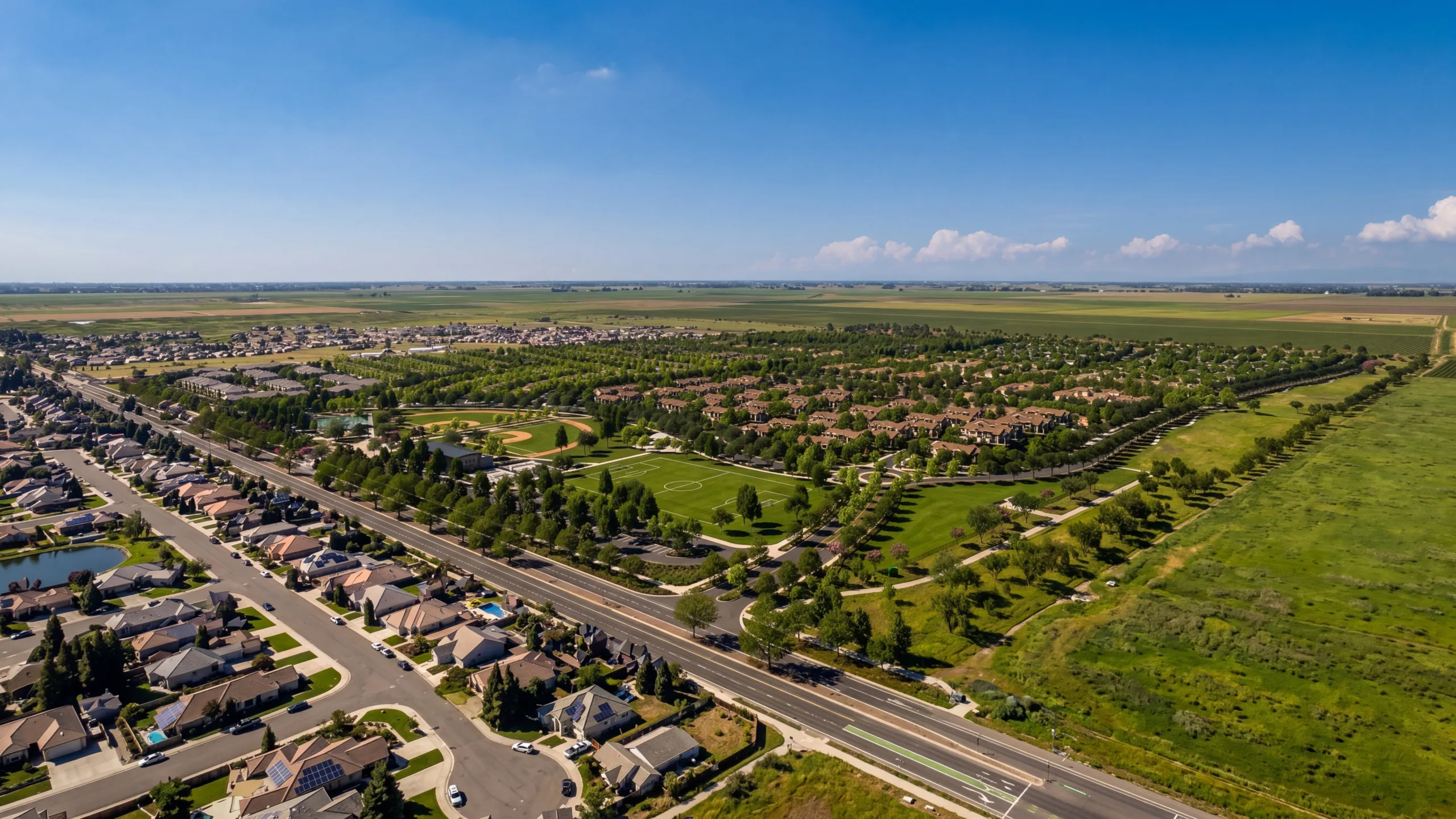
Davis voters will soon decide on Measure W, a ballot initiative proposing the 1,250-unit Willowgrove residential development on the city’s northeast boundary, featuring deed-restricted affordable housing, energy-efficient designs, and infrastructure improvements.

Op-ed | We Rent in Davis. We Want the Chance to Stay.

Davis resident Lilly Ottello supports Measure W and the Willowgrove housing project, asserting the proposed 1,250 units—encompassing townhomes, single-family homes, and deed-restricted affordable housing—are vital for establishing long-term residential opportunities for local families.

Measure W Campaign Remains Unusually Quiet as Supporters Argue Willowgrove Could Help Preserve Measure J/R/D

Measure W and the proposed Willowgrove development in Davis are encountering notably limited organized opposition, a significant departure from the historically contentious land-use campaigns that have characterized previous Measure J/R/D elections. Proponents argue that the measure’s approval is essential to demonstrate the viability of the city’s voter-approval system amidst increasing state housing mandates.

SB 1164 Could Give Davis a Path Back to At-Large Council Elections

Senate Bill 1164, currently awaiting gubernatorial signature from Governor Gavin Newsom, proposes substantial revisions to the California Voting Rights Act. This legislation could provide a mechanism for jurisdictions, including Davis, to transition from single-member district elections to alternative citywide electoral systems, such as proportional ranked-choice voting, particularly in contexts addressing minority vote dilution.

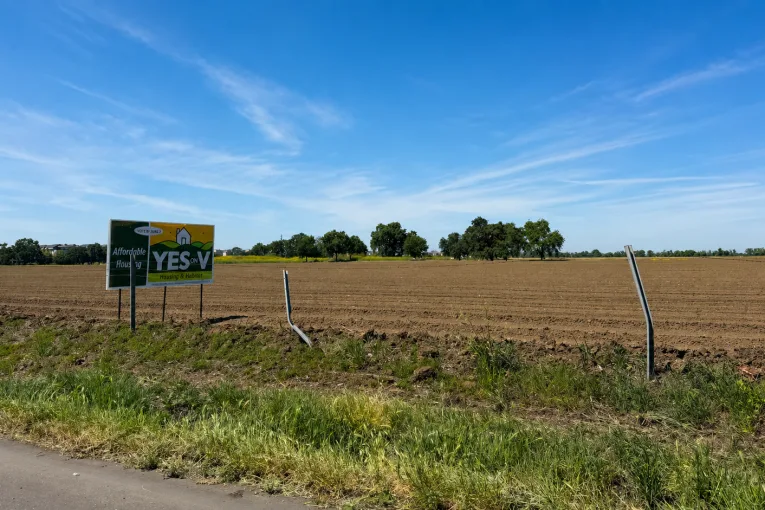
Davis Voters Appear to Reject Measure V, Blocking Village Farms Development

According to the latest unofficial results released by Yolo County, Measure V, a ballot initiative proposing the Village Farms development north of Covell Boulevard, appears to have been defeated. The measure, which sought to amend the city’s General Plan to allow up to 1,800 housing units on agricultural land, garnered 11,181 votes in favor against 11,451 opposed, resulting in a 270-vote deficit. This outcome, with a 1.2 percentage point gap, marks another defeat for a peripheral-growth housing proposal under Davis’ Measure J framework, despite being one of the closest such contests in the city’s history.