National Court Watch

Kings County Judge Orders Supervised Release after Prosecution Fails to Justify Bail

A Brooklyn judge in Kings County Criminal Court ordered supervised release for a 25-year-old man facing charges including assault and harassment, determining that prosecutors “did not meet the burden” of proof to justify bail. The ruling cited the absence of physical injury to any individual and the minimal value of alleged stolen goods as insufficient grounds for the requested bail.

Brooklyn Gun Charges Against Guest Reignite Racial Disparity Concerns

A 25-year-old Black woman faces multiple firearm and ammunition charges in Brooklyn following an arrest during a residence search where she was a guest. Her public defender asserts the accused was not named in the search warrant and was not present in the room where the weapons were allegedly discovered. The case highlights significant racial disparities in New York City gun possession enforcement, with Black residents accounting for 70% of arrests between 2014 and 2024, despite representing 20% of the city’s population, as reported by the New York Amsterdam News.

Santa Clara Judge Rejects Second Diversion Due to Previous Case Avoiding Conviction

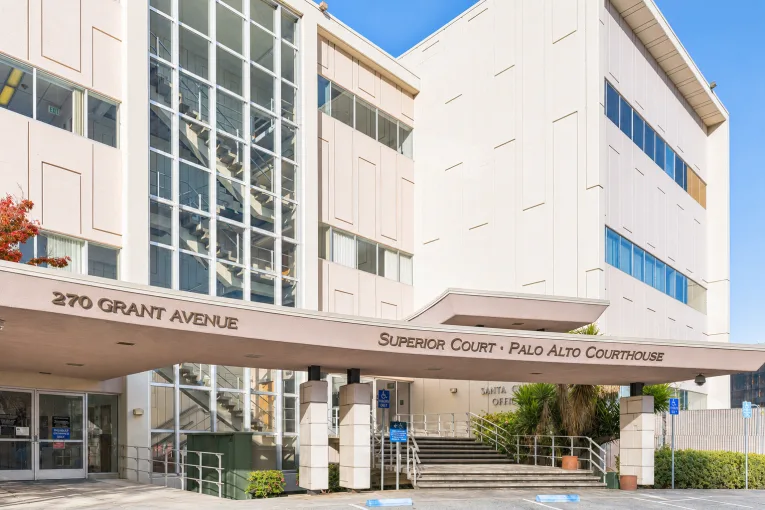
A Santa Clara County judge denied judicial diversion to an accused man facing a misdemeanor petty theft charge, following arguments from prosecutors who cited a prior diverted case. During an arraignment in Palo Alto Superior Court, Judge Karen Wynholds ruled in agreement with Deputy District Attorney Zachary Soled, declining diversion based partly on the accused’s previous petty theft diversion. The decision highlights an ongoing policy debate regarding the extent to which prior diversion cases should influence eligibility for future rehabilitative opportunities, particularly when diversion aims to prevent a criminal conviction.

Judge Calls Prosecution’s Dismissal ‘Perplexing’ after Year-Old Gun Case Collapses

A Kings County judge criticized prosecutors for their conduct in a year-old gun case, describing the proceedings as a ‘waste’ of court resources following their motion to dismiss charges against a 23-year-old Black man. The dismissal, which prosecutors attributed to insufficient evidence, occurred after surveillance footage showed the accused was not carrying a firearm at the time of the incident.

San Francisco Judge Refuses Felony Reduction Amid Conflicting Officer Testimony

A San Francisco Superior Court judge on July 14, 2026, denied a defense motion to reduce a felony resisting arrest charge to a misdemeanor, despite conflicting testimony from two police officers during a preliminary hearing. Judge John D. Echeverria rejected the Penal Code Section 17(b) motion in Department 20, where Officer Jessie Manalo and Officer Bianca Padilla presented differing accounts of the accused’s actions, including whether the accused swung at Officer Manalo during a takedown.

Colorado Judge Ousts DA’s Office over Discovery Violations, Trial Concerns

A Colorado judge has disqualified District Attorney Jeff Lindsey and the entire 11th Judicial District Attorney’s Office from an ongoing murder prosecution. The judicial action followed the court’s finding of an “egregious pattern of discovery violations and a lack of candor to the court,” leading to a determination that the accused could not receive a fair trial under the current prosecution. This decision also coincided with a reduction of first-degree murder charges in the case.

Brooklyn Judge Denies Release for Larcenist Despite Plea for Services

Kings County Criminal Court Judge Natalie Barros denied a woman facing 16 charges, including second-degree burglary and grand larceny, another opportunity for supervised release, citing a lack of confidence in her compliance and deeming her a flight risk. The decision followed prosecution arguments detailing the accused’s history of non-compliance, which included eight failures to appear and previous violations of supervised release conditions. Bail was subsequently set at $5,000 cash, a $15,000 insurance bond, and a $15,000 partially secured surety bond, despite Public Defender Kristen Eby’s contention that the accused’s Criminal Justice Agency Release Assessment score and potential access to critical services warranted reconsideration.

Brooklyn Judge Challenges Prosecutors on Grand Larceny Charge Aggregation

Kings County Judge Juan Abreu questioned prosecutors regarding the aggregation of three distinct larceny incidents to secure a grand larceny charge against a 42-year-old defendant. Defense attorney Nora Wallace contended that the District Attorney’s Office unlawfully combined the separate alleged thefts, a practice Judge Abreu indicated was permissible only under specific conditions not met in this case. Subsequently, the grand larceny charge was dropped, and the defendant was released on his own recognizance.

COURT WATCH: Accused Charged with Robbing Bar He Co-Owns, Then Barred from Entering It

An individual facing charges related to the alleged robbery and assault of a business partner at a jointly owned bar was arraigned in Queens Criminal Court. The accused was presented with six felony counts and one misdemeanor, including second-degree robbery causing physical injury, prompting defense counsel to question the legal premise of charging a co-owner with breaking into and robbing an establishment in which he holds an ownership interest.

Queens Judge Lifts $10,000 Bail Days after Setting It, Releasing Accused under Supervision Conditions

A Queens Criminal Court judge issued an order releasing an accused individual on nonmonetary conditions in a domestic violence case, thereby superseding a $10,000 cash bail previously imposed five days earlier. This judicial action occurred after the court ascertained the accused was concurrently subject to nonmonetary supervision in a distinct New York County Supreme Court proceeding.

Brooklyn Judge Denies Remote Rehab, Accused Ordered to Dual In-Person Attendance

A Brooklyn judge denied a defendant’s request for telephonic participation in a court-ordered rehabilitation program, thereby requiring in-person attendance for both the Brooklyn Justice Initiatives program and a separate regimen mandated by Manhattan courts. This decision potentially complicates the defendant’s ability to fulfill concurrent judicial obligations.