City of Davis

Davis 2050 Survey Shows Growing Support for Density, Mixed-Use Development and Thoughtful Growth

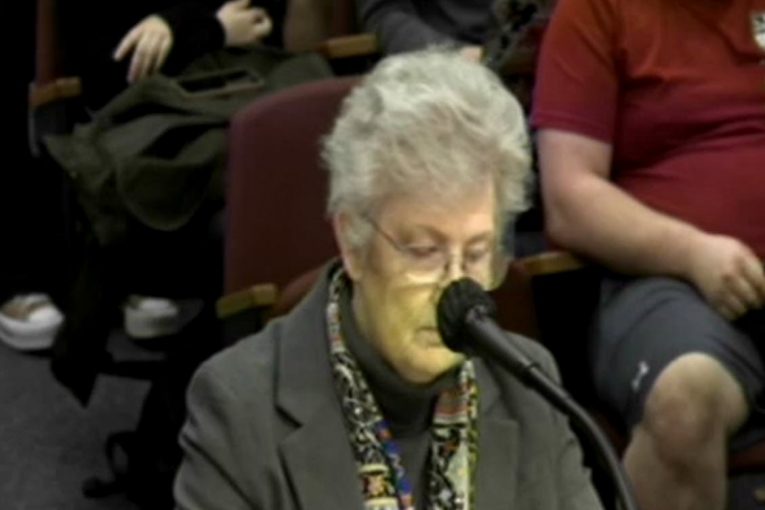
A community survey conducted as part of the Davis 2050 General Plan Update suggests that engaged residents demonstrate openness to increased housing density, mixed-use development, and carefully planned growth, a stance that diverges from historical land-use debates, while simultaneously emphasizing the preservation of neighborhood character, agricultural land, and open space.

Monday Morning Commentary | State Enforcement, Local Planning Signal California’s Housing Landscape Has Changed

The State of California has escalated its enforcement of housing statutes, filing lawsuits against five cities—Calexico, Costa Mesa, Half Moon Bay, Ridgecrest, and Turlock—for non-compliance with Housing Element mandates. This enforcement, alongside local planning adjustments such as Dixon’s environmental review for over 7,100 housing units, indicates a fundamental transformation in the state’s approach to its housing deficit.

Op-ed | Toward a Better Village Farms

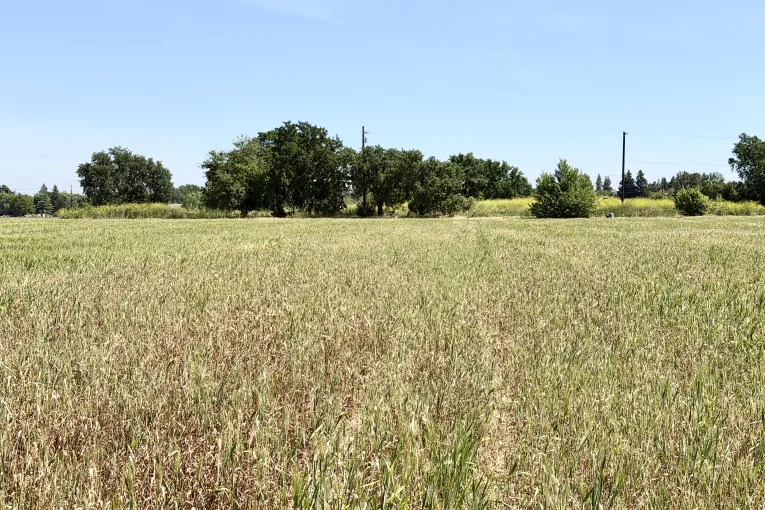
The defeat of Measure V, which sought to introduce 1,800 housing units, has prompted calls for the City of Davis to develop a more comprehensive project design for the Village Farms site. Advocates propose a framework that integrates transit-oriented development, diverse housing typologies, and pedestrian-friendly boulevards, aiming to address prior criticisms of the measure’s proposed urban planning.

PETA Demands Closure of UC Davis Primate Center after New Federal Violations

The People for the Ethical Treatment of Animals (PETA) renewed its call for the closure of the University of California, Davis, primate research center following recent federal animal welfare citations issued against the university, which included violations related to the escape of three mice, one of whom died, and the confinement of monkeys in undersized cages.

Opinion | Measure J – The Illusion of Democracy

Measure J, a local ordinance in Davis, permits voter determination on agricultural land conversion, a mechanism characterized by critics as procedurally democratic yet inherently exclusionary. This framework, which vests decisive authority in current residents, has been associated with a twenty-five-year period of inadequate housing production across all income categories, significantly affecting prospective residents and essential workers.

Letter: Equestrian Supporters Calls for Independent Review of Terminated Program

UC Davis’ decision to eliminate its NCAA Division I women’s equestrian program has drawn scrutiny, with requests for an independent review of the underlying financial and Title IX analyses prior to implementation. Critics cite concerns regarding transparency, governance, financial justification, student reliance interests, and potential Title IX implications.

Davis Pride Comedy Night Addresses LGBTQ+ Issues, Funds Advocacy Efforts

The third annual Davis Pride Comedy Night, scheduled for June 26, will allocate a portion of its proceeds to the Davis Phoenix Coalition, an organization supporting local LGBTQ+ initiatives. The event is set to feature drag performer and comedian Suzette Veneti as host, alongside headliner Scott Capurro and comedians Shannon Murphy and Marcus Williams. Organizers have indicated the program is intended for adult audiences, with an age restriction of 18 and older due to mature content.

Sunday Commentary | After Measure V, the Question Isn’t Whether Measure J Works — It’s Whether the State Will Continue to Allow It

The defeat of Measure V in Davis reaffirmed the structural impediments to peripheral housing development, despite the city’s acknowledged need for additional housing units. The Village Farms proposal, which included up to 1,800 housing units, was rejected by a margin of less than one percentage point, underscoring the enduring impact of Measure J, which mandates voter approval for such projects. This outcome intensifies scrutiny regarding the efficacy of local approval processes, particularly from entities such as the California Department of Housing and Community Development, which has previously identified Measure J as a potential constraint on housing production.