Land Use/Open Space

Davis 2050 Survey Shows Growing Support for Density, Mixed-Use Development and Thoughtful Growth

A community survey conducted as part of the Davis 2050 General Plan Update suggests that engaged residents demonstrate openness to increased housing density, mixed-use development, and carefully planned growth, a stance that diverges from historical land-use debates, while simultaneously emphasizing the preservation of neighborhood character, agricultural land, and open space.

Monday Morning Commentary | State Enforcement, Local Planning Signal California’s Housing Landscape Has Changed

The State of California has escalated its enforcement of housing statutes, filing lawsuits against five cities—Calexico, Costa Mesa, Half Moon Bay, Ridgecrest, and Turlock—for non-compliance with Housing Element mandates. This enforcement, alongside local planning adjustments such as Dixon’s environmental review for over 7,100 housing units, indicates a fundamental transformation in the state’s approach to its housing deficit.

Op-ed | Toward a Better Village Farms

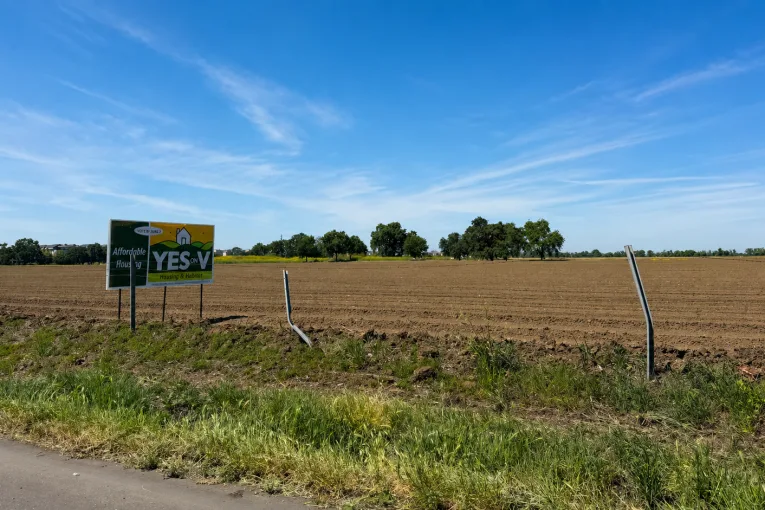
The defeat of Measure V, which sought to introduce 1,800 housing units, has prompted calls for the City of Davis to develop a more comprehensive project design for the Village Farms site. Advocates propose a framework that integrates transit-oriented development, diverse housing typologies, and pedestrian-friendly boulevards, aiming to address prior criticisms of the measure’s proposed urban planning.

Opinion | Measure J – The Illusion of Democracy

Measure J, a local ordinance in Davis, permits voter determination on agricultural land conversion, a mechanism characterized by critics as procedurally democratic yet inherently exclusionary. This framework, which vests decisive authority in current residents, has been associated with a twenty-five-year period of inadequate housing production across all income categories, significantly affecting prospective residents and essential workers.

Sunday Commentary | After Measure V, the Question Isn’t Whether Measure J Works — It’s Whether the State Will Continue to Allow It

The defeat of Measure V in Davis reaffirmed the structural impediments to peripheral housing development, despite the city’s acknowledged need for additional housing units. The Village Farms proposal, which included up to 1,800 housing units, was rejected by a margin of less than one percentage point, underscoring the enduring impact of Measure J, which mandates voter approval for such projects. This outcome intensifies scrutiny regarding the efficacy of local approval processes, particularly from entities such as the California Department of Housing and Community Development, which has previously identified Measure J as a potential constraint on housing production.

Monday Morning Commentary | Davis Says It’s for Everyone, but Its Housing Policies Tell a Different Story

Davis, California, a municipality frequently recognized for its progressive social justice and inclusionary values, confronts a significant contradiction within its housing sector. Despite its stated commitments, the city’s land-use policies have contributed to a housing market characterized by median home prices often exceeding $1 million and limited rental availability. This dynamic effectively restricts access for middle-class families and working-class residents, thereby challenging the practical application of its proclaimed ideals.