
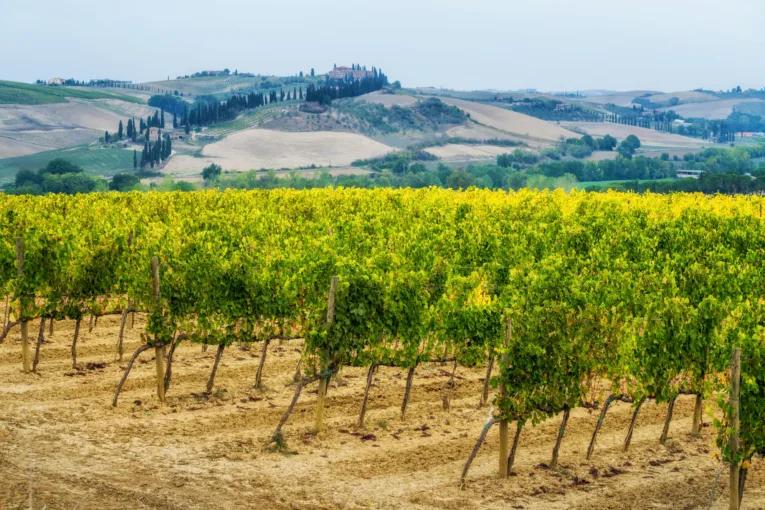
The wine industry is facing a structural decline, but Napa vineyards work to reshape a new era of winemaking
For several decades, the Napa Valley has established itself as the wine capital of the United States and one of the world’s greatest winemaking destinations. But following nearly four years of declining sales, some wineries are forced to close and reduce their vineyard acreage.
Some of the factors economists and wineries have found are a result of “a decline in alcohol consumption, changing consumer demographics, rising inflation pushing wine prices higher, an increase in anti-alcohol groups, tariff pressures and an influx of new beverage choices on the market, such as hard tea and THC-infused drinks,” according to Forbes. This is in addition to climate change and natural disasters such as frequent California wildfires and a backlog caused by the pandemic.
Congressman Mike Thompson, representative for California’s 4th Congressional District and co-founder of the Congressional Wine Caucus, attributes a large part of these economic challenges to the Trump administration’s “illegal tariffs.”
“From the federal perspective, this administration’s tariff policies and lack of emergency economic assistance post-disaster or economic downturn makes it extremely difficult for growers to plan ahead or to recover from setbacks,” Thompson said.
Trump’s tariffs and trade war with Canada, the wine industry’s largest export market and a former major customer of California’s wines, have put a halt on the once lucrative economy for California wineries.
Thompson has introduced several pieces of legislation — including the Specialty Crop & Wine Producer Tariff Relief Act — which he claims will provide the necessary financial support to “specialty crop growers and wine producers” during these economic hardships posed by these tariffs. His efforts start at the local, state and federal levels to protect the agricultural industry and its workers.
Hayden Corley, head of sales and third-generation farmer at his family-owned winery, Monticello Vineyards in Oak Knoll, California, describes this as the most difficult time to be in the wine industry. Monticello was founded in 1970 and has remained a family-run business since its inception. Corley attributes this decline to a multitude of factors and what he called “the perfect storm” of events that has landed the industry in a difficult position, particularly for grape growers.
Napa’s Wine Country relies heavily on wineries to boost tourism revenue — acting as a symbiotic relationship.
“For us, direct-to-consumer and visitation correlate very strongly with visitation in Napa Valley,” Corley said. “Fewer people are wanting to come out and spend money [so] fewer people are going to visit. […] We have to figure out how to navigate around visitation downturns or revenue downturns.”
Corley feels that as a family-owned business, they have to put in even more effort to ensure their winery stays “around for another 50 years.” With around 20 full-time employees, Monticello has had employees who have worked there for nearly 30 years. One of Monticello’s longest-serving employees, Angel, their vineyard manager, has been with the company since 1978.
Monticello values the work of every employee and considers the consequences this grape recession has on the growers and farmers out in the vineyards. Every decision they make affects the livelihoods of their workers, which Corley considers top of mind.
Grapegrowers are flexible and capable of recovering from the hardships of the wine crisis, Thompson said. This may require wineries to modify their operations as they head into the future.
“UC Davis recently held a full-day symposium to discuss bringing low- and no-alcohol wines to market,” Thompson said. “The specific blends and mixtures may change, as they always have, but our growers and vineyards are resilient, and I have full confidence that they will adapt with the changing generations to continue to provide high-quality drinks that people all over the world will seek out and enjoy.”
In their new approach to selling wine, Corley feels that each bottle they produce has a meaningful origin story. He wants to emphasize greater authenticity by highlighting their winery’s history and sharing the entire process from soil to bottle. Corley hopes to return wine to a more accessible era, moving away from what he feels is a “bougie” and “elitist image” that has come to define Napa’s wine culture.
As younger generations drink less overall or choose alternative beverages, his goal is to make wine something people feel connected to, including by making it more affordable. He believes that by showcasing the “emotion and memory captured in a bottle” and showing customers the vineyard grounds, they can grow their base of curious younger audiences.
The global wine industry may be in crisis, but Napa winegrowers are remaining optimistic that they will weather this storm.
“My dad and I are working every single day,” Corley said. “[…] We’re doing everything we can to make sure that we make it through, and I’m confident that we will.”
To comment please go to one of these social media platforms:
Facebook: https://www.facebook.com/DavisVanguard
LinkedIn: https://www.linkedin.com/company/peoples-vanguard-of-davis-inc/
Instagram: https://www.instagram.com/davisvanguard/
X: https://x.com/davisvanguard
Bluesky: https://bsky.app/profile/vanguardnewsgroup.bsky.social
Subscribe to the Vanguard News letters. To make a tax-deductible donation, please visit davisvanguard.org/donate or give directly through ActBlue. Your support will ensure that the vital work of the Vanguard continues.
