San Francisco Court Watch

Judge Hears Dispute over Expert Testimony as Prosecutor Questions Defense Witness with Expunged Record

In San Francisco Superior Court, Deputy District Attorney John Robles sought to challenge the credibility of Deputy Public Defender Tatiana Howard’s expert witness, Katherine O’Bryant, by introducing evidence related to an expunged 2006 criminal case, a development that occurred after a prosecution expert, Officer Smith, testified that 75% to 80% of those involved in drug dealing in the Tenderloin were Honduran.

SF Judge Denies Suppression Motion Despite Officer’s Contradictory Account

San Francisco Superior Court Judge John Echeverria denied a defense motion to suppress evidence, determining the prosecution had presented sufficient evidence to hold the accused to answer on a felony charge of possession of methamphetamine for sale. The ruling followed a preliminary hearing where the defense contended a lack of probable cause for the search.

Court Watch: Judge Delays Bail Decision in Fentanyl Case Despite Agreement Charges Are Nonviolent under Kowalczyk

A San Francisco judge deferred a ruling on new bail conditions for an individual accused of fentanyl possession, resulting in the accused’s continued custody for an additional week. The judicial postponement occurred as the judge required further review of the case, notwithstanding the consensus between both the prosecution and defense that the charges, now classified as nonviolent, warranted reconsideration under California Supreme Court precedent.

Judge Dismisses Drug Sale Charges at Preliminary Hearing, Citing Insufficient Evidence

During a preliminary hearing, Judge John Echeverria dismissed two felony drug sales charges, ruling that prosecutors failed to present sufficient evidence of intent to sell, despite the recovery of 77 grams of methamphetamine. The decision was influenced by the arresting officer’s testimony, who characterized the likelihood of the accused intending to sell the drugs as “50/50.” Judge Echeverria emphasized that even the lower evidentiary standard of probable cause for preliminary hearings requires more than mere possibility to hold an individual to answer for a crime.

Judge Orders Electronic Monitoring for Funeral Release Despite Defense Objections over Family’s Financial Burden

Judge Justine Cephus mandated an electronic ankle monitor as a condition for temporary release, allowing an accused individual to attend a great-grandmother’s funeral. The order followed prosecutorial concerns regarding the accused’s conduct, citing social media posts depicting an AR-style firearm. Defense counsel argued the requirement imposed a significant financial burden, noting the family would incur both installation and a full month’s subscription fee for a five-day release. Notwithstanding these objections, Judge Cephus maintained the electronic monitoring stipulation.

Judge Sets Further Hearing in Domestic Violence Case Despite Complaining Witness’s Request to Resolve Matter with Formal Apology

San Francisco Superior Court Judge Christopher Hu declined to dismiss a domestic violence case during a June 30 pretrial hearing, opting instead to schedule a subsequent court date despite the complaining witness’s stated willingness to accept an apology from the accused. Deputy District Attorney Samantha Zurcher requested further proceedings, asserting that prosecutorial decisions are typically independent of victim preferences, leading Judge Hu to grant the request while suggesting the defense file a motion to dismiss. The accused, charged with a misdemeanor for property damage, had reportedly paid for the damaged item and was participating in a voluntary domestic violence program.

SF Judge Restricts Unhoused Defendant’s Travel Amid Passport Dispute

During a San Francisco Superior Court hearing, defense counsel asserted an unhoused accused woman no longer possessed her passport following a theft. Conversely, the prosecution contended the document remained in her possession, citing recent international travel from the United Kingdom, and the court subsequently scheduled a future date for arraignment on felony charges.

Court Watch: Officer Confirms Miranda Violation during Firearm Arrest

During a June 30, 2026, hearing in Department 11 of the San Francisco Hall of Justice, Officer Jesus Perez acknowledged under questioning that the accused was not advised of Miranda rights prior to interrogation following the discovery of a firearm. Perez further confirmed the accused’s arrest occurred before the administration of Miranda warnings, despite charges for carrying a loaded firearm.

Judge Declines to Reduce Felony Charges against Trans March Protesters, Citing Need for More Evidence

A San Francisco Superior Court judge declined Thursday to reduce felony vandalism charges against two individuals accused of spray-painting security cameras during the Trans Pride Parade, notwithstanding defense arguments that the alleged acts constituted minor, temporary damage and that the charges were substantially overcharged. Defense counsel contended the alleged conduct did not meet the $400 threshold for felony vandalism as defined by California Penal Code Section 594, asserting the cost of repair or cleaning would be less than the statutory requirement.

San Francisco Jury Hangs on Felony Charges in Golden Gate Bridge Protest Trial

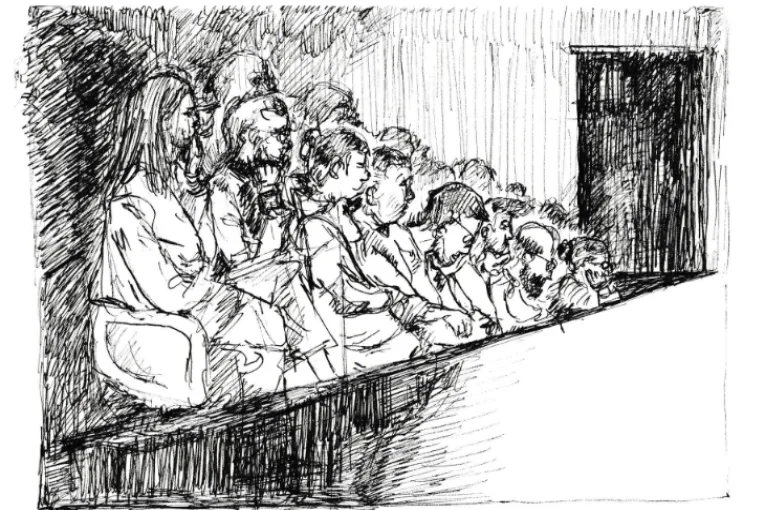
A San Francisco jury was unable to reach a unanimous verdict on felony conspiracy charges and one misdemeanor trespassing charge against seven individuals accused of obstructing traffic on the Golden Gate Bridge during an April 15, 2024, demonstration protesting U.S. support for Israel’s military campaign in Gaza. However, the defendants were convicted on several lesser misdemeanor offenses, including false imprisonment, obstruction of a thoroughfare, and unlawful assembly.

Jury Acquits San Francisco Man of Felony Assault after Wallet Theft Investigation Falls Short, Public Defender Says

A San Francisco jury acquitted Tony Befford of a felony assault charge, finding he acted in self-defense. The verdict, announced by the San Francisco Public Defender’s Office, highlighted what defense attorneys describe as a pattern of prosecutorial overcharging, resulting in unnecessary incarceration and the inefficient allocation of public resources.

Judge Rejects Defense Attempt to Impeach Witness during San Francisco Trial

San Francisco Superior Court Judge Kenneth Wine sustained a relevance objection from Assistant District Attorney Elizabeth Jimenez during a June 23 trial, preventing Public Defender Bonnie Chang-Silen from pursuing a critical line of questioning during Officer Artiga’s cross-examination. The defense had argued this line of inquiry was essential for establishing the foundation of the case.

Court Watch: SF Judge’s Interpretation of Receiving Stolen Property Charge Raises Concerns about Potential Overcharging

During a pretrial hearing, Judge John Echeverria adopted an interpretation of California’s receiving stolen property law, concluding the offense does not necessarily require property to change hands between two people. The ruling conflicted with arguments from Deputy Public Defender Latisha McCray, who contended such an interpretation could lead to overcharging the accused, currently facing charges of vehicle theft, evading police, running a red light, and receiving stolen property.

Judge’s Detention Order Jeopardizes Accused’s Housing, Addiction Treatment

San Francisco Superior Court Judge Matthew S. Khan issued a custody hold order for an accused individual, overriding defense arguments that the detention would result in the loss of housing, addiction treatment, and other essential support services. The ruling has prompted discussions regarding the collateral consequences of pretrial detention.

COURT WATCH: Late Discovery Proceeds during Jury Selection, Despite Sanctions and Orders from Judge

Judge Michael Begert authorized defense attorneys to litigate allegations of persistent late discovery by prosecutors directly before the jury in a San Francisco criminal trial. Public Defender Jared Rudolph had renewed a motion for additional sanctions, asserting that Assistant District Attorney Rachael McDaniels provided further vital evidence on June 18, subsequent to a prior court order imposing sanctions for similar discovery violations. Rudolph contended that the continued noncompliance, involving information from investigations over two years old, indicated a systemic issue within the District Attorney’s Office.