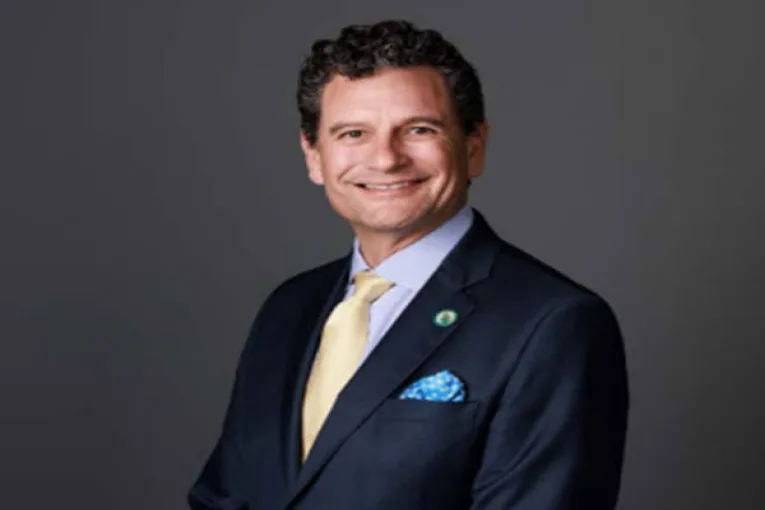
Remarks on the State of Public Defense – by LA’s Public Defender
By Ricardo Garcia Editor’s note: the following are the comments delivered by Ricardo Garcia at the ARC…

By Ricardo Garcia Editor’s note: the following are the comments delivered by Ricardo Garcia at the ARC…
SAN FRANCISCO, CA- Increasing the funding for public defenders offices across the country would provide needed resources…

By David M. Greenwald Executive Editor Los Angeles, CA – While most counties have ended zero bail…
Four out of five criminal defendants can’t afford a lawyer, but in many places, the system promised…

By Diana Becton, John Creuzot and Miriam Aroni Krinsky Most Americans rightly focus on important decisions made…

By Hannah Blome CALIFORNIA – California community members and judicial laborers led a virtual discussion last Friday…
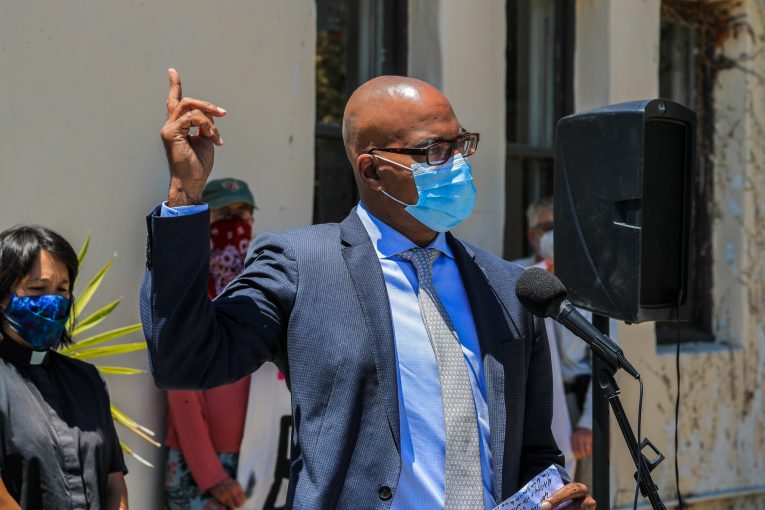
In February of 2019, longtime legendary public defender Jeff Adachi died. Taking over the position as the…

by Rory Fleming There has been a spate, in recent years, of public defenders speaking out against…
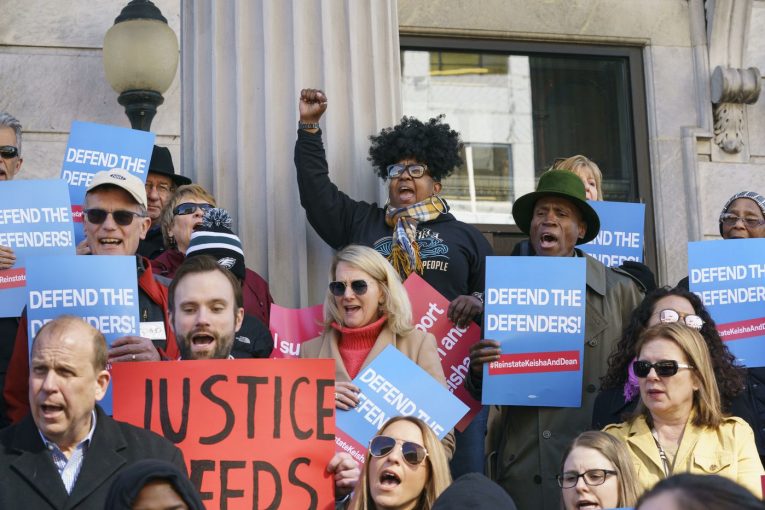
Montgomery County Chief Public Defender Dean Beer and Deputy Chief Keisha Hudson were fired last month for…
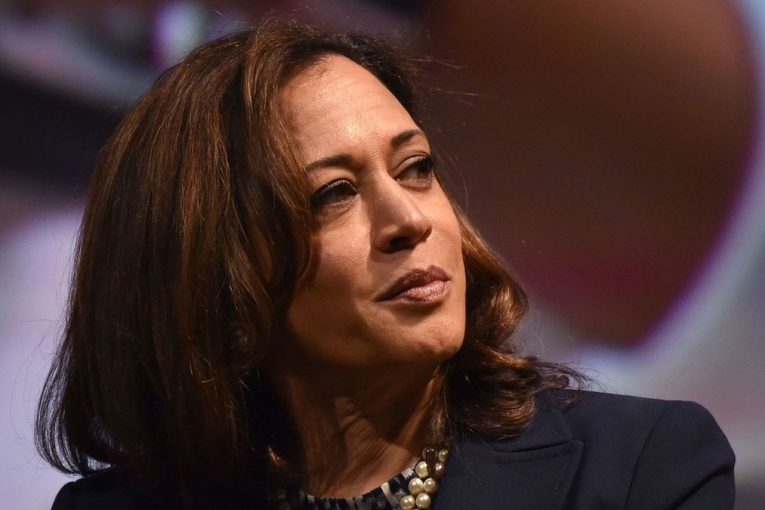
By Kamala Harris As a former prosecutor and attorney general of California, I saw our legal system…
