
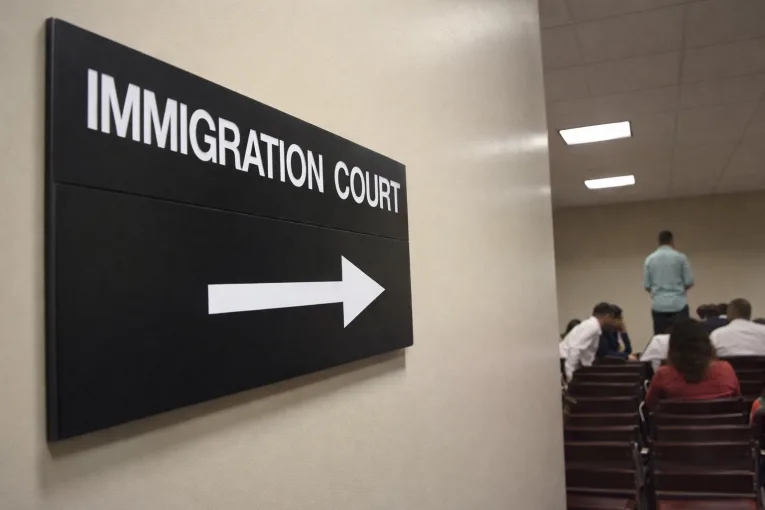
WASHINGTON — The Department of Homeland Security implemented a new rule Oct. 14 reducing the time refugees have to respond to proposed termination of their refugee status from 30 days to 10 days, raising concerns among immigration advocates about due process protections and the ability of refugees to challenge decisions that could lead to deportation.
The interim final rule, published in the Federal Register and effective immediately, eliminates the previous 30-day response period for refugees who receive a Notice of Intent to Terminate.
Under the rule, refugees generally have 10 days to respond, with an additional three days allowed when notices are delivered by mail. Those who fail to respond within the required period risk having their refugee status terminated without further input.
DHS said the change is intended to address potential national security risks involving refugees who may have been admitted without complete or accurate vetting.
According to the department, changes made during the Biden administration reduced certain case review requirements to increase processing efficiency. DHS maintains that those changes allowed officers to conduct more interviews each day while reducing their ability to thoroughly vet refugees before admission.
The department said shortening the response period will allow the government to finalize termination decisions more quickly when individuals fail to respond to proposed termination notices.
DHS implemented the rule without the usual advance public notice and comment period, invoking the Administrative Procedure Act’s good-cause exception.
The department argued that delaying implementation would be contrary to the public interest. Although the rule is already in effect, DHS is accepting public comments through Nov. 13.
DHS maintains that the shortened response period preserves adequate procedural safeguards because refugees still have an opportunity to respond before a termination decision becomes final.
However, the consequences of termination can be significant. Refugees whose status is terminated may lose employment authorization based on that status and face removal proceedings. The rule also states that USCIS termination decisions are not subject to administrative appeal, although individuals may seek applicable protections or relief during removal proceedings.
According to the Times Union, the policy particularly affects refugees who have not obtained lawful permanent residency.
DHS identified approximately 186,000 refugees admitted between fiscal years 2015 and 2025 who had not adjusted to permanent resident status. The figure represents a potentially affected population, rather than the number of refugees currently facing termination.
Approximately 30,000 of those refugees arrived in New York, according to the Times Union.
U.S. Citizenship and Immigration Services processes applications from refugees seeking lawful permanent residency, but growing backlogs have left many waiting for decisions.
The Times Union reported that pending permanent residency applications increased by 190% between the second quarters of fiscal years 2025 and 2026.
The delays have raised concerns among refugee assistance organizations, including Refugee and Immigrant Support Services of Emmaus, an Albany-based organization that helps refugees navigate the resettlement and immigration process.
An unidentified representative of the organization told the Times Union that delays in obtaining permanent residency leave refugees vulnerable to changes in immigration enforcement policies.
“It’s always important to get those in as quickly as possible,” the representative said. “There are all these refugees nationwide who still haven’t received their green cards. In Albany, we have submitted the applications for all of them, but it’s a real vulnerability.”
National immigration advocates have also criticized the policy, arguing that the shorter deadline makes it more difficult for refugees to obtain legal representation, gather documentation and challenge allegations against them.
Laurie Ball Cooper, vice president of U.S. legal programs at the International Refugee Assistance Project, described the policy as “an effort to strip lawfully present, lawfully admitted refugees of their status and deport them to persecution or worse.”
Cooper also warned that the 10-day deadline could prevent refugees from understanding the allegations against them and securing legal assistance.
“Now, it will be impossible for refugees to even fully understand the allegations against them, much less find counsel and contest those allegations, before their status is terminated,” Cooper said. “Threatening the safety and stability of our refugee neighbors is an attack on the constitutional rights of every American.”
To comment please go to one of these social media platforms:
Facebook: https://www.facebook.com/DavisVanguard
LinkedIn: https://www.linkedin.com/company/peoples-vanguard-of-davis-inc/
Instagram: https://www.instagram.com/davisvanguard/
X: https://x.com/davisvanguard
Bluesky: https://bsky.app/profile/vanguardnewsgroup.bsky.social
Subscribe to the Vanguard News letters. To make a tax-deductible donation, please visit davisvanguard.org/donate or give directly through ActBlue. Your support will ensure that the vital work of the Vanguard continues.
