

Money and the Courts
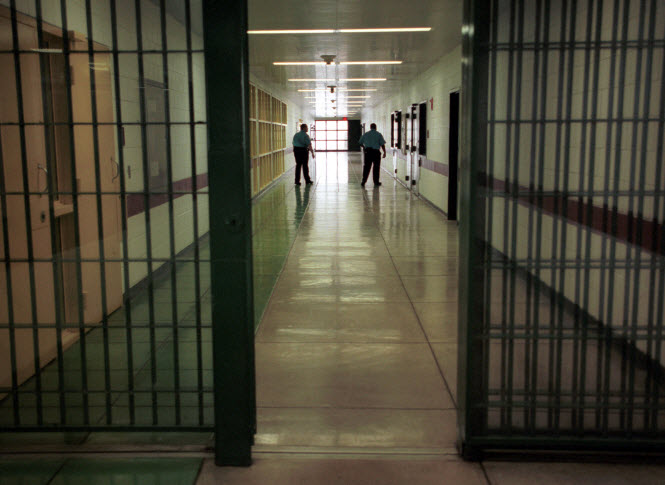
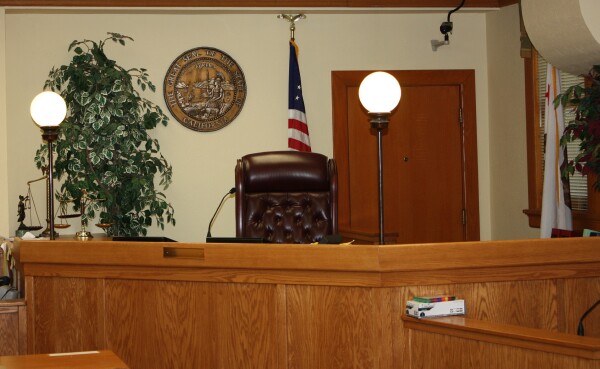 Two weeks ago, the Board of Supervisors heard about the current budget problems and spoke of closing down the the Leinberger Memorial Detention Center. In the last three years, the Yolo County Sheriff’s Department has cut forty-two positions, through layoffs and declining to rehire vacant positions.
Most devastatingly, early this year, ten deputies were laid off. There is a good amount of research emerging about how costs can be contained within the system. Some ideas that have come out have been to reduce sentences for drug offenses, shift the death penalty convictions to life without parole, and move inmates from state prison to county jails.
 As Yolo County continues to prosecute and imprison individuals for possession of less than a gram of meth, polling released on Monday shows that voters increasingly are favoring reduced sentences and penalties for drug possession.
 Earlier this week, Governor Jerry Brown signed a bill that will send thousands of state prisoners to local jails. The idea behind the plan was to reform the criminal justice system and save money.
 by Ali Bollbach –
  By Judy Kerr –
  Evidence At Trial Shows Neither a Clear Criminal Street Gang nor a Nuisance in West Sacramento –
  Pedro Ramirez and Johnny Morales were scheduled to be sentenced on Friday in Woodland, after pleading no contest to an attack on a Sikh tax driver and making racial slurs during the attack.
 Judge Stephen Mock said in his thirty years on the bench and working in the criminal justice system, he had never seen a situation like this. However, when West Sacramento Detective Tate had to rush to Florida for a family emergency, the Judge declared a mistrial in the case of Oscar Barrientos, accused of burglarizing a West Sacramento home.
 On Tuesday, Yolo County Superior Court Judge Kathleen White issued her long-awaited ruling on whether to grant a “permanent” gang injunction. The trial had lasted from July until December 15, and we have been waiting over three months for a ruling.
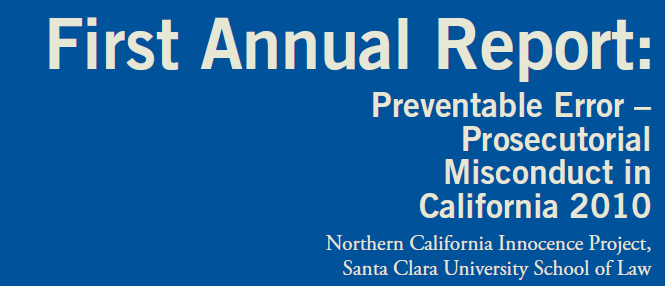 The Veritas Initiative, the research and policy arm of the Northern California Innocence Project (NCIP) at Santa Clara University School of Law, today released Preventable Error: Prosecutorial Misconduct in California 2010, which follows up on last October’s Presentation.
 Much has been made on these pages about the fact that the DA has a tendency to bring some rather problematic cases to trial. For the most part the DA loses these cases, but they exact a toll nonetheless, as we saw in the case of Fernando Ortega who faced criminal charges stemming from what was largely explicable, by the fact he was carrying a truck battery and had a number of tools on him at the time he encountered Woodland Police.