
Measles-Like Outbreak in ‘Lawbreaking’ UC Davis Lab Kills 3, Sickens 51
By Crescenzo Vellucci Vanguard Sacramento Bureau DAVIS – Measles – the focus of large and loud protests…

By Crescenzo Vellucci Vanguard Sacramento Bureau DAVIS – Measles – the focus of large and loud protests…

(From Press Release) – The University of California at Davis – which recently paid a significant federal…
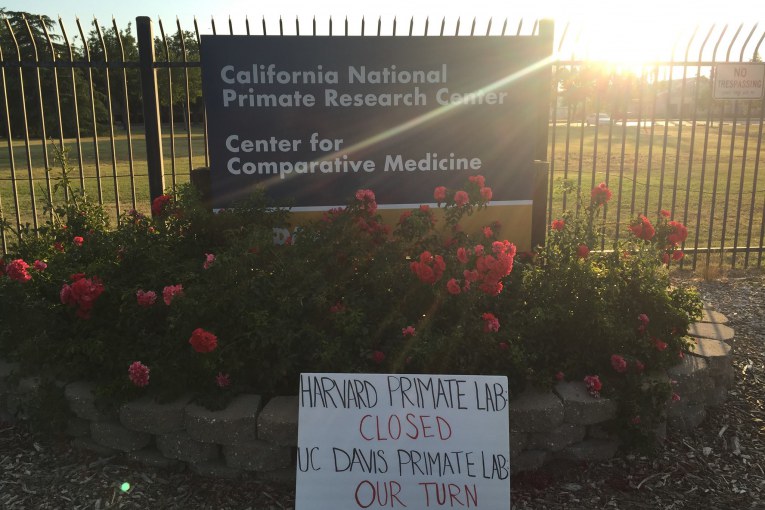
by Caroline Hagan Webb I am writing in response to the recent articles in the Sacramento Bee,…

By Leanna Sweha Last week, UC President Janet Napolitano and UC Davis Chancellor Linda Katehi joined the…
by UC Davis News Service The University of California, Davis, ranks No. 1 in the world for…

Mike Fitch in his book on Davis, Growing Pains, describes Mace Ranch as “a disturbing challenge.” He…

Last week’s column by UC Davis Chancellor Linda Katehi presented us with a view of what has…

One of the driving forces behind the city’s need for an innovation park is the concept known…

UC Davis, through its World Food Center, and Mars, Inc. (the candy manufacturer) announced on Wednesday that…

On Tuesday at the Davis Chamber’s lunch, the presence of UC Davis Chancellor Linda Katehi may have…
Last month, a jury awarded former UC Davis Health Systems employee Janet Keyzer $730,000 after she sued…

By Dan Carson As the newly constituted City Council returns soon from its summer break and begins…
UC Davis Ramps Up New Commercial Venture Formation With 14 Technology Startups In Past Year The University…
In a case that has been ongoing since 2007, a jury late Monday finally ruled in a…
Late last week, Chancellor Linda Katehi announced that Steve Currall, Dean of the Graduate School of Management…
Chancellor Announces Advisory Group, No Decision Made on WFC – UC Davis, less than a week after…
A few weeks ago the buzz starting to leak out was that the World Food Center was…
 by UC Davis News Service
Mr. Beachy, internationally known for his scientific leadership and groundbreaking research related to disease-resistance in crops, will assume the new position Jan. 1.
 by UC Davis News Service
The 400 largest companies headquartered in California, representing almost $3 trillion in shareholder value, still resemble a “boys’ club” with women filling fewer than 10 percent of top executive jobs, a University of California, Davis, study has found.
The Graduate School of Management’s eighth annual UC Davis Study of California Women Business Leaders — a yearly benchmark for the Golden State’s lack of progress in promoting women business leaders — paints a dismal picture for women in leadership during fiscal year 2011-2012. Some of the best known among these top companies, or the California 400, have no women leaders.
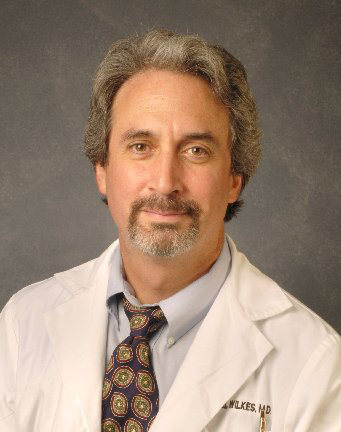 C Davis Investigates “Egregious Academic Freedom Violation”
On June 8, the UC Davis Academic Senate unanimously criticized several UC Davis Administrators for curtailing the right “of academic freedom of Professor Michael Wilkes and all other faculty to publish scholarly articles and professional expert commentaries that address ethics and societally relevant critiques” and expressed “severe disapproval of the notion that the University of California may take legal action against professors whose scholarly publications or professional expert commentaries may be perceived by University administrators to be injurious to University interests.”
They called upon Medical School Dean Claire Pomeroy, Executive Associate Dean Frederick Meyer, and Campus Health System Counselor David Levine to “promptly and publicly take responsibility for serious errors in judgment,” write individual letters of apology, and “rescind all disciplinary actions that have been stated, proposed, or taken against Professor Wilkes.”