
Publisher: David Greenwald | Managing Editor: Ghostwrite Mike
Production Manager: Kristine Guillaume
Agency | Freedom | Activism | Journalism | Civic Engagement | Normalization
Democratizing free speech by centering the anonymized and uncensored testimony of justice-impacted citizen witnesses of the carceral state, enabling the autonomous stakeholder curation of an accurate historical record of mass incarceration.

Watch the Justice for Everybody | Inside Knowledge video trailer produced by the Carceral Studies Journalism Guild at Valley State Prison.
The incarcerated content creators and carceral literacy activists Ghostwrite Mike and The Mundo Press, the co-creators of the trauma-informed Barz Behind Bars (B3) Creative Writing Spoken Word Performing Arts Workshop @barzbehindbars_ deployed at eleven adult prisons in California, are each recipients of the 2024 Vanguard Carceral Journalism Guild Fellowship. As VCJG fellows, Ghost and Mundo jointly produce from confinement the carceral news column Witness for the Los Angeles Vanguard’s Social Justice Bureau housed at UCLA, and are the producers of Inner Views, a virtual interview format that engages with artists, authors, academics, historians, and thought leaders to examine the intersection of the arts, culture, media, academia, politics, generational trauma, and the exercise of state power through the lens of equity and justice in order to deliver stimulating and uncensored conversations to the nation’s carceral state residents for their digital consumption via handheld tablet devices. Check out our collaboration announcement here.

The Mundo Press reports from CTF-North, where he is developing a chapter of the CSJG community. Read and follow The Mundo Press’ work here. You can reach him at witness@davisvanguard.org.
Ghostwrite Mike serves on the Board of Directors of the nonprofit Radical Reversal. Read and follow his work here. Listen to his appearance on the Everyday Injustice podcast here. You can reach him at ghostinsideknowledge@gmail.com.

Witness | VCJG CONTRIBUTORS
Carmella “Good” Mose | Torrey “Skrybe” Thomas | Jasper Stallings | Nolan “Goon” Buchanan | Steven Sunny | Talen Barton | Matthew Fletcher | Guy Erb | Elijah Gonzales | Juan Ortega | Leny P. Galafate | Michael Gonzalez | Eric Lively | Clarence Kilber | Sean Mooney | The Mundo Press
Logan Swank | Adanna Ibe | A. Belant | Louis “Last Jedi Left” Baca | Crystal St. Mary | J. S. Lake | Gabriel Reynoso | Jake Clark | Stewart Skuba | Richard Cooper | Matthew J. Danae | Jennifer Fletcher | Dominick J. Porter | Michael Alexander Bryant | Ghostwrite Mike
The ever-expanding VCJG community of journalists is comprised of incarcerated college students and graduates residing in different adult correctional facilities throughout America’s carceral state who negotiate a varied array of institutionalized censorship measures, contend with dynamic and evolving security concerns that impact their physical safety, and employ a ‘by any means necessary’ ethos in the documentation and conveyance of their work. Be they armed with a DOC-issued tablet device providing photo/video-enabled media attachments, a Canvas-shelled laptop with EBSCO and JSTOR database query capability – or none of these – we honor the stakeholder perspective and devote this Witness platform to the pursuit and normalization of the civic engagement due unto all persons surviving confinement and resisting the civil death prisons were designed to deliver.
The VCJG ascribes to and abides by the Society of Professional Journalists’ (SPJ) Code of Ethics (SPJ.org) in its practice to SEEK TRUTH AND REPORT IT, MINIMIZE HARM, ACT INDEPENDENTLY, and BE ACCOUNTABLE AND TRANSPARENT in the pursuit of responsible news making.
“Journalism is printing what someone else does not want printed: everything else is public relations.” – George Orwell.

Justice for Everybody and Carceral Studies Journalism Guild Host Inside Knowledge Journalism Symposium at Valley State Prison
Justice for Everybody (JFE) at the Yale Institute on Incarceration and Public Safety hosted a journalism symposium at Valley State Prison (VSP) on July 9. Produced by the resident-founded Carceral Studies Journalism Guild (CSJG), the Inside Knowledge Symposium garnered 170 participants, featured a multimedia journalism workshop co-produced by resident journalists, and marked a media first for the Central Valley facility. The event was supported by Justice for Everybody (JFE) at the Yale Institute on Incarceration & Public Safety and the Harvard-Yale Institute on Policing, Incarceration, and Public Safety (IPIPS). Led by Elizabeth Hinton—Professor of History, Black Studies, and Law at Yale University, Founding Director of JFE and Founding Co-Director of IPIPS—a team of faculty and graduate students traveled to VSP to co-run the workshop with CSJG journalists. The symposium consisted of three parts: morning presentations by resident speakers affiliated with the CSJG about the transformative impacts of journalistic work, literacy, and education; a BBQ lunch catered by Mac’Nificent Cuisine; and afternoon journalism and creative writing workshops, including a performance presentation by two-time American Book Award-winning poet Randall Horton. One of the afternoon sessions was a live-action multimedia journalism workshop called “My Teachable Moment” — a first-person nonfiction narrative documentary format of testimonials from residents directed by CSJG journalist Dominick J. Porter and produced by CSJG founder Ghostwrite Mike.
Thank you for the community support and participation from the ARC / H.A.R.T. Team, All of Us Or None, Legal Services for Prisoners with Children, Redemption Road K9, Radical Reversal, Caits Meissner, and Austin Alexander in the symposium’s events and journalism and creative writing workshops. Thank you to Vanessa Díaz and Dennis Marciuska, the JFE’s film crew, for capturing these events on camera.
YIIPS and CDLP Teams Visit CSJG Members at California Correctional Women’s Facility


In October, YIIPS’s founder Elizabeth Hinton, accompanied by Executive Director Yaseen Eldik, and the CDLP’s Director Elizabeth Ross, and Case Developer Elsa Lora, along with All of Us or None‘s Tanisha Cannon, who serves as the Managing Director of Legal Services for Prisoners with Children, traveled to California to organize in-community with CSJG members Jennifer Fletcher, Crystal St. Mary, Adanna Ibe, and Leny P. Galafate housed at CCWF, the state’s largest women’s prison. This roundtable engagement, which centered the CCWF cohort’s unique lived experience and invited stakeholder residents of the carceral state to collaboratively strategize the digital deployment of the CDLP’s forthcoming Racial Justice Toolkit, was facilitated by CCWF’s Lieutenant Monique Williams, with logistical assistance provided by ARC/H.A.R.T member Lynn Acosta. You can read more about the visit through Jennifer Fletcher’s reflections on the event and the importance of uncensored carceral journalism here.
Learn more about CSJG member Jennifer Fletcher’s debate team experience as a student at CSU Fresno by watching the video below.
CSJG Members Participate in Common’s Rebirth of Sound Music Studio Program at Valley State Prison
Earlier this summer, members of the Carceral Studies Journalism Guild (CSJG) participated in Rebirth of Sound, a healing-centered music production program founded by Oscar, Emmy, and Grammy-winning artist Common. Rebirth of Sound first launched in 2019 at Stateville Correctional Center in Illinois in and has since expanded to Valley State Prison as of summer 2025.
CSJG founder Ghostwrite Mike wrote a three-part series of reflections on Rebirth of Sound, describing how the program’s participants learn how to produce, capture, and edit sound using DAWs like FL Studio, Ableton, and Pro Tools and spend 12 weeks “learning and working towards developing capstone projects that showcase individual and collaborative creatives spanning various forms of art.” Read his first reflection on the program’s long-awaited expansion at VSP here.
You can learn more about the program and listen to CSJG members reflecting on their projects and the impact of Rebirth of Sound at the video below.

IPIPS | Harvard’s Hip Hop Archive attendees express support for VCJG
At the In Memory of Malcolm X: A Symposium at Sixty Years event held at Harvard University’s Hip Hop Archive, UCLA’s Adam F. Bradley, who has been dubbed “The Professor of Hip Hop,” (author of Book of Rhymes, The Anthology of Rap, the national bestseller It’ll All Make Sense – a memoir he wrote for the actor/rapper Common and founder of the RAP Lab), along with the triple-threat film, television, and stage actor Andre Holland (The Knick, Moonlight, 42, Castle Rock, and Othello), stood with Yale’s Elizabeth Hinton to express support for the VCJG community’s work to resist censorship and democratize free speech. Bradley told cameras “Barz Behind Bars, I got you,” and Holland, who is now attending Harvard, referred to those who stand for count as a “precious community.” IPIPS will produce multiple Inside Knowledge events on the ground at Valley State Prison in 2025 (April 14-15, and July 9), in association with Radical Reversal and Barz Behind Bars that will screen films, travel scholars/artists into the carceral setting, stage creative arts symposiums, and convene in-circle engagements with stakeholders participating in college, mentorship, journalism, and creative arts programs on the inside.
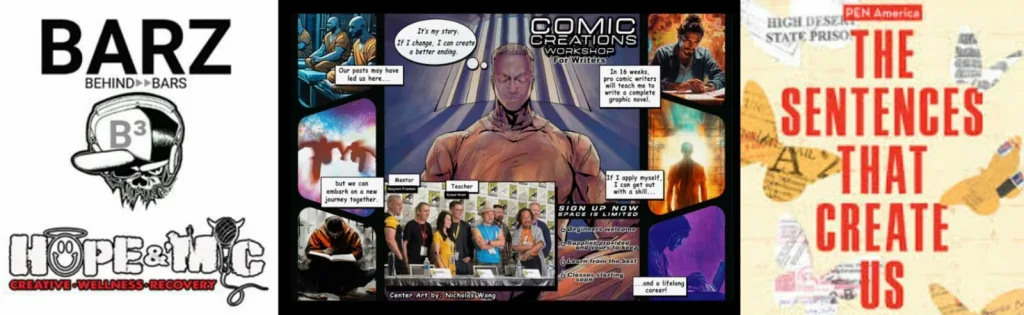
The VCJG community relies upon a trifecta of nontraditional pedagogical writing modalities which harness the innate storytelling capacity that resides within every resident of the carceral state and exercise the research, sourcing, interview, commentary, and investigative skills that translate the observations and perspectives of those surviving a most uniquely lived experience of confinement, marginalization, and circumscribed civic engagement. The Barz Behind Bars | Hope & Mic creative writing workshop (authored by Ghostwrite Mike, The Mundo Press, & Austin Alexander), Comic Creations Workshop for Writers graphic novel program (authored by Rylend Grant), and PEN America’s The Sentences That Create Us writing guide (edited by Caits Meissner), train our national guild members in the diverse approaches to and methods of writing that foster dynamic reporting and enable quality journalism to emerge across varied levels of institutional volatility and transcend the many challenging landscapes of security designed to prevent the democratization of uncensored speech.
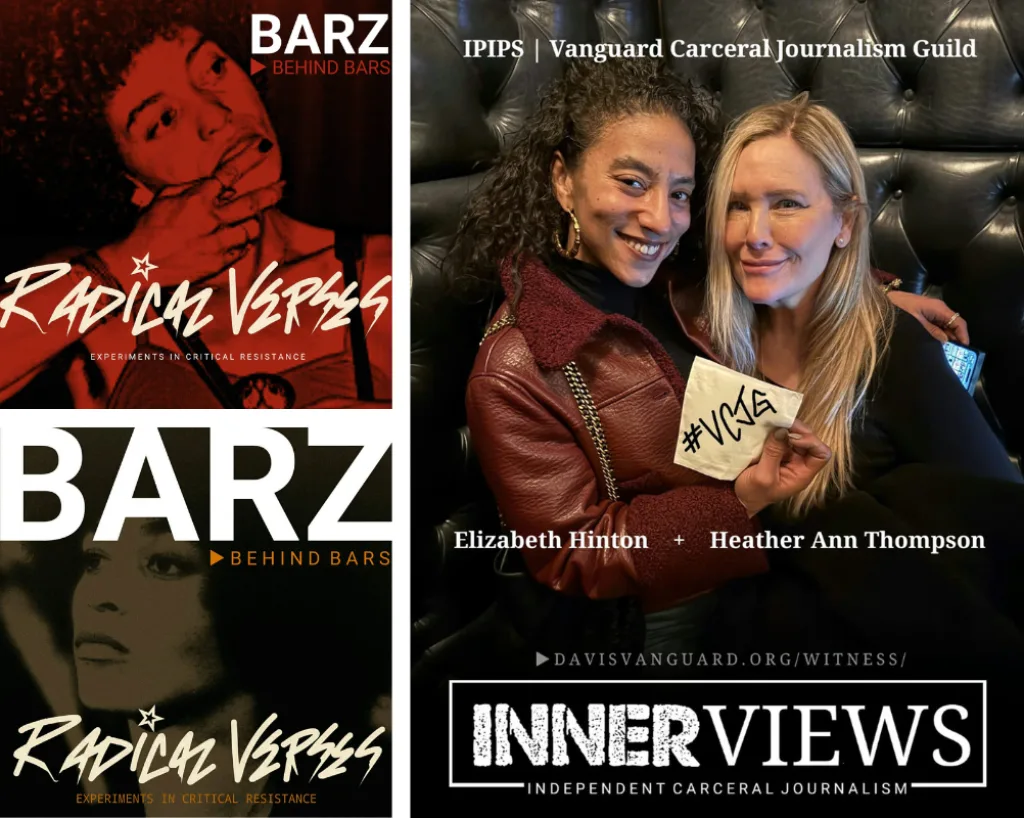
Radical Verses is an IPIPS | VCJG carceral poetry creative arts project that partners with Barz Behind Bars to honor the life of Angela Davis and the abolitionist work of Critical Resistance by braiding rare photos of one of humanity’s most iconic justice warriors with the revolutionary prose of carceral state residents and justice-impacted artists recorded live to form a visual coffee table book, audio book, spoken word music composition, and documentary film properties curated for digital consumption by the more than 700k folks living in confinement within the United States with access to a digital tablet device. (Photos courtesy of: Papers of Angela Y. Davis, Schlesinger Library, Radcliffe Institute at Harvard University; Concept/Digital design: Ghostwrite Mike & Kamakazi Mergatroyd for Barz Behind Bars)
Our carceral journalism community owes its viability to the collaborative support and resources first made available to VCJG members by having the use of the rare and otherwise unavailable literature living within the Freedom Library – an assemblage of 18 micro-libraries offering more than 9,000 curated works of marginalized poetry and historical nonfiction valued at nearly $240,000.00 to Valley State Prison’s population of more than 3,000 adults – personally installed by American Book Award-winning poet, lawyer, and literacy activist Reginald Dwayne Betts. Engaging with these works via the Barz Behind Bars literacy workshop within the Art of Recovery and Therapy (ART) leisure time activity group forum has proven foundational to the formation and development of the vibrant and ever-expanding college student writing community that has climbed the ladder from poetry, and historical nonfiction, to the pedagogy of writing critically, owing to the mentor assistance and advocacy of UCLA RAP Lab, PEN America, Radical Reversal, and our incredible array of diversely experienced VCJG mentors. Thank you for leaning into our community and arming us with the tools that have allowed us to graduate over 3,000 Barz workshop participants, waitlist more than 700 residents perpetually, and form the largest public-facing carceral journalism program in America that stretches from California’s Fresno State University cohort, to Connecticut’s Yale Prison Education Initiative cohort. Please watch our multimedia expression of gratitude to Dwayne, Freedom Reads, and the Mellon Foundation’s Imagining Freedom initiative HERE.
To those who stand for the democratization of free speech, speak in support of our right to engage in civil discourse, and leverage their platforms in service of carceral journalism, we salute you. #VCJG
Projects

The Carceral Studies Journalism Guild (CSJG) is a confined consortium of thinkers, creators, and organizers who critically deconstruct and interrogate the carceral state using a constructive lens that harnesses lived experience testimony, converts it into life-affirming activist praxis and curates journalistic content aimed to bolster education and literacy. The CSJG produces content by and for residents of the carceral state grounded in messaging that informs, models, and inspires the transformational evolution of self-actualization en route to desistance. Carceral journalism constitutes a rich archive of documenting resident experiences throughout the history of the American carceral state. We strive to convey vital firsthand stakeholder witness accounts, supporting responsible and thorough reporting on topics important to our readers and contributors. The CSJG’s programs, including its development of the Vanguard Carceral Journalism Guild (VCJG), are driven by the myriad ways journalism can open transformative pathways to education through storytelling, literacy, community-building collaboration, and mentorship.
The CSJG is supported by Inside Knowledge (IK) and the Challenging Discrimination in the Law Project (CDLP) at the Yale Institute on Incarceration and Public Safety (YIIPS) and the Institute on Policing, Incarceration & Public Safety (IPIPS), an interdisciplinary research initiative committed to reimagining public safety and justice at Harvard University’s Hutchins Center for African and African American Research and Yale University. Guided by three principles—community partnership, engaged scholarship, and interdisciplinary collaboration—YIIPS and IPIPS leverage their position to create transformative and scalable interventions within the U.S. criminal legal system.
The CSJG’s forthcoming Introductory Guide to Independent News-Making from Prison offers an overview of the state of carceral journalism and the basic skills of effective journalistic writing. This curriculum is a collaborative effort to codify a consensus community approach to carceral media curation from the inside out, devised by resident stakeholders like you. The guide outlines with our mission statement that outlines our core principles and ethics in doing this work. It provides insight into CSJG’s understanding of the carceral state and the importance of journalism from prisons. At CSJG, we view our work as a continuation of a long lineage of journalistic work conducted by residents of the carceral state. We believe that journalism is an important medium of combatting both low literacy rates and censorship in prisons, two issues for which this guide provides further context. This guide’s overview of the historical and current landscape of censorship, literacy, and carceral journalism is essential to learning the fundamentals of how to produce ethical journalistic content.
The guidebook is designed as an accessible toolkit for journalistic writing, providing an introduction to the fundamentals of reporting, writing, and editing journalistic content. including a series of writing exercises that residents can work on individually or in collaboration with each other to develop news articles, op-eds, longform essays, and other forms of media. These exercises provide opportunities to build community and collaborate with other residents, which CSJG encourages throughout all of its work. When using the guide, residents might consider forming a study group to brainstorm ideas, share writing, and pitch stories to media outlets.

Barz Behind Bars: Healing Through Verse | This Harvard-Yale IPIPS-endorsed 15-week peer-facilitated critical reading, creative writing, and performing arts workshop delivers forty-five trauma-informed writing exercises, animated emotional regulation prompts, and is grounded in the poetic works of Natalie Diaz, Terrance Hayes, John Murillo, Reginald Dwayne Betts, and Randall Horton. Deployed at eleven adult prisons throughout America, this modality is free to all residents of the carceral state. Download the PDF here: bit.ly/barzcurriculum.
Watch the resident-produced “Freedom Salute” PSA, honoring Freedom Reads for supporting the Barz community here: bit.ly/barzfreedomsalute

The WITNESS | Vanguard Carceral Journalism Guild (VCJG) comprises justice-impacted professional journalists reporting from confinement while residing in prisons throughout the U.S. These stakeholder contributors witness, experience, investigate, opine, and report ethically on the impacts of the carceral state by filing their public-facing stories on the Vanguard’s digital news platform—using their respective Byline monikers—which are collated for consumption at https://davisvanguard.org/witness/.

Vanguard Carceral Journalism Guild | Society of Fellows (SOF) is a VCJG Fellowship program that awards financial support to confined newsmakers to fund the expense of filing their news copy via text message app using DOC-issued tablet devices—pairs them with a writing mentor—and funds the hiring of dedicated free world production staff working to receive, upload, and publish their work directly into the Vanguard’s Witness digital news ecosystem.
Everyday Injustice | Inner Views (EIIV) is an insurgent audio podcast production collaboration between Everyday Injustice host David Greenwald, and the VCJG Society of Fellows presenting curated guest segments featuring residents of the carceral state via phone, and free world guests via Zoom, coordinated from confinement—without the use of a studio, audio technology tools, or prison facility Media Center—as a real-world news making proof of concept exemplar for piloting and normalizing responsible audio programming, curated from prison, and distributed digitally to more than 700,000 confined residents of the carceral state for their free/on-demand consumption via DOC-issued tablet devices throughout the U.S.
Inner Views | davisvanguard.org/2024/11/everyday-injustice-episode-261-conversation-with-youth-serving-lwop/
VCJG | Inner Views Lecture Series (IVLS) is a first of its kind on-camera, long-form, docu-style virtual interview series collaboration featuring artists, authors, journalists, educators, scholars, thought leaders, and activists who examine the intersection of the arts, culture, media, academia, politics, generational trauma, crime, education, and desistance, with the exercise of state power, through the lens of equity and justice—edited in collaboration with volunteer CSU Stanislaus media students—and distributed digitally to more than 700,000 confined residents of the carceral state for their free/on-demand consumption via DOC-issued tablet devices throughout the U.S. Three of the nation’s premier authors, educators, and carceral studies scholars—Elizabeth Hinton (Yale University/Yale Law School), and Heather Ann Thompson (University of Michigan)—will debut this project for carceral state audiences in 2025.
IPIPS Inside Knowledge | Carceral Studies Archive (CSA) is a collaborative digital humanities archival partnership between the VCJG and the Institute on Policing, Incarceration, and Public Safety (IPIPS) at the Hutchins Center for African & African American Research at Harvard University that ensures stakeholder journalistic contributions to—and the preservation of—the historical record of the carceral state for engagement by scholars, practitioners, and the public. Via the CSA, IPIPS will house curations of testimonies, manuscripts, and multi-format creatives that document the toll of incarceration on residents of the carceral state, including: Witness | VCJG | EEIV | IVLS | CFS.

IPIPS Inside Knowledge | Carceral Forensics Society (CFS) is a national prison-based collegiate debate community that organizes, stages, records, and archives virtual, non-public, non-streamed carceral community debate events conducted via Zoom, converted to audio, and transcribed, using the British Parliamentary format, and employing a three-tiered “weight class” system of competition, whereby students having earned between zero and sixty college units (AA degree-seeking/Tier One), 61-120 college units (BA degree-seeking/Tier Two), and 121 or more college units (MA degree-seeking/Tier Three), compete in teams comprised of comparably experienced learners, such that CFS events consist of three different team challenges within each engagement.
The carceral community of collegiate learners residing in confinement throughout the nation who aim to cultivate their literacy-based skillset—critical reading, research, argument formation, and persuasive oratory—which forensics necessarily exercises, need not pursue the willingness of a prestigious Ivy League institution to travel a team into their prison (Harvard versus MCI-Norfolk), in order to convince the respective Warden/DOC to approve a debate, any more than there need be a willing free-world college challenger in order to convene a prison debate, or only one team to represent that student community. The normalization progressive DOCs tout as being critical to desistance, requires that confined student bodies acquire the necessary agency to participate in pedagogically sound civic engagement functions that build positive community bonds, foster collaboration, and affirm the hallmark elements of the academic experience most carceral state residents will encounter in the normative course of campus life.
The customary use of Zoom, video call, and tele-med technology by DOCs throughout the country—facilitating medical encounters, legal counsel consultations, administrative appeal interviews, court appearances, and parole hearings—enables prison-to-prison debates to be convened and archived with relative ease. In that many DOCs film and livestream their respective academic, vocational, and rehabilitative program graduation ceremonies, convening participants within a classroom, connecting the respective computers therein, and recording a prison-to-prison debate event using a fixed position webcam POV, requires nothing more than the use of the existing assets commonly situated in a prison classroom—a computer workstation webcam facing a fixed podium—and twelve participants (comprising three tiered teams of four), who take the podium in timed format intervals.
Differently-tiered teams debating different issues, effectively delivers three dynamic topical engagements, provides for the equitable inclusion of—and fair competition among—similarly experienced learners, facilitates active mentorship as competitors model for/imprint upon one another, allows judges/media to attend remotely in order to judge/report on the event without travel, and with an academic archival objective—not a commercial broadcast objective—prisons can avoid adverse media and broadcast the event internally to improve team performance. Resolved.

IPIPS Inside Knowledge | Re-Up Audiobook Project (RAP) is a non-commercial literacy-based performing arts modality using audio technology tools to creatively deconstruct, rearrange, and reproduce inspired renditions of previously published scholarly works of historical nonfiction, and present their meaning anew to reading-challenged free world and carceral state learners as interactive audio engagements that incorporate: author reflections; reviewer commentaries; resident-reader testimonials; poetic form treatments; and complimentary musical soundscapes wedded to culturally relevant vocal textures that process, frame, reimagine, and interpret the original work—remixing the original—produced by incarcerated college students in collaboration with the original work’s author, and interested academics aligned to confront the stubborn literacy and self-knowledge deficit.
The quantitative and qualitative efficacy of prison education programs generally, and higher education specifically, is a well-settled carceral studies understanding. Yet, in California’s prison system, where AA and BA degree programs are plentiful and free, 38% of the more than ninety thousand adults living in confinement are deemed functionally illiterate—owing to not having attained a high school diploma, or a GED—despite the fact that completing high school affords graduates and GED achievers a six-month sentence reduction. When incentivizing literacy-challenged students with six months of early freedom doesn’t work—it’s not working—and 52% still can’t read at the ninth grade level, despite the statewide prison population shrinking by nearly fifty thousands souls from a historical high of more than 140,000, we must question the methodology. It’s time to reimagine the use of literature and audio.
While we know that college success translates to desistance, we also know that non-readers don’t imprint upon academics—so, we need to be creative in thinking about how to engage non-readers in order to bridge them—from book apathy to book curiosity. It’s about devising effective prompts that motivate the desire to learn. Giving non-readers an accessible presentation of compelling nonfiction material conveyed by relatable voices that personalize and endorse the material, conveys the otherwise unread material by on-boarding it as an engaging audio experience that activates the elusive reading curiosity that translates to improved public safety when the desire to learn defeats apathy. It’s time to curate those pedagogically sound—but non-traditional—modalities that braid solid self-knowledge scholarship with innovative peer mentor engagement. Let’s Re-Up.
Unchained Voices Restorative Justice Festival at UCLA/Valley State Prison. In 2024, VCJG convened a multidisciplinary multimedia symposium, conference, and concert event at the Ackerman Ballroom on the UCLA Campus sponsored by RAP Lab, PEN America, CROP, SAR, ReEvolution, Radical Reversal, Barz Behind Bars, the COIN, and the Art of Recovery and Therapy (A.R.T.) community at Valley State Prison (VSP), featuring live performances and presentations by Radical Reversal, 3x Grammy-nominated recording artist Garren Edwards, 2x American Book Award-winning poet Dr. Randall Horton, Ph.D., former Director of PEN America’s Justice Writing Program Caits Meissner, and music producer Pofsky, as well as the inaugural inside-out Barz Behind Bars Poetry Contest, presenting the reading of winning poems selected from the more than 500 contest submissions crafted by confined creators throughout the country, and judged by the UCLA English department. Thank you to the many organizations, donors, artists, and UCLA student interns who selflessly activated to help center the creativity of those living in the margin and extend the Barz Behind Bars community’s creative arts mission via VSP’s A.R.T. into the community in collaboration with the most esteemed public university in America.
Advisory board
The Vanguard Carceral Journalism Guild community of incarcerated newsmakers is advised by a diverse consortium of scholars, independent journalists, educators, and justice-impacted human rights activists committed to the democratization of speech, the universality of press freedoms, and the normalization of carceral state resident civic engagement.
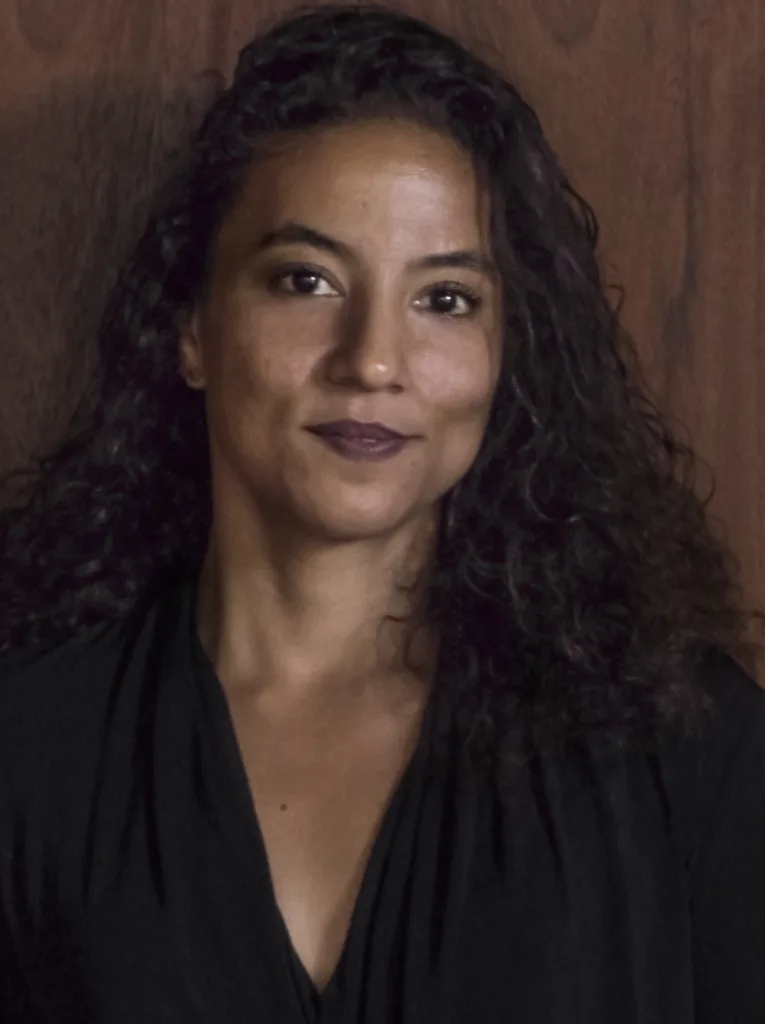
Elizabeth Hinton
Elizabeth Hinton is a Professor of History and African American Studies at Yale University and a Professor of Law at Yale Law School. She is the Co-Director of the Institute on Policing, Incarceration, and Public Safety at the Hutchins Center for African & African American Research at Harvard University, and the author of America on Fire: The Untold History of Police Violence and Black Rebellion Since the 1960’s (2021), and From the War on Poverty to the War on Crime: The Making of Mass Incarceration in America (2016). As an instructor in the Yale Prison Education Initiative (YPEI) who serves on the YPEI Faculty Advisory Committee, she received the YPEI Faculty Award for the Most Impact on Students’ Education–an award voted on by the YPEI student body. While a member of the faculty at Harvard University in 2018, she produced an in-prison, in-person, outside-in British Parliamentary format collegiate debate at MCI-Norfolk between the Norfolk Prison Colony Debating Society and students from the Harvard College Debating Union. Her popular writings, book reviews, commentaries, and scholarly works are widely published across an array of academic and law review journals. Contact: @elizabethkai.bsky.social
You can find Elizabeth’s podcast with the Vanguard here.
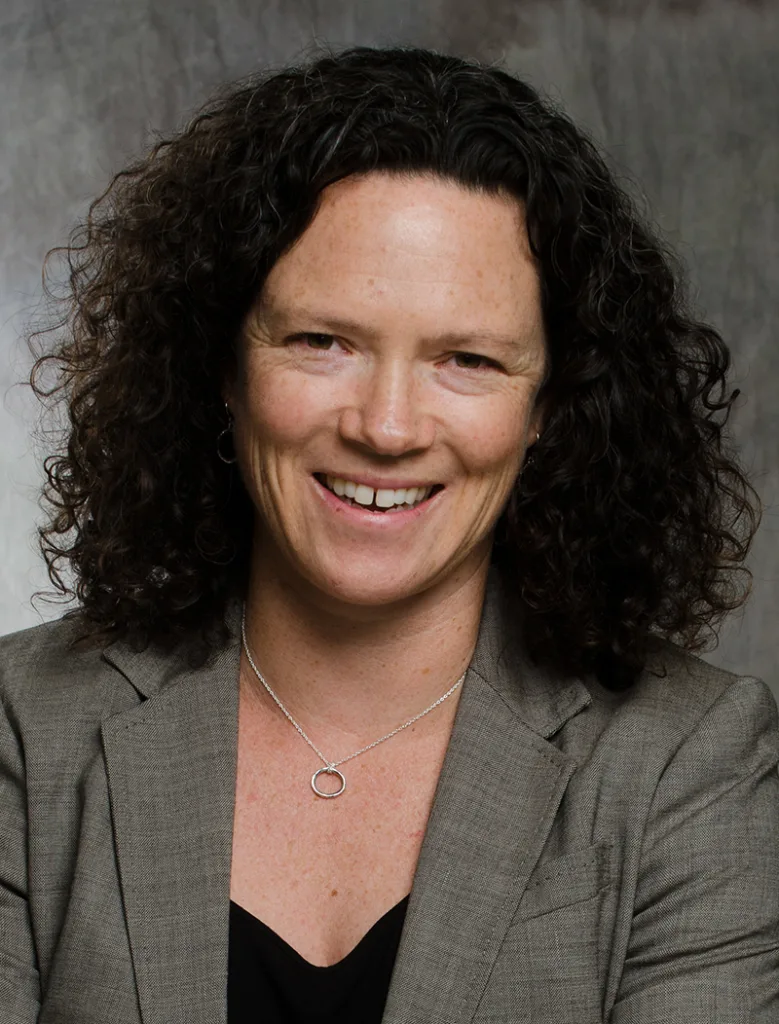
Viva Moffat
Viva Moffat is a professor of law and the co-director of the IP & Tech Law Program at the University of Denver Sturm College of Law. She teaches and writes in the areas of intellectual property law and policy, and most recently published The Free Exercise of Copyright Behind Bars in the Washington & Lee Law Review.
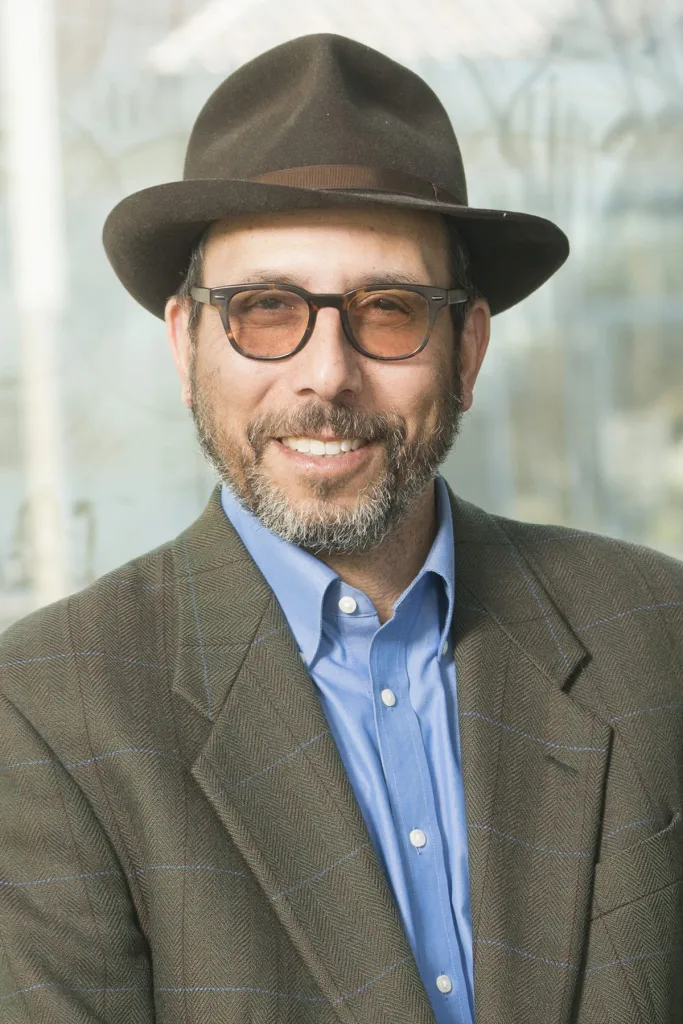
Jonathon Simon
Jonathan Simon is the Lance Robbins Professor of Criminal Justice Law and Faculty Affiliate at the Center for the Study of Law & Society at UC Berkeley, School of Law. He is the author of Mass Incarceration on Trial: A Remarkable Court Decision and the Future of Prisons in America (2014); Governing Through Crime: How the War on Crime Transformed American Democracy and Created a Culture of Fear (2007); and Poor Discipline: Parole and the Social Control of the Underclass (1993). His book reviews, commentaries, and scholarly works are widely published across an array of academic and law review journals.
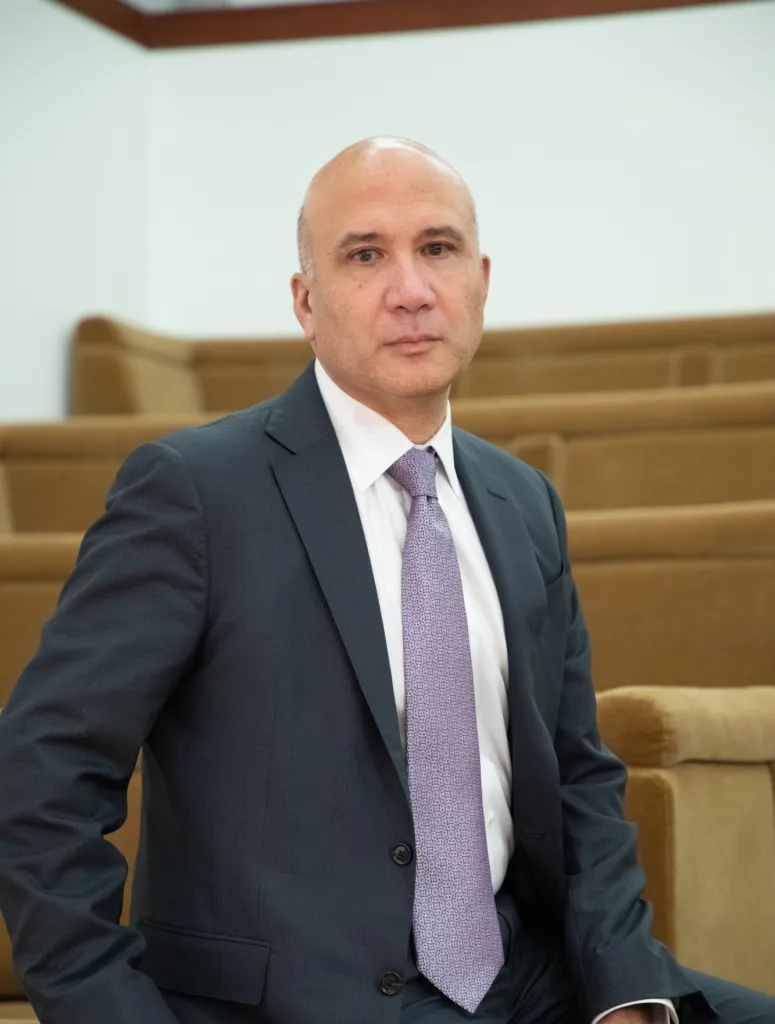
Bruce Western
Bruce Western is the Bryce Professor of Sociology and Social Justice and the Director of the Justice Lab at Columbia University. He previously served as the Director of the Program in Inequality and Social Policy at Harvard University and is the author of Homeward: Life in the Year After Prison (2018); Punishment and Inequality in America (2006); and Between Class & Market: Postwar Unionization in the Capitalist Democracies (1999). His book reviews, commentaries, and scholarly works are widely published across an array of academic and law review journals.
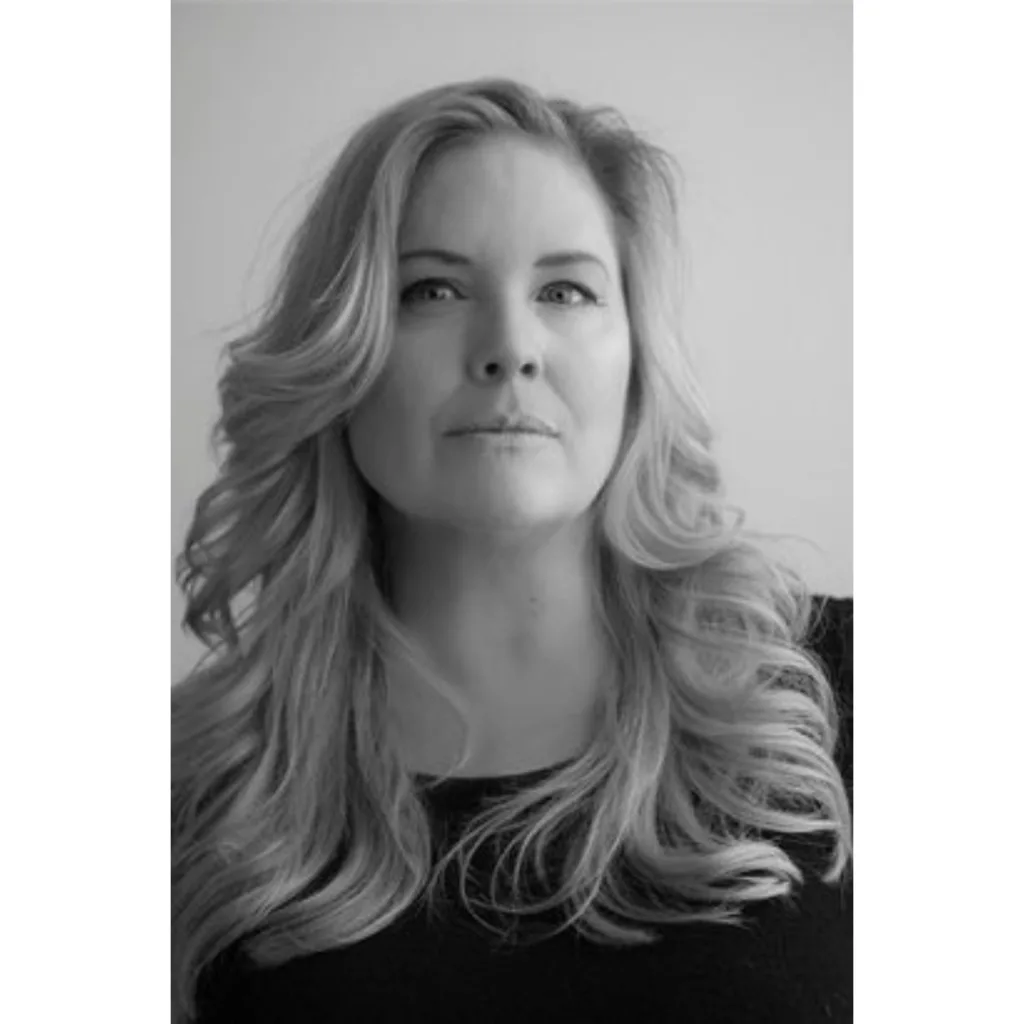
Heather Ann Thompson
Heather Ann Thompson is the Frank W. Thompson Collegiate Professor of History and Afroamerican and African Studies at the University of Michigan. She is the Pulitzer Prize-winning author of Blood in the Water: The Attica Prison Uprising and Its Legacy (2016), and Whose Detroit?: Politics, Labor, and Race in a Modern American City (2001). Her popular writings, book reviews, commentaries, and scholarly works are widely published across an array of academic and law review journals.
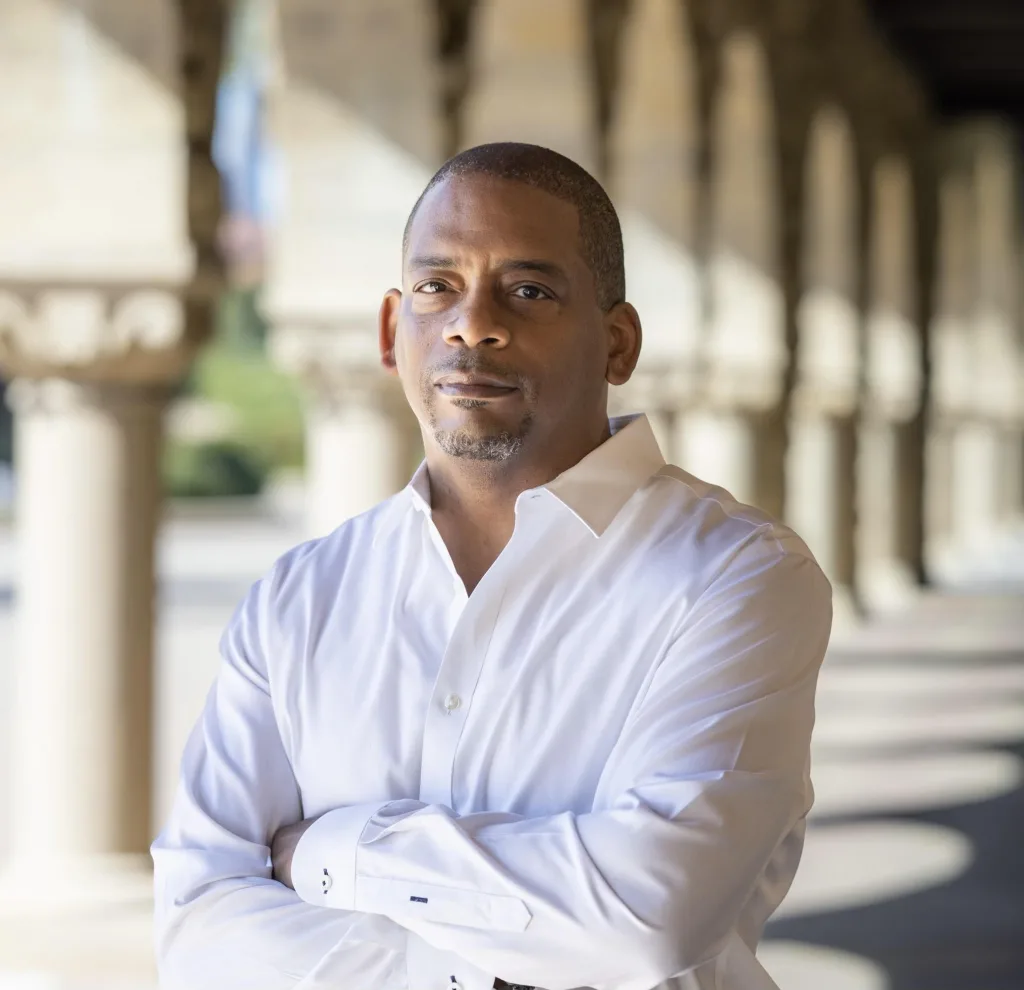
A. Van Jordan
A. Van Jordan is the author of five collections of poetry: Rise, which won the PEN/Oakland Josephine Miles Award (Tia Chucha Press, 2001); M-A-C-N-O-L-I-A, (2005), which was listed as one the Best Books of 2005 by The London Times; Quantum Lyrics, (2007); and The Cineaste, (2013), W.W. Norton & Co. Jordan has been awarded a Whiting Writers Award, an Anisfield-Wolf Book Award, and a Pushcart Prize. He is also a recipient of a Guggenheim Fellowship (2007), a United States Artists Fellowship (2009), and a Lannan Literary Award in Poetry (2015). His latest collection, When I Waked, I Cried to Dream Again, winner of the 2024 Hurston Wright Legacy Award, was released in June, 2023 (W.W. Norton & Co). Among his many academic appointments, he most recently served as the Robert Hayden Collegiate Professor of English Literature at The University of Michigan, before coming to Stanford University, where he currently holds the Humanities and Sciences Chair in English, and where he also serves as part of the inaugural faculty in the Department of African & African American Studies.
You can view a poem reading by him here.

Angel E. Sanchez
Angel E. Sanchez is a Ph.D. in Law candidate at Yale. Angel’s research explores the tensions between democracy, citizenship, and the U.S. criminal legal system. He focuses on how legal frameworks and institutions affect system-impacted individuals, particularly in areas such as voting rights restoration, access to higher education, and socio-economic inclusion. His work is deeply rooted in democratic values and seeks to advance interventions that protect the dignity and equal citizenship of individuals affected by the criminal legal system, especially those from marginalized communities.
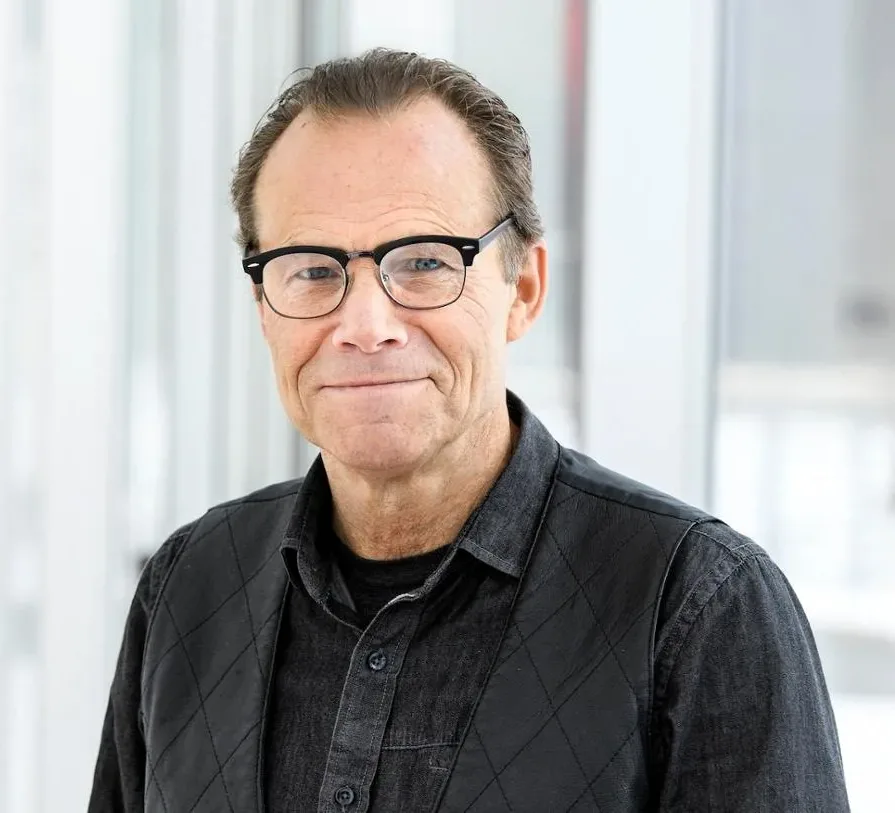
Doran Larson
Doran Larson is the Edward North Professor of Literature at Hamilton College and the founder of the American Prison Writing Archive at Johns Hopkins University. He is the author of Inside Knowledge: Incarcerated People on the Failures of the American Prison (2023), and the editor of Fourth City: Essays from the Prison in America (2013). His popular writings, essays, and scholarly works are widely published across an array of academic journals.

Moira Marquis
Moira Marquis is co-founder and Director of both the Saxaphaw Prison Books Program and Prison Banned Books Week; co-editor of Books Through Bars: Stories from the Prison Books Movement (University of Georgia Press); and lead author of the PEN America report on carceral censorship, “Reading Between the Bars.” Her popular writing can be found in Literary Hub, TIME magazine, The Progressive, The Hill, and Slate among others. Her academic writing can be found in Resilience, Green Letters, Science Fiction Studies, and the forthcoming Cambridge Companion to American Literature among others. She teaches at Fordham University.

Randall Horton
Randall Horton is a Professor of English at the University of New Haven and the co-founder of Radical Reversal, a carceral arts nonprofit funded by the Mellon Foundation. He is the co-editor of the American Library Association’s revised Standards for Library Services for the Incarcerated or Detained, and the author of Dead Weight (2022), the 2021 American Book Award-winning work #280-128 (2020), the GLCA Creative Nonfiction New Writers Award-winning work Hook: A Memoir (2015), and The Definition of Place (2006). He is a member of the performance collective Heroes Are Gang Leaders, which received the 2018 American Book Award in Oral Literature, and his essays and commentaries appear in Salon, MSNBC, and a wide array of podcasts.
You can watch Randall explain the importance of carceral journalism here.
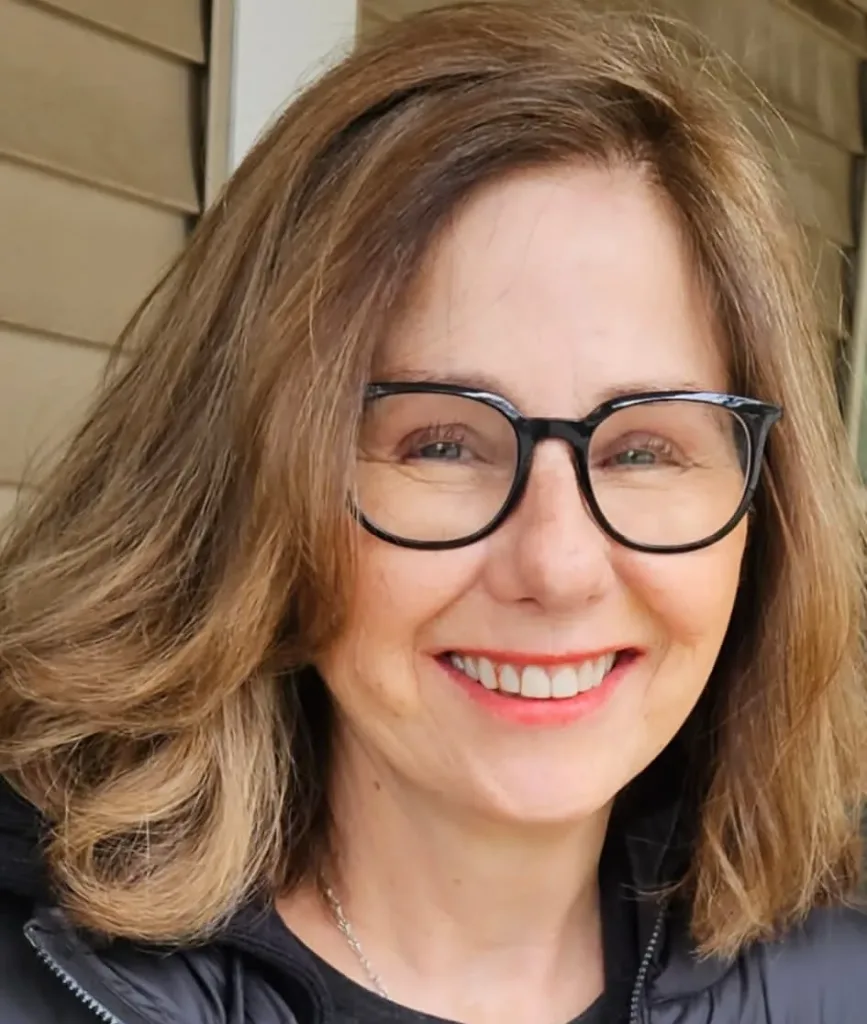
Joan Parkin
Joan Parkin is a Lecturer of English Language and Literature at Boston University’s Prison Education Program, the Director of the Vanguard Incarcerated Press, and co-founder and former Director of Feather River College’s Incarcerated Student Program, where she is a Professor Emerita. She is the author of Perspectives from the Cell House: An Anthology of Prisoner Writings, and was the coordinating advocate for members of the Death Row Ten, a group of tortured and wrongfully convicted death row prisoners in Chicago, Illinois, many of whom became pardoned by Governor George Ryan, which led to several subsequent death sentence commutations.
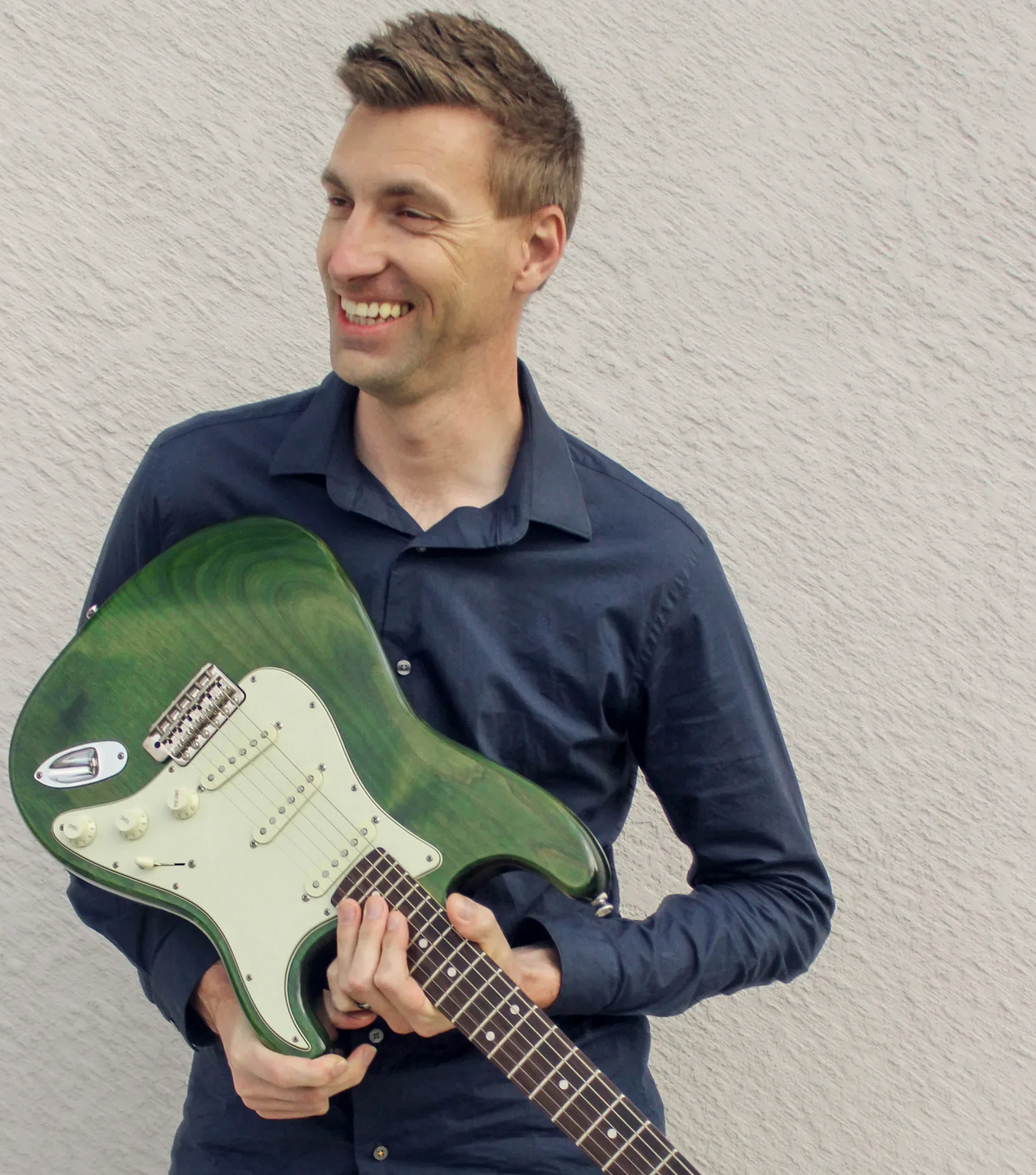
Nathanial Dahman
Nathaniel Dahman is a Lecturer of Music Technology at CSU Stanislaus and teaches Music History at Valley State Prison via Merced College’s Rising Scholars prison education program. Using his multi-discipline media composition expertise, he coordinates the collaborative community volunteer action work effort of CSU student cohorts who are aligned in delivering creative arts-based outside-in video and audio editing services to Inner Views video lecture series and audio podcast programming. In coordination with Radical Reversal, he is committed to curating and proctoring the nation’s first fully accredited audio podcast and radio sound design training program incubator that prepares confined content makers for the retail production demands of radio podcast programming and confers upon graduates thereof transferrable college credit.
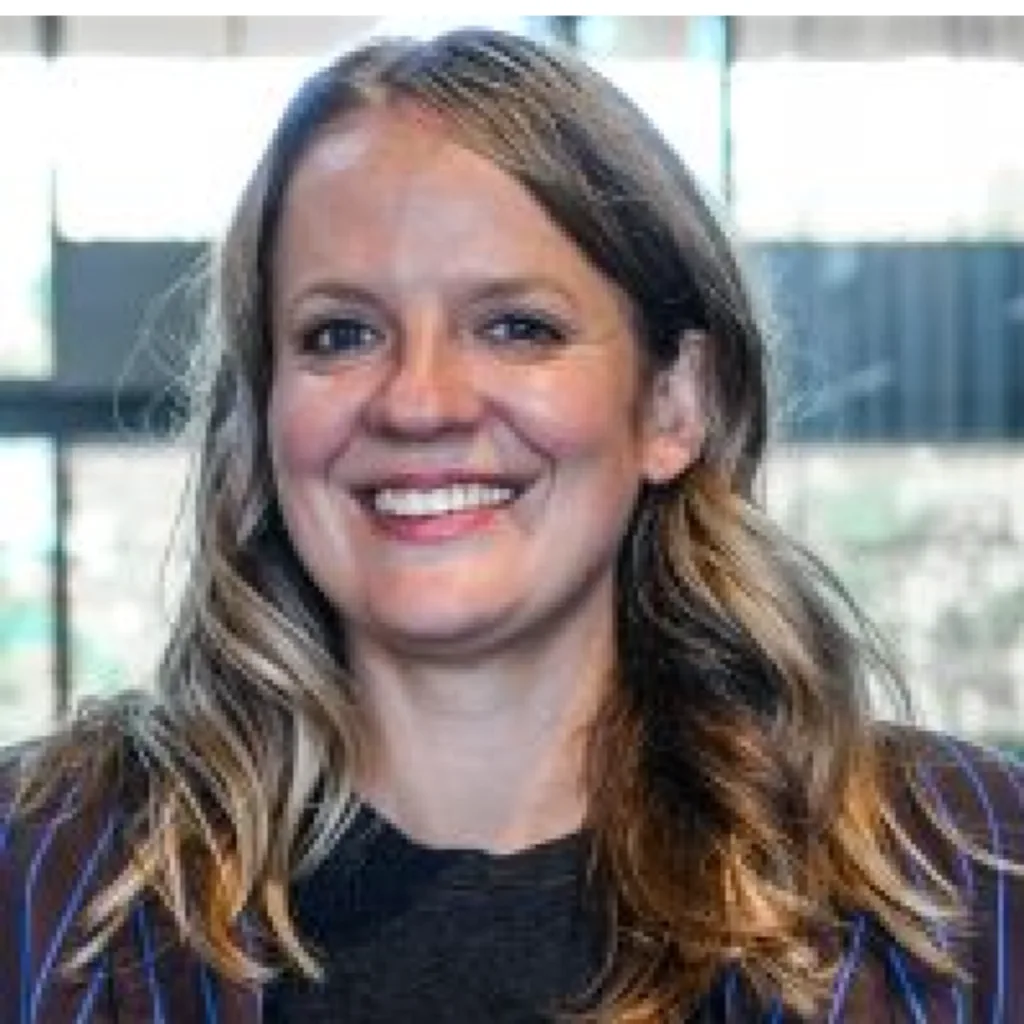
Charlotte West
Charlotte West was a freelance journalist covering higher education issues for more than fifteen years before becoming the editor of College Inside in 2021 and focusing her national reporting on the intersection of the criminal justice and higher education systems. As the only national journalist covering higher education in prisons, she is a unique combination of publisher, editor, and collaborator who empowers stakeholders to craft their own copy, publishes their testimonies, and distributes that public-facing work back into the carceral state for residents to access digitally on-demand.
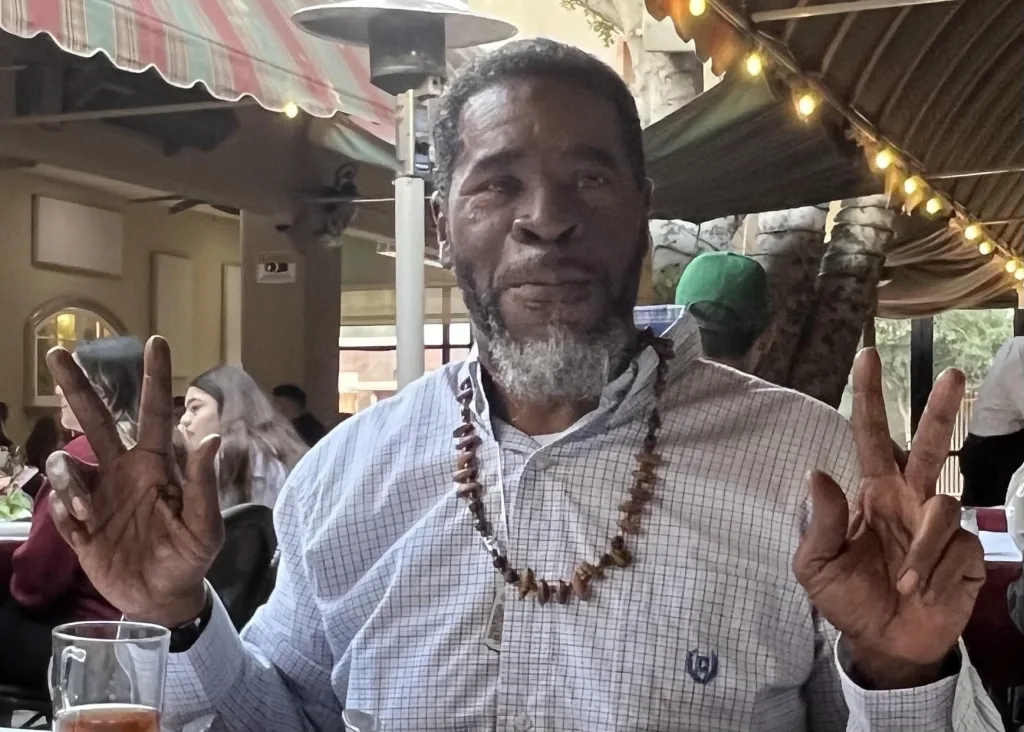
Marcus Henderson
Marcus Henderson is an award winning journalist and the former Editor in Chief for San Quentin News. He held that position for five years and helped train and develop other incarcerated journalists. He lead multiple forums with the incarcerated and law enforcement. He helped develop programs for youth offenders. His goal is to provide healing through words and art. He passed away in spring 2025.
You can read his works here.

Mumia Abu-Jamal
Mumia Abu-Jamal is a veteran Black Panther and award-winning radio journalist who has authored over fourteen books from prison, including the New York Times bestseller Live From Death Row and the critically acclaimed Death Blossoms. Widely recognized for his searing critiques of racism and state violence, Abu-Jamal was convicted in 1982 of killing white police officer Daniel Faulkner in a case that Amnesty International declared “irredeemably tainted by politics and race.” He has maintained his innocence for over four decades, and his trial was marred by police corruption, judicial bias, suppressed evidence, and witness coercion—including compelling evidence that the prosecution bribed its main witness. When a recent legal opening allowed for a new evidentiary hearing, the Pennsylvania Courts reinterpreted the law to block it—continuing a longstanding pattern of denying Abu-Jamal the legal remedies routinely granted to other prisoners. Legal scholars have long referred to this double standard as the “Mumia Exception.” In 2017, Abu-Jamal won a precedent-setting health suit that forced the state to provide him life-saving Hepatitis C treatment—ultimately securing access to the expensive cure for thousands of incarcerated people across the country. A global symbol of resistance to state repression, Abu-Jamal has received support from human rights organizations, heads of state, and Nobel Laureates including Nelson Mandela and Desmond Tutu. His writings helped shape the national conversation on mass incarceration years before it reached the mainstream. He spent 28 years on death row and continues to write and fight for justice.
Listen to Mumia’s message to aspiring journalists in prison below.
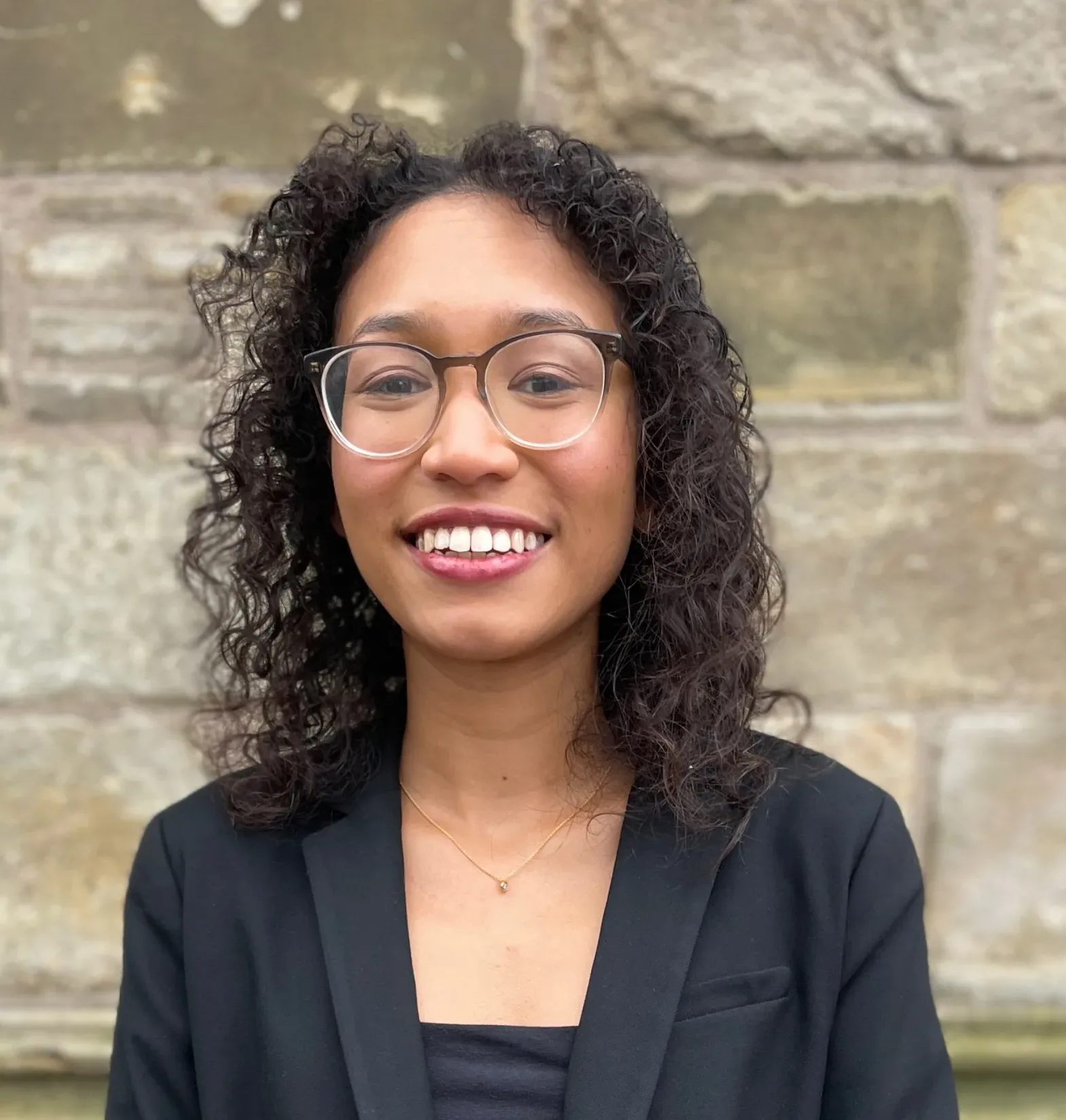
Kristine Guillaume
Kristine Guillaume is a PhD candidate in African American Studies and English at Yale University, and an instructor in the Yale Prison Education Initiative (YPEI). Her research focuses Black prison print culture in the mid-to-late 20th century. Prior to Yale, she completed master’s degrees in English and American Studies and in Intellectual History at the University of Oxford, where she was a Rhodes Scholar. Kristine graduated from Harvard University with a degree in History and Literature and African American Studies in 2020. She was a reporter at The Harvard Crimson before becoming the paper’s first Black woman president in 2019. Kristine has also published articles in The Atlantic, CBS, and Time Magazine.
Watch Kristine’s inspiring message to the VCJG here.
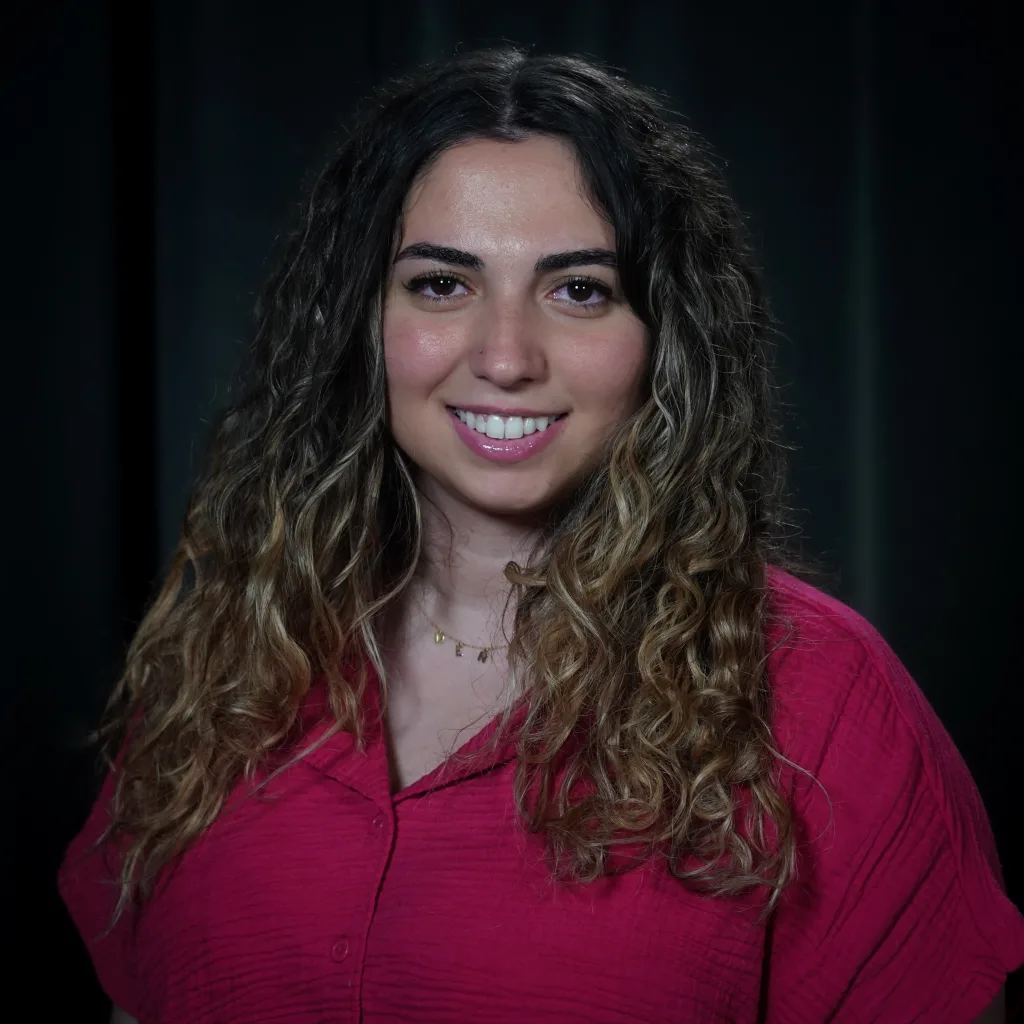
Denis Akbari
Denis Akbari, an Iranian-Italian visual journalist, earned her Master of Science degree in Journalism at UC Berkeley Graduate School of Journalism and her Bachelor of Science degree in Information Technology at Cal State LA. She was a production news intern at ABC7 Bay Area and has volunteered as a print and video editor at San Quentin News. During her time at Berkeley Journalism, Denis was named Jim Marshall fellow for her photography. Denis is currently a Visual Journalist at PBS KVIE and she covers criminal justice, immigration, housing insecurity and poverty while aiming to inspire empathy and foster dialogue, using her journalism as a catalyst for change. Denis will deliver invaluable outside-in collaborative photo and video packages that elevate the VCJG’s Witness assignments, and she’ll provide editing expertise to the Inside Knowledge project.
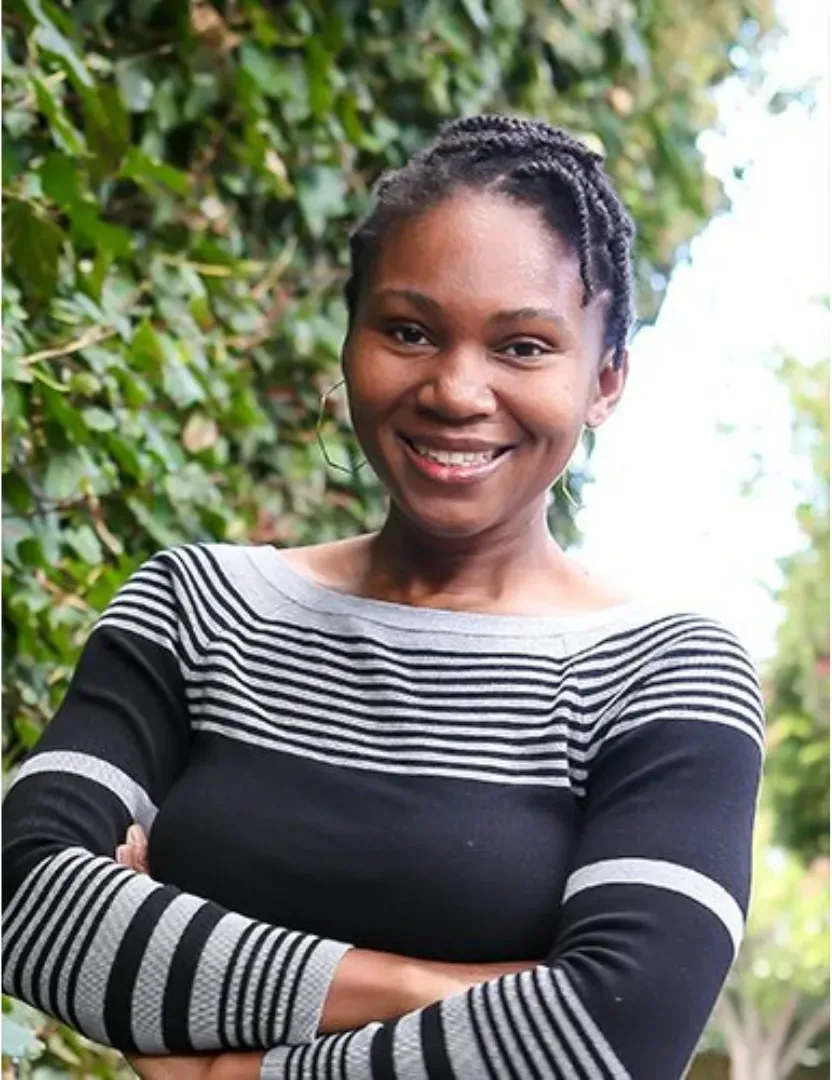
TaSin Sabir
TaSin Sabir is the Communications Manager for Legal Services for Prisoners with Children, the Editor in Chief of the All Of Us Or None newspaper, and has served as the contracted graphics designer for LSPC’s special projects, reports, marketing materials, and website development needs since 2016. An Oakland, California native, she graduated from California College of Arts and Crafts with a BFA degree in Fine Arts Photography, founded the OakPod community space, has exhibited her art nationally, and is a regular contributor to the San Francisco Bay View Newspaper and YO! Youth Outlook. Via her editor role at AOUON, she features the work of incarcerated writers and artists while collaborating with returning citizen staff journalists and community activists to center their lived experience and restore the civil rights of justice-impacted citizens.
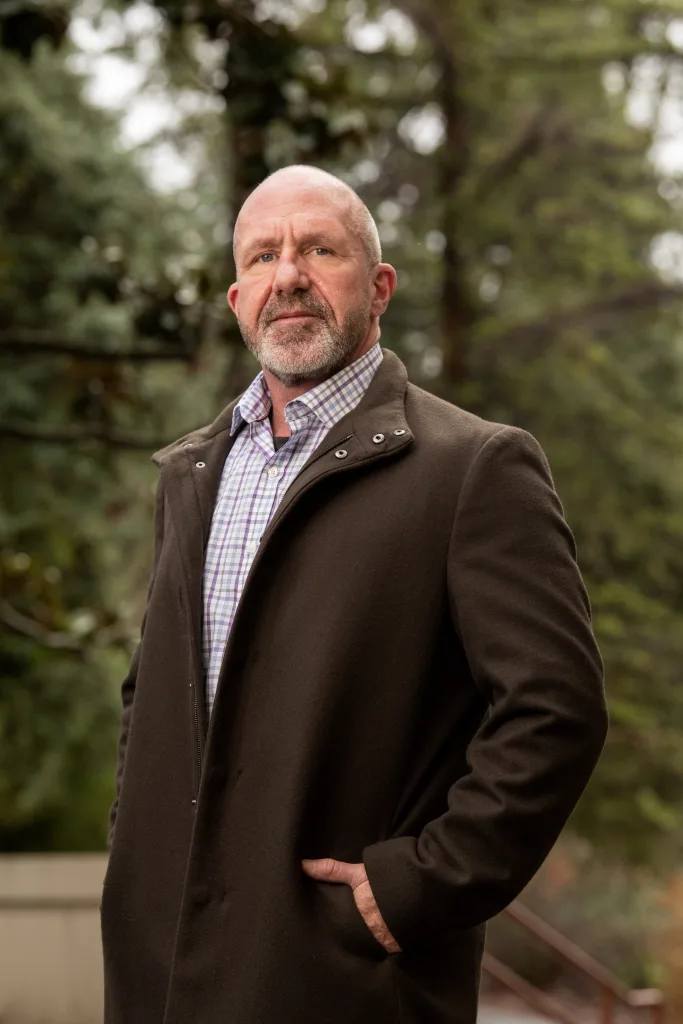
Gunner Johnson
Gunner Johnson is the Director of the Underground Scholars Program at UC Davis, the former Program Manager of the Insight Garden Program at Mule Creek State Prison, and currently co-facilitates PROP programming at Valley State Prison for college-bound youth offenders. While serving a 20-year sentence within the Federal Bureau of Prisons, Gunner achieved his AA, successfully litigated his own criminal appeal from FCI Sheridan by securing a remand and release order, and then earned a BA in Sociology (summa cum laude) at Sacramento State University, whereafter his graduate school research focused on survivor-offender restorative justice work. The genesis of his work in restorative justice was profiled on CNN’s The Redemption Project, which features Gunner’s healing journey that led him to forgiving the person who harmed him and advocating for that person to receive a commutation from Governor Brown. Gunner works inside multiple CDCR and youth detention facilities working to expand educational opportunities for incarcerated and formerly incarcerated students.
https://www.cnn.com/2019/05/14/us/criminal-justice-reform-first-step-act-redemption-project-van-jones/index.htmlRead an article about Gunner’s The Redemption Project on CNN here.
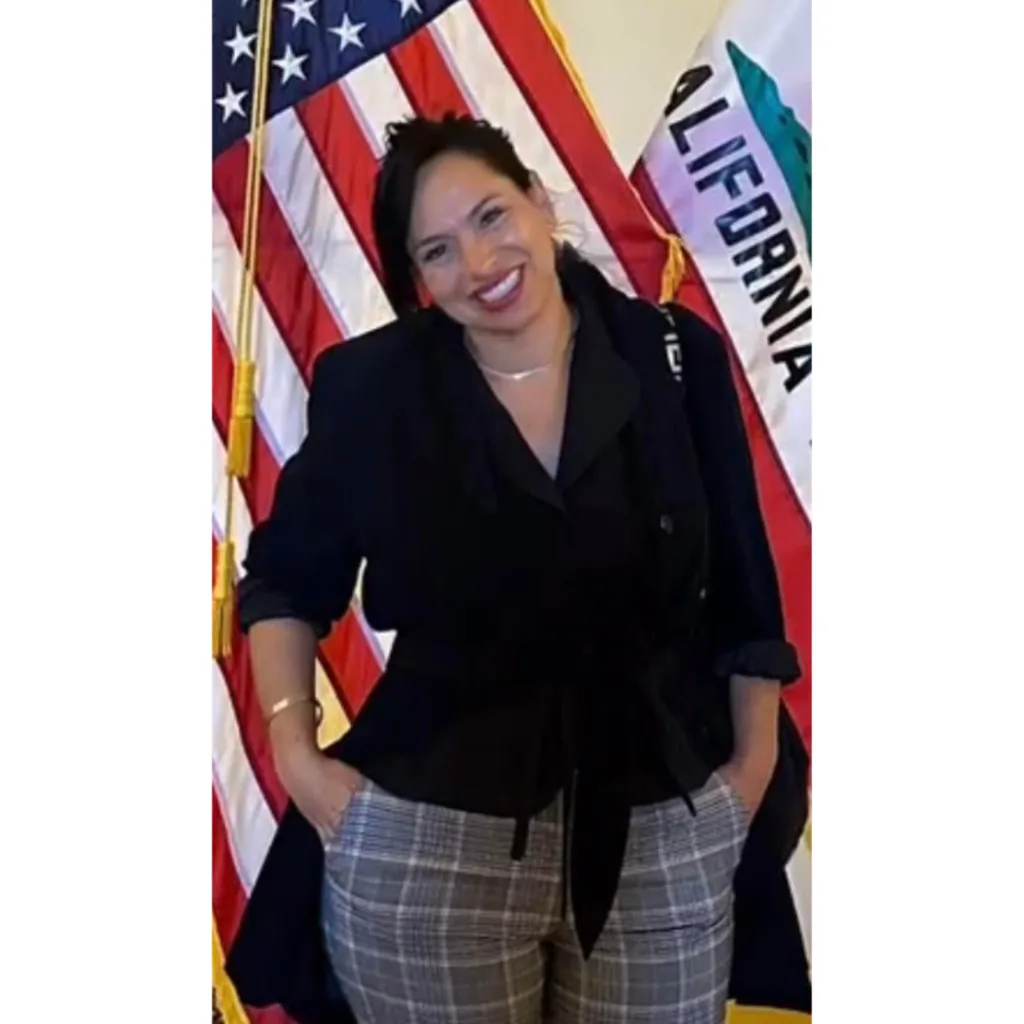
Alissa M. Moore
Alissa Moore, after being sentenced to life in prison as a seventeen-year-old youth and surviving more than twenty-five years of confinement in both youth and adult prison systems, is a journalist for All Of Us Or None Newspaper, the NorCal Re-Entry Specialist for Legal Services for Prisoners with Children, the founder of Life Unlocked–a twenty-four-hours-a-day/seven-days-a-week crisis line for incarcerated persons–and policy consultant. Her commitment to the plight of people living in confinement and effectuating cost-effective no-nonsense public safety policy reform is reflected in her tireless organizing, activism, expert witness testimony on conditions of confinement, and her legislative advocacy, all of which have proven instrumental in the passage of several bills in California, most notably in the human healthcare space, involving SB 1139, SB 1254, and AB 1810.
To support this work, please consider aggregating the banners below via your social media. Thank you for standing for freedom.

- Pigtails and Quicksand

- Journey to a New Horizon
- Incarcerated Before Incarceration
- Building Our Journalism Guild: The Power of Proximity
- Review: Liberation Live!: The Futurity of Radical Prison Print Culture
- Justice for Everybody, Carceral Studies Journalism Guild Host Journalism Symposium at Valley State Prison


Allies/Collaborators
Institute on Policing, Incarceration, & Public Safety (IPIPS) at the Hutchins Center for African & African American Research ~ Harvard University
Journal of Prison Education Research ~ Virginia Commonwealth University | Incarcerated Writers Initiative (IWI) ~ Columbia University
American Prison Writing Archive (APWA) ~ Johns Hopkins University | Laboratory for Race and Popular Culture (RAP Lab) ~ UCLA
Poetry Center ~ University of Arizona | PEN America | Yale Prison Education Initiative (YPEI) | BARD | Hudson Link
Merced College Rising Scholars ~ Alpha Gamma Sigma (AGS) | Coastline College ~ Hope Scholars
Underground Scholars | Project Rebound | All Of Us Or None Newspaper (AOUON)
College Inside | Exchange Magazine | Beyond Bars | Hope & Mic
Radical Reversal | Barz Behind Bars
Independent News Network (INN)