
Wrongful convictions remain a widespread crisis in the United States, with studies estimating that anywhere between 6% and 15.4% of incarcerated people are imprisoned for crimes they did not commit. According to Medicine, Science, and Law, that means “between 138,000 and 354,200 of those individuals may be wrongfully imprisoned at any given time,” based on the U.S. Claims estimate of 2.3 million people currently behind bars.
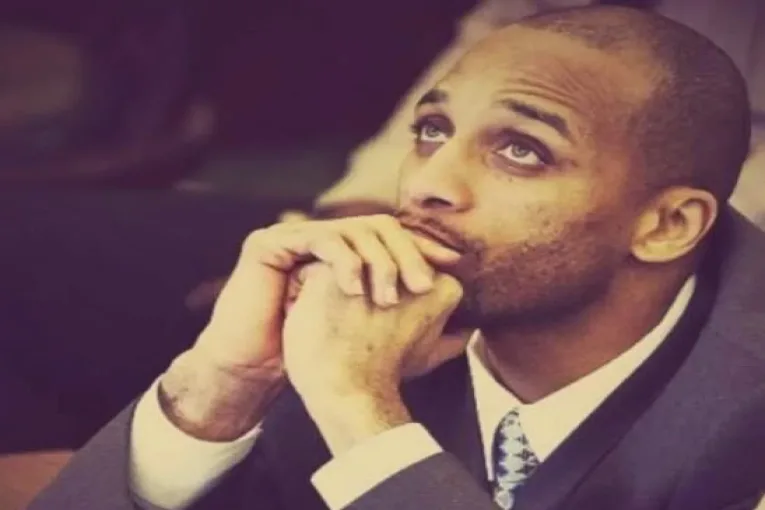
One of them is James Richardson, a North Carolina man wrongfully convicted in the 2009 double homicide of Landon Blackley and Andrew Kirby. After nearly 14 years in prison, Richardson will finally have his case revisited in court later this month.
According to the case summary on FreeJamesRichardson.org, Richardson was convicted in 2011 despite a complete lack of physical evidence linking him to the crime. The prosecution argued that Richardson, acting alone, fired shots from a white BMW. That theory has since been debunked by suppressed evidence showing he was not in the vehicle and did not match witness descriptions of the shooter.
The hearing, scheduled for Aug. 26, 2025, before Pitt County Superior Court Judge Henry W. Hight Jr., could grant Richardson an evidentiary hearing for a new trial. As detailed on FreeJamesRichardson.org, “the investigation and trial were plagued with misconduct and racial discrimination.” Richardson’s legal team, including attorneys from the Southern Coalition for Social Justice and Tin Fulton, Walker & Owen, will argue that key evidence—such as surveillance footage showing multiple occupants in the BMW—was deliberately withheld.
A forthcoming mini-documentary produced by SCSJ will spotlight Richardson’s ordeal, including his life before incarceration as a standout basketball player and mentor. As the Free James Richardson campaign notes, “James has been a model inmate throughout his 13+ years of incarceration, maintaining his innocence and positively impacting others in prison.” The documentary trailer underscores the devastating impact systemic failures have on the families of both the wrongfully accused and the victims.
The case also reveals troubling racial animus during jury deliberations. Lamuel Anderson, the only Black juror, submitted an affidavit describing how he was pressured to change his not-guilty vote amid racial hostility. “But for the pressure from the Court, juror Anderson would have not caved,” the case summary states.
Abraham Rubert-Schewel, Richardson’s attorney, emphasized: “This case lacks accuracy and fairness, revealing the devastating toll of a wrongful conviction.”
