
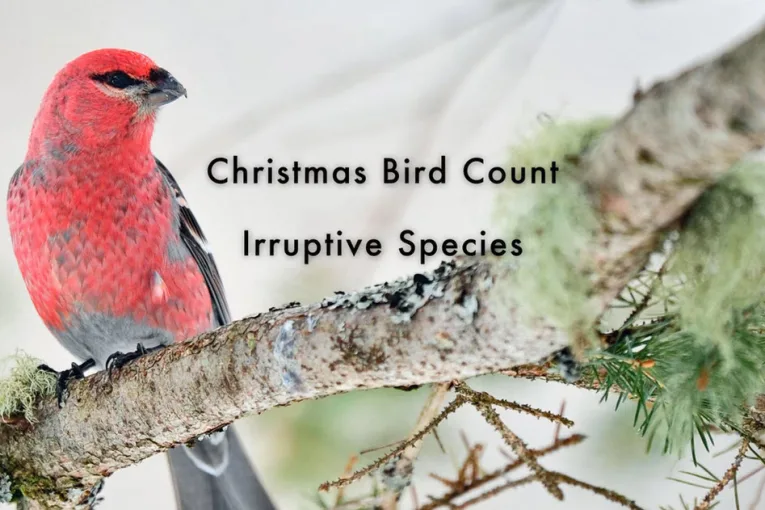
The holiday season can be a stressful time for a lot of people, and it can be hard to find time to get outside and enjoy the season. It turns out there’s something you can do this month that combines two things proven to lift people’s spirits: volunteering and watching birds. I’m talking about the 126th annual Christmas Bird Count, a series of bird-watching and -counting events happening in the Central Valley and nationwide between December 14 and January 5. Many of these events are open to novice birdwatchers.
Numerous studies have found that listening to bird song, birdwatching, and just generally spending time in nature can measurably reduce anxiety and depression and improve mental health. Similarly, volunteering for a good cause can lower a person’s blood pressure and reduce depression and loneliness.
The annual Christmas Bird Count combines volunteerism and birdwatching while building positive community connections. It’s a reminder of the wonder of our natural world during the darkest days of the year, and a great way to do your part to support the bird species that migrate along the Pacific Flyway right through – and above – our communities.
The National Audubon Society has been running Christmas Bird Counts since 1900, when early conservationists developed the tradition to supplant an earlier tradition of competing to see who could shoot the most birds. Thankfully, the new tradition caught on! This year tens of thousands of volunteers will take part in locations throughout North America, with additional events in Canada, Central and South America, and even some Pacific islands.
Participants count birds in the same areas every year. The data collected by these community scientists is invaluable for tracking the long-term health and status of bird populations – which are struggling across the globe – and guiding actions to protect bird habitat. In turn, healthy natural habitats are the building blocks of healthy communities, providing benefits such as filtering pollutants out of our air and our drinking water and reducing flood risk. In many of the Central Valley’s park-poor communities, restoring and protecting habitat also provides critical access to open space and natural areas.
Christmas Bird Count opportunities exist everywhere from urban and suburban areas, to private rural land (with permission), to publicly owned wildlife refuges. For example, the Rio Cosumnes Christmas Bird Count encompasses Stone Lakes National Wildlife Refuge and the state-managed Cosumnes River Ecological Reserve.
State Wildlife Management Areas and Reserves, and National Wildlife Refuges, play a critically important role in supporting birds and are great places to visit any time of year. Entry to these publicly owned lands is usually free.
My organization, Audubon California, is a member of the Central Valley Joint Venture, one of the North American Migratory Bird Joint Ventures. Together, we work with Wildlife Areas, National Wildlife Refuges, and numerous other public and private partners to promote healthy bird populations and conserve habitat.
To participate in the 126th Christmas Bird Count, see this map to find a count near you. Or go to your local Audubon or Bird Alliance website and see if they are running a count (note that many “Audubon” chapters have changed their names to “Bird Alliances” in recent years). In the greater Sacramento region, including one in Woodland and Davis on Jan. 2.
Part of the magic of birdwatching is that you don’t have to spend lots of money and travel to a far-off location to see birds. You can look out your window, visit your local city park, or join other nature enthusiasts over the holidays for a morning of fellowship and volunteerism as part of this decades-old tradition.
And the next time you see a skein of geese flying overhead or hear a noisy flock of chickadees in the trees at your local park, you’ll know you played a part in supporting these small, beautiful creatures who bring such joy into our lives.
Xerónimo Castañeda is the Director of Audubon California’s Working Lands Program, which partners with private landowners, land stewards, communities, agencies, and conservation groups to protect habitat on natural and working lands, supporting birds when and where they need it most.
