
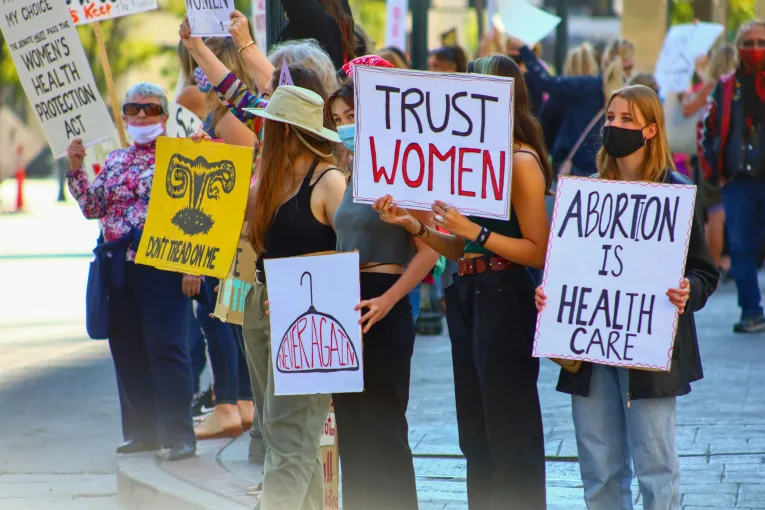
The idea that consenting to sex means consenting to pregnancy is not only dangerous but also fundamentally flawed. This logic is the backbone of the forced birth narrative, which seeks to control women’s bodies and deny them autonomy over their own lives. It’s time to challenge this dangerous and inconsistent logic and push for a more moral and just approach to reproductive rights.
Consent to one action does not automatically imply consent to all possible consequences of that action. For example, consenting to sex does not mean consenting to sexually transmitted infections, nor does it mean consenting to any potential injuries that might occur during sex. So why should it mean consenting to pregnancy? This dangerous logic ignores the complexities of human sexuality, reproduction, and consent. It’s a slippery slope that leads to a world where women have no control over their own bodies.
Forced birth narratives are inconsistent because they ignore the real-world consequences of pregnancy and childbirth. They refuse to grapple with medical emergencies, maternal death, and the economic and social impacts of unwanted pregnancies. By pushing for a world where abortion is illegal, forced birth advocates are essentially saying that women should be forced to bear the burden of pregnancy and childbirth, regardless of the risks and consequences. This refusal to acknowledge reality is harmful and denies women the right to make informed decisions about their own bodies.
Forced birth narratives often rely on abstinence-only talking points, which have been proven to be ineffective and harmful. These talking points ignore the reality that people have sex, and sometimes that sex results in pregnancy. By refusing to acknowledge this reality, forced birth advocates are able to push a narrative that blames women for their own pregnancies and denies them the right to make decisions about their own bodies. This moral inconsistency is unacceptable and must be challenged.
The forced birth narrative is morally inconsistent because it denies women bodily autonomy and healthcare access. It pushes a world where women are forced to carry pregnancies to term, regardless of the risks to their health and well-being. This is a world where women are denied the right to make decisions about their own bodies, and where their lives and health are valued less than the potential life of a fetus. This moral inconsistency is not only harmful but also fundamentally unjust.
If abortion is illegal, what’s the punishment? Who gets punished? The reality is that abortion bans do not stop abortions; they only stop safe ones. Women who are determined to end their pregnancies will find a way, whether it’s through unsafe and illegal means or by traveling to another state or country where abortion is legal. The only people who are punished by abortion bans are the women who are forced to carry unwanted pregnancies to term, and the healthcare providers who are criminalized for providing essential medical care. This is a world where women’s lives and health are put at risk, and where healthcare providers are denied the right to provide essential medical care.
Bodily autonomy and healthcare access are fundamental human rights. Women have the right to make decisions about their own bodies, and they have the right to access the healthcare they need to maintain their health and well-being. By denying women these rights, forced birth advocates are pushing a world that is not only dangerous and inconsistent but also fundamentally unjust. It’s time to recognize that consent to sex does not equal consent to pregnancy, and that women have the right to make decisions about their own bodies. It’s time to acknowledge the real-world consequences of pregnancy and childbirth, and push for policies that prioritize women’s health and well-being. It’s time to recognize that abortion bans do not stop abortions; they only stop safe ones, and that women and healthcare providers should not be punished for seeking or providing essential medical care.
It’s time to challenge the dangerous and inconsistent logic of the forced birth narrative and push for a more moral and just approach to reproductive rights. Women have the right to make decisions about their own bodies, and they have the right to access the healthcare they need to maintain their health and well-being. By recognizing these rights and pushing for policies that prioritize women’s health and autonomy, we can create a world that is not only more just but also more consistent and moral. The time for action is now. Let’s tear down the systems that deny women their rights and build something better.
The forced birth narrative is not just about controlling women’s bodies; it’s about controlling their lives. It’s about denying them the right to make decisions about their own futures. It’s about valuing the potential life of a fetus over the actual life of a woman. This is a world that none of us should want to live in. It’s a world that is dangerous, inconsistent, and fundamentally unjust. It’s time to challenge this narrative and push for a world that values women’s lives and autonomy. It’s time to recognize that consent to sex does not equal consent to pregnancy, and that women have the right to make decisions about their own bodies. It’s time to acknowledge the real-world consequences of pregnancy and childbirth, and push for policies that prioritize women’s health and well-being. It’s time to recognize that abortion bans do not stop abortions; they only stop safe ones, and that women and healthcare providers should not be punished for seeking or providing essential medical care. It’s time to tear down the systems that deny women their rights and build something better. It’s time to fight for a world that values women’s lives and autonomy. It’s time to fight for reproductive justice.
Follow the Vanguard on Social Media – X, Instagram and Facebook. Subscribe the Vanguard News letters. To make a tax-deductible donation, please visit davisvanguard.org/donate or give directly through ActBlue. Your support will ensure that the vital work of the Vanguard continues.

This article needs context. I am not familiar with the “forced birth narrative.” What is it and how is it being manifested?
A person who becomes pregnant in a place where abortion is illegal is forced to give birth.
Thanks Don. In reading the article it seemed like it was much more universal than just in anti-abortion states. It sounds like like the “”right to life” movement had upped the ante to “obligation to get pregnant.”
I didn’t know either. Serious question: when lefties us terminology that’s like a known online term that is exclusive to leftie spaces, and then they use it in a article read by non-lefties, do they purposefully not explain the term, like it’s a secret code or dog whistle, or do they just not realize it’s not used by anyone outside those spaces?
I remember when I allegedly stepped in it a half-decade ago making a comment like, ‘what the hell is gender affirming care supposed to mean’ ? I had never heard the term, but didn’t realize it was common online in leftie spaces that I don’t hang out in (especially as I am not in/on social media, because it’s evil). Was pretty clear to me at the time the term was purposefully not explained in the article context.