
Meditation, Redemption and the Promise of Reentry
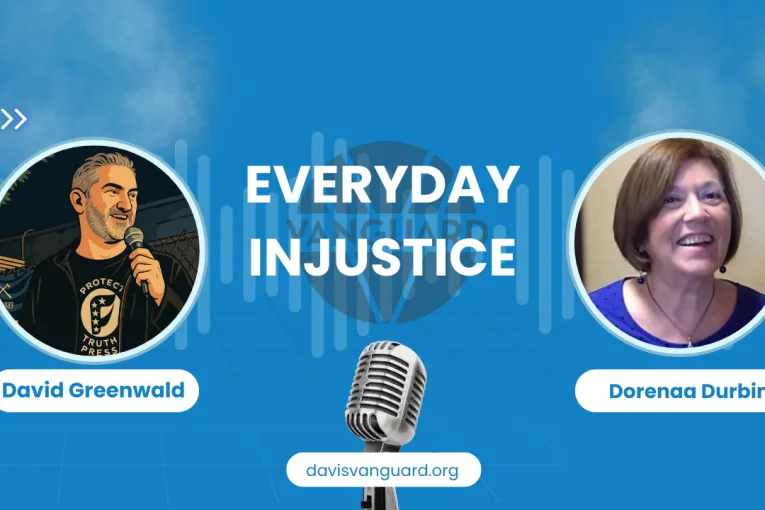
In the latest episode of Everyday Injustice, host David Greenwald revisits the transformative power of meditation inside prison walls, bringing back longtime meditation teacher Doreena Durbin and introducing Doug, a formerly incarcerated man whose life was reshaped by the practice. The conversation moves beyond theory, grounding itself in lived experience as Doug recounts how meditation helped him navigate years inside the Texas prison system and ultimately face the daunting realities of reentry with resilience and clarity .
Durbin, who has practiced meditation for 45 years and has taught it for four decades, launched her prison program in Texas in 2019 after decades of hoping to bring the discipline behind bars. Her work emphasizes meditation not as dogma but as a practical tool for cultivating awareness, managing anger and developing inner stability. Inside facilities often defined by noise, tension and trauma, she found surprising receptivity. According to the transcript, even correctional staff observed noticeable changes in participants who emerged from sessions calmer and more centered .
Doug’s story provides a powerful case study. In and out of prison three times for a combined eight years, he describes arriving with what he calls a “racing mind” and leaving with a sense of inner peace that he refuses to surrender, even amid the structural barriers of reentry such as housing discrimination and limited employment opportunities . Meditation, he explains, gave him tools to interrupt anger, manage stress and confront existential questions about identity and purpose. Rather than framing incarceration solely as punishment, he describes the experience—through the lens of disciplined practice—as an opportunity for profound personal recalibration.
For a podcast grounded in criminal justice reform, the episode raises a broader question: can institutions structured around control make space for transformation? Both Durbin and Doug argue that meditation programs offer practical benefits for correctional systems, from reducing conflict to fostering emotional regulation, while also addressing the deeper trauma many incarcerated people carry. As Durbin prepares to see her program continue through other teachers, and as Doug hopes his voice will reach someone currently sitting in a cell feeling isolated and hopeless, the episode underscores a central theme: even in confinement, there remains the possibility of interior freedom.
Follow the Vanguard on Social Media – X, Instagram and Facebook. Subscribe the Vanguard News letters. To make a tax-deductible donation, please visit davisvanguard.org/donate or give directly through ActBlue. Your support will ensure that the vital work of the Vanguard continues.
