Criminal Justice Reform

The Thin Blue Line on the Gun Ban

Analysis indicates that systemic deficiencies and an absence of comprehensive data infrastructure impede the consistent application of the Lautenberg Amendment’s domestic violence firearm restrictions to law enforcement personnel.

Orange County Judge Denies Immediate Warrant Bid, Citing Mental Health Access

A Santa Ana judge rejected a prosecutorial request to immediately issue a bench warrant for a woman charged with robbery, citing the need to preserve her access to mental health treatment. The ruling effectively prioritized the defendant’s pursuit of behavioral health care over routine criminal court procedures, preventing potential procedural barriers to her enrollment in a Los Angeles County program.

Report Finds Kings and Madera Counties Exemplify California’s Failing Public Defense System

A new analysis by The Wren Collective and UC Berkeley Law’s Criminal Law & Justice Center contends that California’s indigent defense system, particularly in Kings and Madera counties, exemplifies a statewide constitutional crisis, attributing the issue to flat-fee public defense contracts that foster unsustainable attorney caseloads and impede effective legal representation.

Court Watch: Jury Rejects Prosecution’s Drug Distribution Theory after Defense Exposes Gaps in Evidence

A San Francisco Superior Court jury delivered a split verdict in the trial of Patrick Wayne Davis, rejecting the prosecution’s central claim of intent to sell narcotics following contentious closing arguments. Jurors acquitted Davis of narcotics sales charges but convicted him of leaving the scene of an accident and the lesser included offense of simple possession.

More Than 600 Death Penalty Cases Overturned because of Prosecutorial Misconduct

More than 600 capital convictions or death sentences have been overturned or resulted in exoneration due to prosecutorial misconduct, according to a report from the Death Penalty Information Center (DPI). The DPI report indicates this figure likely understates the problem’s true scale, citing systemic issues such as racial disparities in jury selection and the frequent judicial dismissal of proven violations as ‘harmless error’.

Court Watch: Judge Grants Release Despite Prosecutor’s Opposition, Highlighting Tension Over Addiction and Pretrial Justice

A Yolo County Superior Court judge granted supervised own-recognizance release to an accused individual struggling with substance abuse, overruling prosecutorial objections. The ruling, which followed arguments from Deputy Public Defender Erin M. Dacayanan for treatment over incarceration and opposition from Deputy District Attorney Ava Chin-Perez citing a ‘revolving door’ pattern, underscored the ongoing judicial debate over addressing addiction through incarceration or therapeutic intervention.

ACLU Report Finds Sacramento Police Stop Black Drivers 3.1 Times More Often

A new analysis of Sacramento Police Department traffic stop data by the American Civil Liberties Union (ACLU) of Northern California identified significant racial disparities, indicating Black residents constituted one-third of all stops despite representing 12% of the city’s population. The findings prompted calls for policy reforms aimed at prohibiting police from initiating stops based solely on non-safety-related violations.

Santa Clara Judge Rejects Second Diversion Due to Previous Case Avoiding Conviction

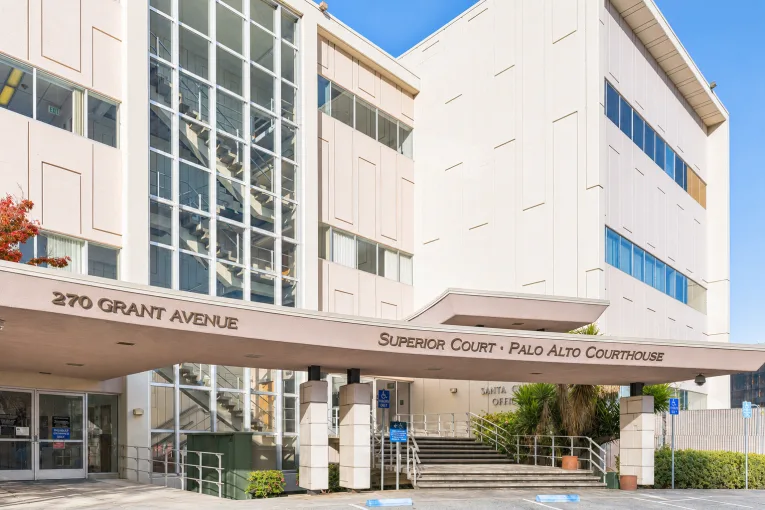
A Santa Clara County judge denied judicial diversion to an accused man facing a misdemeanor petty theft charge, following arguments from prosecutors who cited a prior diverted case. During an arraignment in Palo Alto Superior Court, Judge Karen Wynholds ruled in agreement with Deputy District Attorney Zachary Soled, declining diversion based partly on the accused’s previous petty theft diversion. The decision highlights an ongoing policy debate regarding the extent to which prior diversion cases should influence eligibility for future rehabilitative opportunities, particularly when diversion aims to prevent a criminal conviction.

Court Watch: Judge Tosses Misdemeanor for Stage 4 Cancer Patient after Police Escalation

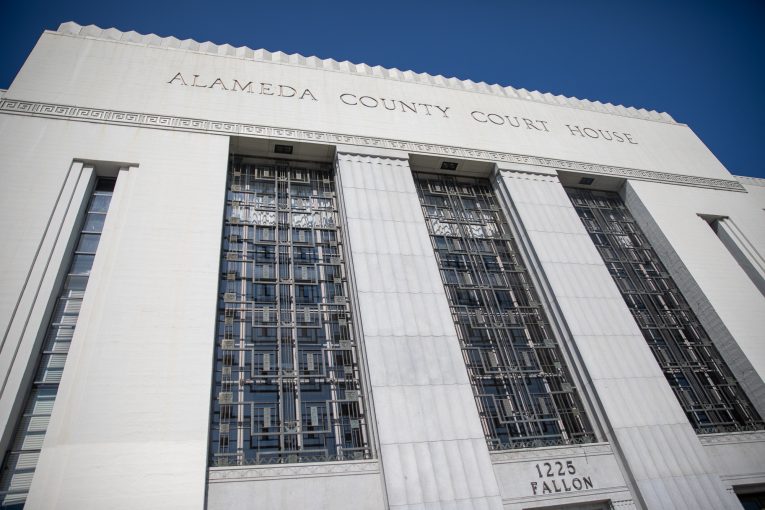
Alameda County Superior Court Judge Cara Sandberg dismissed a misdemeanor case, including charges of battery, in the interest of justice. The ruling followed arguments by Deputy Public Defender Langston Glaude, who contended that law enforcement officers unnecessarily escalated an incident inside the accused’s home, leading to injuries for a woman with stage 4 cancer who was subsequently detained for six days.

Court Watch: Court-Imposed Fines and Restitution Fees Highlight Financial Burden of Mandatory Penalties

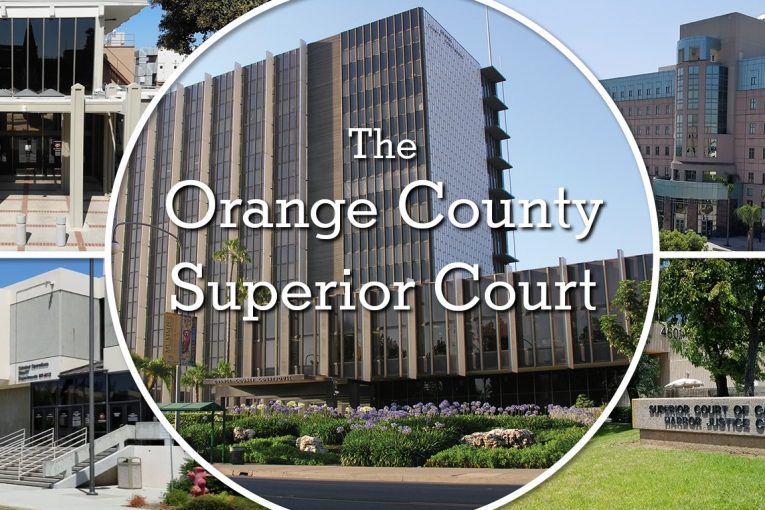
A recent court proceeding at the Newport Beach Harbor Justice Center, addressing a misdemeanor vandalism charge involving less than $400 in damage, highlighted the substantial financial obligations imposed by court-ordered restitution and associated fees. This outcome occurred despite the dismissal of multiple driving under the influence (DUI) counts under California Vehicle Code Section 23152, which prevented the imposition of informal probation. The case underscored ongoing concerns regarding the financial burdens placed upon individuals with limited resources, a dynamic frequently described as a ‘second sentence’ by financial justice advocates.