Wrongful Convictions and Plea Bargain: Why Innocent People Sometimes Plead Guilty to Crimes They Did Not Commit
 One of the big questions that emerged last week is why do innocent people plead guilty? We noted the discussion of the Alford Plea, so named because Henry Alford was accused of murder and faced the death penalty, where enough evidence existed that could possibly have been enough to cause a jury to convict him.
As Yolo County Public Defender Tracie Olson noted, “The evidence was strong but Henry said he was innocent. Henry, however, pled guilty to a charge of 2nd degree murder in order to avoid the death penalty.”
 In February, Senator Mark Leno introduced legislation that would revise the penalty for simple drug possession under the state law, from a felony to a misdemeanor. It is legislation that follows the lead of 13 other states, as well as the federal government.
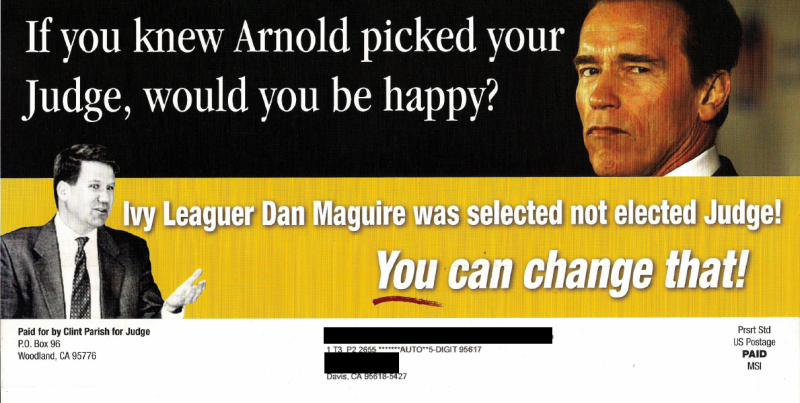
 I thought I was done talking about the judge’s race in which Clinton Parish made false and misleading attacks. After all, at some point, it simply becomes a matter of kicking the proverbial dead horse.

 Edward Carter was a 19-year-old African-American man. He was convicted of the rape of a pregnant woman in Detroit in 1974 and sentenced to life in prison. That conviction, researchers Samuel Gross and Michael Shafer say, was based entirely on the cross-racial identification by the white victim.
 Clinton Parish’s candidacy for judge effectively ended the moment that he made unchecked and unsupportable charges against his opponent, Judge Dan Maguire. The fact that they were so quickly and easily brushed aside shows either a level of desperation or just plain amateurism by the candidate.
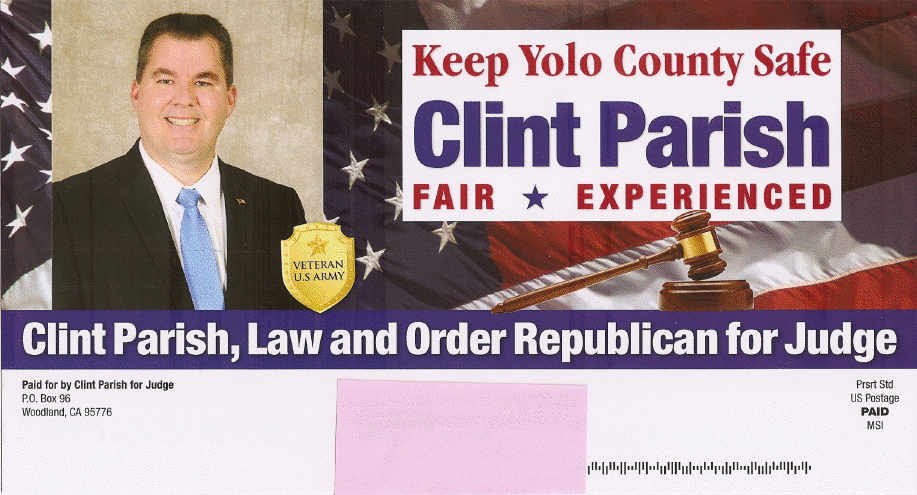 On Thursday night, District Attorney Jeff Reisig, after first standing by his man, pulled his endorsement of his own employee.
 Representatives for the defense in the misdemeanor case against bank blockers on Thursday indicated that they were not inclined to take any plea offer in this case, as that would be tantamount to acceptance of the criminalization of dissent.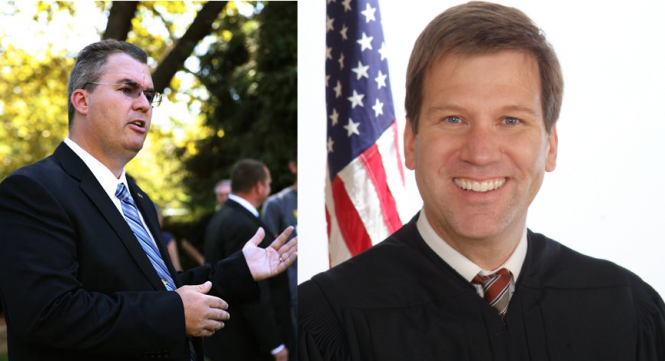
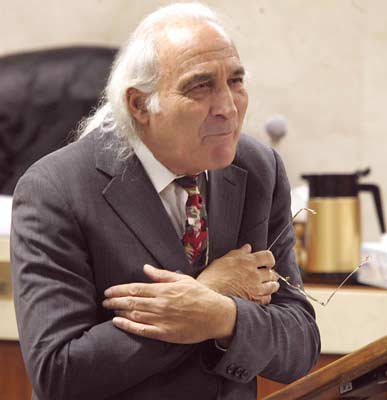 On Tuesday, Attorney Alexis Briggs made what may be her final special appearance for Thomas Matzat before Judge Timothy Fall in Yolo County Superior Court. Mr. Matzat was to be arraigned on felony charges that include five felony vandalism and 15 more misdemeanor charges.
 One of the big problems that we have identified in the criminal justice system is the lack of accountability that prosecutors have when they commit acts of misconduct. As we have noted in the past, the research done by the Innocence Project in California shows only a small number of prosecutors are sanctioned, even when acts of misconduct lead to cases being overturned.