
Ohio Gov Inks Controversial Bathroom Bill, Sparking Trans Rights Backlash
COLUMBUS, OH – Ohio Gov, Mike DeWine has signed the “Protect All Students Act,” a controversial law…

COLUMBUS, OH – Ohio Gov, Mike DeWine has signed the “Protect All Students Act,” a controversial law…

WASHINGTON, DC— Earlier this month, the U.S. Supreme Court heard the opening arguments for Garland v. VanDerStok,…
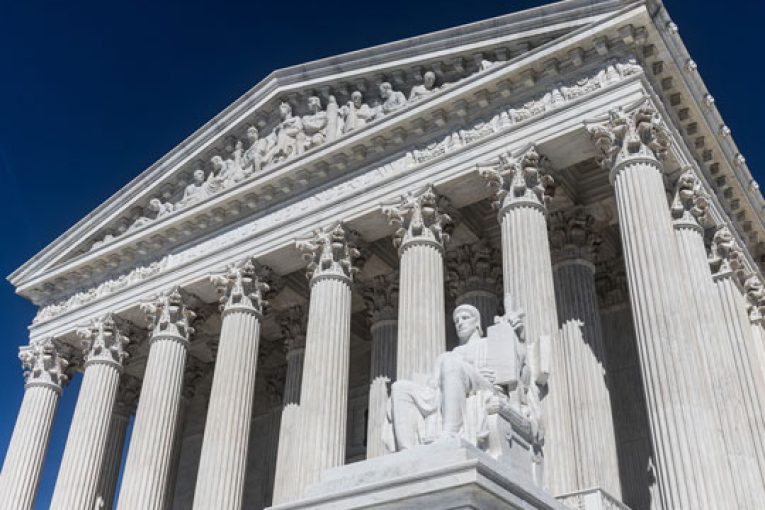
By Vy Tran WASHINGTON, DC — The U.S. Supreme Court earlier this month ruled via a 6-3…
By Connie Martinez SACRAMENTO, CA – Disability Rights California said this week it condemns the U.S. Supreme…

By Lily Rusk WASHINGTON, DC – The U.S. Supreme Court last week ruled 6-3, along conservative/progressive lines,…

By Kayla Garcia-Pebdani NEW YORK, NY – A New York Times political columnist recently commented on a…
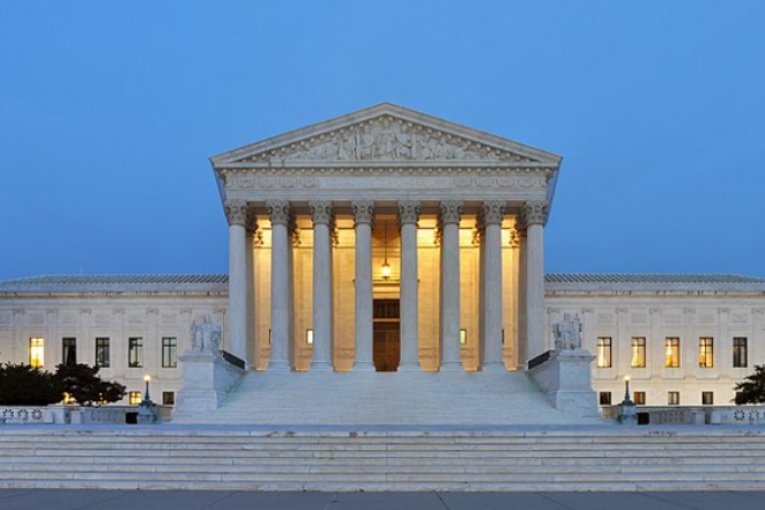
By Leela Bronner WASHINGTON, DC – The U.S. Supreme Court this week reversed a decision made by…
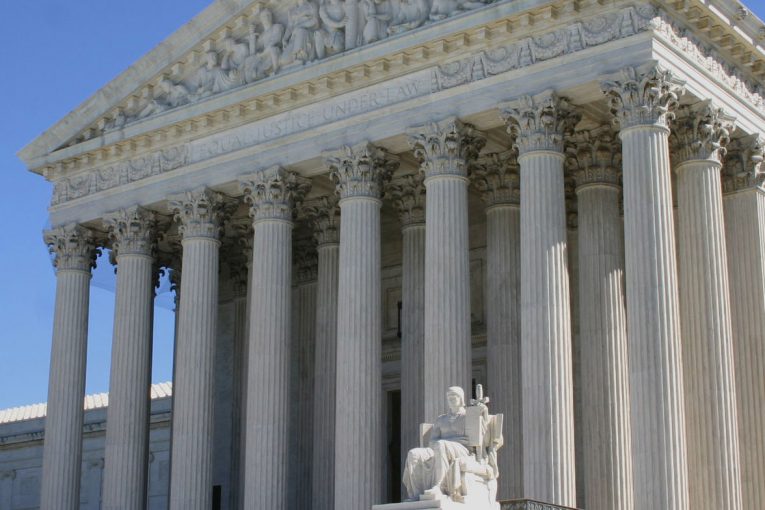
By Connie Martinez and Enola Gueta WASHINGTON, DC – Many governors in red states are using the…

By Connie Martinez LOS ANGELES, CA – The Coalition for Humane Immigrant Rights has issued a statement…

By Kaylynn Chang MCALESTER, OK — The Pittsburg County district court here this week declared Wade Lay…
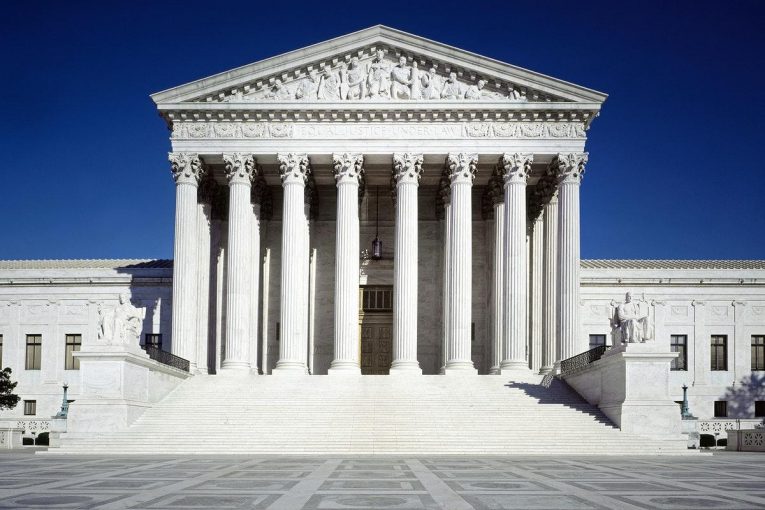
By Yana Singhal WASHINGTON, DC – In the ongoing U.S. Supreme Court case, an amicus brief argues…
By Estrella Torres WASHINGTON, DC – Matt Ford’s New Republic story highlights how prosecutors in the U.S….
By Annie Rudolph and Ella Rindt OTERO COUNTY, NM – The U.S. Supreme Court has ruled a…

By Audrey Sawyer AUSTIN, TX – Civil rights groups filed an application to the U.S. Supreme Court…

By Kaylynn Chang NEW ORLEANS, LA — The ACLU of Louisiana criticized a ruling this week by…
By Sofia Hosseinzadeh, Jonathan Nunez and Olivia Biliunas WASHINGTON, DC – The Supreme Court Monday decided to…
By The Vanguard Staff MONTGOMERY, AL – The U.S. Supreme Court could ultimately make the final decision,…

By The Vanguard Staff WASHINGTON, DC – The U.S. Supreme Court last Wednesday granted certiorari in Thornell…
By Kapish Kalita WASHINGTON, DC – “The U.S. Supreme Court’s three liberal justices on Monday sharply objected…

By The Vanguard SACRAMENTO, CA – A proposed constitutional amendment to repeal a 2008 measure approved by…
