
WASHINGTON, D.C. – Legal scholars are pushing back against recent statements from Trump administration officials, including White House adviser Stephen Miller and Homeland Security Secretary Kristi Noem, that mischaracterize key principles of federal immunity and the First Amendment, according to an analysis published by the Cato Institute.
The article highlights a growing trend in which senior officials “confidently describe the state of the law in ways entirely contrary to what had been seen as settled,” particularly on issues such as flag burning, Congress’s TikTok ban, and the limits of state prosecution over federal agents.
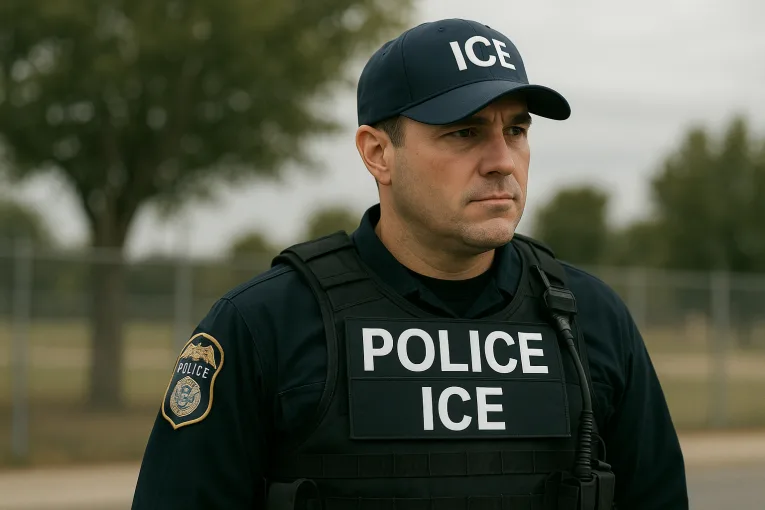
As noted in the piece, Miller appeared on Fox News on Oct. 24 and told ICE agents, “You have federal immunity in the conduct of your duties. And anybody who lays a hand on you or tries to stop or obstruct you is committing a felony.” The article clarifies that this is “not an accurate description of the state of the law.”
According to constitutional scholar Steve Vladeck, quoted in the article, federal officers enjoy what is known as “Supremacy Clause immunity” only when “(1) the federal officer was performing an act authorized by federal law; and (2) in performing that act, the officer did no more than what was necessary and proper.” When either condition fails, such as when an officer exceeds lawful authority or acts improperly, the immunity ends.
The Cato analysis noted that this prevailing rule was established by conservative federal judge Michael McConnell and allows state prosecutors to pursue charges under state law against federal agents who violate it.
The same article also addressed comments from DHS officials Noem and Tricia McLaughlin, who claimed citizens have no right to photograph or film ICE operations. McLaughlin reportedly said, “Videotaping ICE law enforcement and posting photos and videos of them online is doxing our agents,” while Noem described “violence” against agents as “anything that threatens them and their safety, so it is doxing them. It is videotaping them where they’re at.”
The analysis rejected those claims, pointing to consistent federal court rulings affirming the public’s right to record law enforcement officers. According to the article, “the seven federal circuits that have addressed the issue—the 1st, 3rd, 5th, 7th, 9th, 10th, and 11th—all agree that the First Amendment protects the right to record police performing their duties in public.”
The Cato Institute, the article noted, has filed amicus briefs in several of those cases, including Fields v. City of Philadelphia (3rd Cir. 2017), Adkins v. Department of Homeland Security (9th Cir. 2018), and Irizarry v. Yehia (10th Cir. 2022). In Adkins, two citizens arrested by border agents for taking photos at a border crossing prevailed after the court ruled their actions were constitutionally protected.
The piece concluded that misinformation from top officials poses serious risks by encouraging federal agents to act outside the law. “If agents come to believe they have blanket immunity, whatever they do, or that citizens have no right to record them,” the article warned, “they are more likely to take aggressive informal action,” such as detaining reporters or seizing phones under false obstruction claims.
According to the Cato Institute’s commentary, it is ultimately up to “the rest of us to disabuse them of that error” and reaffirm that accountability, not immunity, is the cornerstone of the rule of law.
Follow the Vanguard on Social Media – X, Instagram and Facebook. Subscribe the Vanguard News letters. To make a tax-deductible donation, please visit davisvanguard.org/donate or give directly through ActBlue. Your support will ensure that the vital work of the Vanguard continues.
