
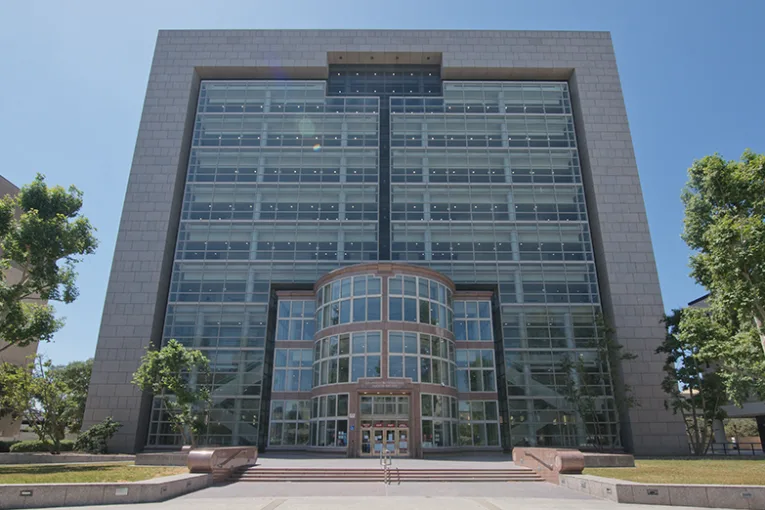
VAN NUYS, Calif. — During a Thursday morning pretrial conference on Jan. 29, prosecutors sharply questioned whether a defendant’s claimed mental health disorders meaningfully explained his underlying conduct, raising issues with potentially significant implications for the case.
A motion was presented regarding the defendant’s underlying offense, with particular focus on his mental health. A psychiatrist, Dr. Diana Avalloe, evaluated the defendant and provided findings about his condition. Prosecutor Zink questioned whether the defendant’s actions could be justified based on two mental disorders referenced in Dr. Avalloe’s report.
Eidah Hilo, the deputy public defender representing the defendant, objected to having the psychiatrist testify as a witness, but the judge allowed the testimony to proceed.
“A disorder of this dependence, you quote that it is a significant factor that plays a substantial role in the defense,” Mr. Zink said, as he questioned whether the defendant in fact suffered from mental health disorders. Dr. Avalloe was then called to the stand.
Dr. Avalloe explained that she diagnosed the defendant during a clinical interview conducted via Google Meet. She testified that the defendant was diagnosed with stimulant use disorder and unspecified depressive disorder.
According to the U.S. Department of Veterans Affairs, stimulant use disorder involves the continued use of stimulants despite harm to the person using them. The defendant had used fentanyl and other stimulants. Unspecified depressive disorder indicates insufficient evidence to confirm significant depressive symptoms that cause impairment.
Prosecutors questioned whether the virtual clinical interview constituted sufficient evidence regarding the defendant’s mental health at the time of the offense. They also asked how the diagnoses were reached.
Dr. Avalloe testified that the interview consisted of a series of questions designed to guide a logical thought process about the defendant’s condition on the day of the alleged crime. This process included review of the probation report and examination of witness statements.
She noted that the defendant showed a lack of concentration during the interview and became emotional while discussing his most recent relationship.
The prosecution emphasized that the defendant appeared distracted during the interview, noting that he was doing laundry at the time. Prosecutors suggested that the defendant’s behavior may have been influenced by factors predating the interview and challenged the psychiatrist’s professional experience.
Mr. Zink asked whether Dr. Avalloe believed the defendant was under the influence of drugs during the interview and whether reviewing his medical and criminal history would be relevant. Dr. Avalloe agreed that such information could be relevant.
Prosecutors also stated that the defendant had been a shift manager at a fast-food restaurant and characterized his actions as rebellious behavior toward his parents, noting that he was adopted.
Judge Gregory Dohi intervened, stating that he had other matters to address and that the questioning had become repetitive. Judge Dohi said the defendant suffered from substance abuse and that no conclusion could be drawn that his actions were simply rebellious.
The prosecution concluded its questioning by focusing on how long the defendant’s behavioral issues had existed and whether those issues were continuous or ambiguous, particularly if the disorder became significant only days before the crime.
“The defendant never reported himself to the police after stealing a car. How can we determine if his actions were truly justified based on his mental health decisions?” Mr. Zink said.
Judge Dohi said the claim that the defendant’s actions were against his parents was inadequate proof.
“These problems begin at home, either genetically or caused. Though that doesn’t mean disorder should justify his behavior and underlying offense,” the judge said.
Judge Dohi allowed testimony that the defendant has been diagnosed with treatable disorders. He said the defendant could improve his life by entering a residential treatment program, attending therapy and developing a strategy that could lead to dismissal of the felony charge.
Follow the Vanguard on Social Media – X, Instagram and Facebook. Subscribe the Vanguard News letters. To make a tax-deductible donation, please visit davisvanguard.org/donate or give directly through ActBlue. Your support will ensure that the vital work of the Vanguard continues.
