
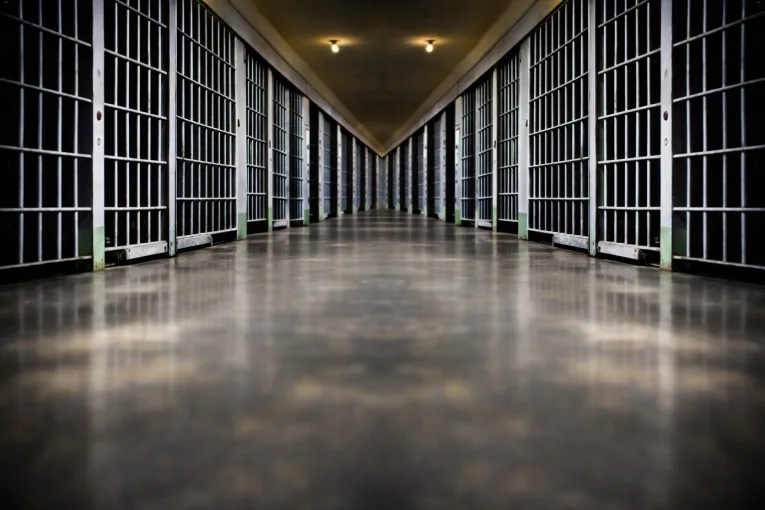
WASHINGTON, D.C. — According to Washington Monthly, President Donald Trump’s second term has leaned heavily into tough-on-crime rhetoric, proposing the reopening of Alcatraz, supporting Florida’s migrant detention site known as “Alligator Alcatraz,” and backing deportations to third countries and prisons such as El Salvador’s megaprison.
These moves are meant to send a message. As Washington Monthly put it, “the message is unmistakable: strength is demonstrated through visible severity.”
Because of this, many people assume criminal justice reform is losing momentum. However, there is more happening beyond the surface. Reform has not disappeared; it has simply become less visible and is progressing in different ways.
During Trump’s first term, reform peaked with the First Step Act in 2018. The law expanded recidivism-reduction programs, allowed sentence reductions for good behavior, banned restraints on pregnant incarcerated people, and reduced sentencing disparities.
That moment looked very different from today’s political climate. Since then, rising crime during the pandemic and debates over policing have shifted public attention.
Still, there are signs reform is progressing. For example, in 2025, the federal prison population dropped by more than 4,000 people, even as immigration detention increased.
Crime is also going down. According to the Council on Criminal Justice, homicide rates fell by 21 percent in 2025, along with declines in nonfatal shootings and property crime.
This matters because reform tends to move forward when crime is falling, not rising. Even so, there are still major disagreements about what reform should look like.
Polling shows that both Democrats and Republicans support criminal justice reform, but define it differently.
For conservatives, the main focus is usually on order and deterrence. The question is whether reform weakens consequences or undermines respect for the law. For liberals, the focus is more on fairness. They are more likely to ask whether the system is too harsh or applies punishment unequally.
The most durable and successful reforms are those that balance both concerns. Policies such as due process protections and limits on civil asset forfeiture appeal to conservative concerns about government overreach while also supporting liberal principles of fairness.
However, that balance becomes more difficult when reform shifts toward more extreme positions.
Following the murder of George Floyd, some activists called for abolishing prisons and police entirely. While the idea gained attention, it failed to win widespread support and made bipartisan reform more difficult.
Even in countries often perceived as more progressive, incarceration still exists. Nations such as Norway, Sweden and Denmark maintain prison systems, and none have eliminated incarceration for serious offenses.
Research supports a more moderate approach, showing that the certainty of being caught deters crime more than lengthy sentences, which tend to produce diminishing returns.
At the same time, incarceration still serves a purpose. It prevents high-risk offenders from committing additional crimes while confined, which is an important function of the justice system.
Many of the policies that shaped today’s system are relatively recent. The sharp rise in incarceration began in the 1970s during the War on Drugs, followed by mandatory minimums and three-strikes laws in the 1980s and 1990s.
Civil asset forfeiture also expanded during this period, allowing the government to seize property without a conviction. Critics argue that this practice conflicts with due process and the presumption of innocence.
Reform is progressing, for the most part, at the state level. In 2025, states across the political spectrum passed incremental changes aimed at improving the system.
Georgia passed the Survivor Justice Act to protect victims of domestic violence. Arkansas and Virginia reformed probation systems to focus on high-risk individuals and allow early termination for those who comply.
Other states followed similar approaches. Arizona established independent prison oversight, Oklahoma expanded earned-credit opportunities, and Nevada created new pathways for record sealing.
Another growing area of reform focuses on solving more crimes. States such as Missouri, Texas and Utah have invested in improving their clearance rates, reflecting research showing that certainty of punishment is more effective than severity.
At the federal level, the proposed Safer Supervision Act builds on these ideas. The bill would expand earned-time incentives and tailor supervision requirements based on individual risk, gaining support from both parties.
Research supports this approach, showing that incentive-based supervision systems reduce recidivism more effectively than punishment-focused models.
Ultimately, the current debate reflects a broader tension in criminal justice policy. Some leaders emphasize visible displays of toughness, while others push for sweeping systemic change.
However, evidence suggests neither extreme is as effective as incremental, evidence-based reform. Policies that focus on measurement, incentives and gradual change tend to produce better long-term outcomes.
In that sense, criminal justice reform has not disappeared. It has simply become less visible, more localized and more focused on practical results than political messaging.
Follow the Vanguard on Social Media – X, Instagram and Facebook. Subscribe the Vanguard News letters. To make a tax-deductible donation, please visit davisvanguard.org/donate or give directly through ActBlue. Your support will ensure that the vital work of the Vanguard continues.
