Alec Smith was twenty-six years old. He rationed insulin. He tried to make it last. He died in his apartment in Minnesota because a vial of liquid that costs six dollars to make was sold for three hundred. He died so the shareholders could get their dividend. He died so the CEO could get his bonus. He died so the quarterly earnings report would look good.
His mother found him. She had been trying to help him navigate the insurance system. She was hours too late.
Crisis equals revenue.
The more pain the public feels, the more money the corporation makes. This isn’t a malfunction. It’s the design. The system doesn’t fail. It feeds.
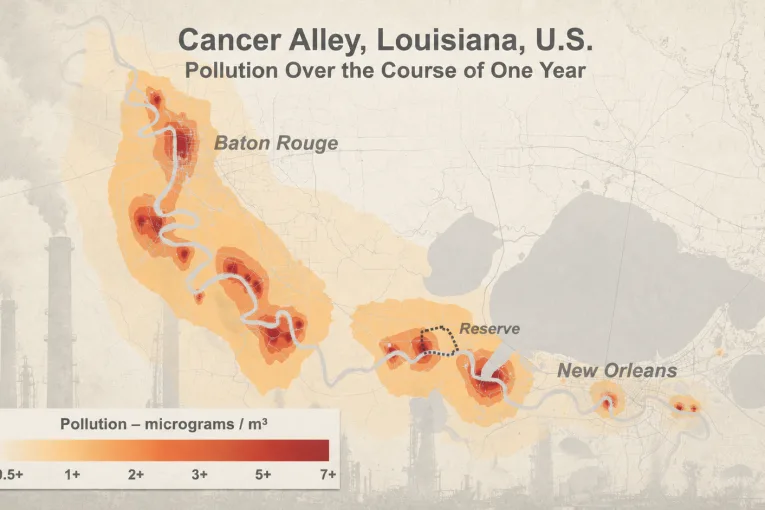
Cancer Alley stretches along the Mississippi River in Louisiana. The petrochemical corridor. Mostly Black communities. Mostly poor. The refineries pump toxins into the air and water. The people breathe it. The children get sick. The tumors grow. The funerals multiply. The oil companies knew. The government permitted it. The people died. The stock price stayed strong.
Exxon knew about climate change in the 1970s. They funded the denial. They paid the think tanks to publish the lies. They bought the politicians to kill the regulations. They drilled anyway. They burned the planet anyway. They made the money anyway.
Deepwater Horizon. BP cut corners on safety to save money. Eleven workers died on the rig. The Gulf Coast was devastated. The fisheries collapsed. The beaches blackened. The fine was a fraction of their profit. The crisis was the product. The profit was the receipt. The bodies were the cost.
Purdue Pharma lied about OxyContin. They said it wasn’t addictive. They pushed it on doctors. They pushed it on patients. They created the epidemic. Then they sold the treatment. The bill came with interest. The patient died. The stock went up.
The family that lost their home in 2008. The bank got bailed out. The family got a foreclosure notice. The executives got bonuses. The workers got nothing. Wells Fargo created fake accounts in the names of real people. They stole the identities. They stole the money. They crashed the economy and then lent the money back at interest. They own the debt. They own the house. They own the life. The crisis is the opportunity. The bailout is the gift.
PG&E deferred maintenance for years to boost shareholder dividends. The equipment failed. Paradise, California burned. Eighty-five people dead. The town erased. The fine was a fraction of their profit. The electricity was a monopoly. The crisis was manufactured. The dividends were paid.
A woman in the Congo stands next to her son. He is seven. They both dig cobalt out of the earth with their bare hands. The cobalt goes into the batteries in our phones. The phones go into our pockets. The profits go into the accounts of companies we can name. The blood stays on his hands. The crisis is made there. The profit is taken here. The global south pays in blood so the global north can pay in stock options.
How did we get here? Deregulation.
The gutting of the agencies that were supposed to protect us. Citizens United. The legal bribery that lets corporations buy the politicians. The revolving door where the oil executive becomes the environmental regulator. The pharma lobbyist becomes the health policy advisor. The bank executive becomes the treasury secretary. The laws that made this legal were written by the lobbyists who profit from them. The system isn’t broken. It’s working exactly as intended.
What does it do to a person to live in perpetual crisis? The anxiety. The depression. The trauma. We are being made sick by the system and then sold the cure for the sickness the system caused. The therapy app on the phone made by a company that invests in the fossil fuels that give you climate anxiety. The pill that treats the depression caused by the debt owed to the bank. The loop is the profit. The sickness is the revenue. The cure is the subscription model.
But some people are refusing to be the raw material. In Staten Island, Amazon workers voted to unionize against the second largest employer on the planet. The UAW walked out on the picket line and won record contracts. Nurses walked out for safe staffing and won. Tenants in New York refused to pay rent during a pandemic and won eviction protections. The movement in Chile rewrote the constitution to prioritize water as a human right over a commodity. The Zapatistas in Chiapas built autonomous communities where healthcare and education are free and the land is held collectively. These aren’t protests. They are refusals. They are fighting back against the crisis because they know the crisis is manufactured. They know the pain is the product. They know their labor is the fuel. They are refusing to burn.
What does a world look like where crisis isn’t profit? Bolivia nationalized its lithium and used the profits to fund healthcare and education for the poorest communities. Finland built a housing-first system that gives people homes before they get clean. The approach costs less than leaving people on the street. Scotland made water a public trust and charges households a fraction of what private systems charge. These aren’t utopias. They’re choices. Different choices. Different results. The question isn’t whether we can afford to treat life as a right. The question is whether we can afford not to.
You cannot regulate this. You cannot tax this. The profit is the goal. The people are the cost. If you remove the profit, the company dies. If you remove the company, the people live. You do not fix the machine. You destroy the machine.
Alec Smith was twenty-six.
He had a name.
He had a mother.
He had a life that could have been saved by a vial of liquid that costs six dollars to make.
The machine didn’t care.
The machine never cares.
The machine only feeds.
Remove the profit. Remove the machine.
The people live.
Follow the Vanguard on Social Media – X, Instagram and Facebook. Subscribe the Vanguard News letters. To make a tax-deductible donation, please visit davisvanguard.org/donate or give directly through ActBlue. Your support will ensure that the vital work of the Vanguard continues.