
SAN FRANCISCO, Calif. — The mother of an accused man facing competency-related proceedings urged a San Francisco Superior Court judge to ensure her son receives long-term treatment, expressing concern that he could return to the streets without adequate care after approximately two decades of substance use.
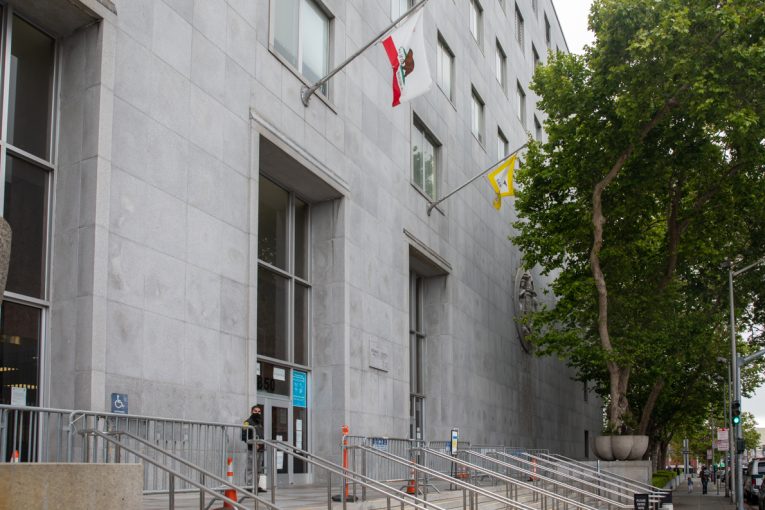
During a hearing in Department 15 at the Hall of Justice, Judge Charles Crompton explained that the court could not determine how long the accused would remain hospitalized once transferred for treatment.
The accused was not present during the hearing, where attorneys briefly discussed his competency status and the process of transferring him to a state hospital.
As the attorneys addressed the transfer, a woman seated in the courtroom gallery stood and asked to speak about her son. Two other family members accompanied her.
The mother told Crompton that her son had struggled with substance use for approximately 20 years and needed extensive treatment to address his condition.
She asked whether he could be placed at a state hospital in San Bernardino, which she believed would provide the care he needed.
The mother said she hoped treatment could “help him become a man again,” emphasizing her concern about his ability to recover and establish stability outside the criminal legal system.
Crompton explained that the accused would be transferred for treatment but that the specific hospital placement had not yet been determined.
He also told the family that decisions concerning the duration of hospitalization were not within his direct control.
The mother expressed concern that a relatively short period of treatment would not adequately address her son’s needs following years of substance use.
“Six months is not enough,” she told the court. “Can you please take my words into consideration?”
She indicated that she believed her son needed approximately two years of treatment and worried that he would return to the streets without sufficient support if released earlier.
The mother also emphasized that her son’s circumstances affected the entire family, which had experienced the consequences of his substance use and repeated involvement with the criminal legal system.
“His family is part of this,” she said. “We are all affected and having to go through this.”
Crompton reiterated that the duration of hospitalization would depend on decisions made through the state hospital treatment process and that the court could not guarantee the length of treatment the family requested.
Under California Penal Code Section 1370, individuals found incompetent to stand trial may be placed in treatment programs intended to restore their ability to understand criminal proceedings and assist in their defense.
Competency restoration differs from long-term substance use treatment because its immediate legal purpose is to determine whether the accused can become competent to participate in criminal proceedings.
The California Department of State Hospitals evaluates individuals receiving competency restoration services and reports when they have regained competency or are unlikely to do so within the applicable legal period.
State law also establishes limits on the duration of competency restoration commitments and procedures for returning individuals to court when their legal status changes.
These requirements mean that the length of a competency restoration commitment does not necessarily correspond to the duration of treatment a person or family believes is necessary to address an underlying substance use disorder.
The mother continued to express concern that the treatment process might not provide sufficient time for her son’s recovery.
Crompton did not identify the state hospital where the accused would be placed or establish a specific duration of treatment during the hearing.
The family members left the courtroom after the discussion, while the accused’s transfer remained pending.
To comment please go to one of these social media platforms:
Facebook: https://www.facebook.com/DavisVanguard
LinkedIn: https://www.linkedin.com/company/peoples-vanguard-of-davis-inc/
Instagram: https://www.instagram.com/davisvanguard/
X: https://x.com/davisvanguard
Bluesky: https://bsky.app/profile/vanguardnewsgroup.bsky.social
Subscribe to the Vanguard News letters. To make a tax-deductible donation, please visit davisvanguard.org/donate or give directly through ActBlue. Your support will ensure that the vital work of the Vanguard continues.
