
WASHINGTON, D.C. — Medicaid is one of America’s most effective crime prevention tools, and last month, Rep. Al Green (D-TX) was censured on the House floor for interrupting President Trump’s address to Congress by repeatedly shouting that Trump had “no mandate to cut Medicaid,” according to a blog post from Dream.org.
With millions of Americans relying on Medicaid for health coverage, proposed cuts to the program as part of the House-passed budget resolution in March could have devastating consequences.
As a federal health care program, Medicaid supports working, low-income Americans by providing access to basic health care, mental health services, and addiction treatment, Dream.org explained.
Although President Trump previously promised that Medicaid would not be affected by budget reductions, the financial demands of the new resolution, according to Dream.org, “have made it impossible to find the necessary cuts without cutting Medicaid.”
Recent reports suggest that cutting Medicaid is essential to meeting budget targets, as the House committee would remain “$600 billion short” without reductions to healthcare spending, Dream.org noted.
Beyond primary health services, Medicaid also funds preventive care that reduces expensive emergency room visits and supports efforts to combat the opioid epidemic. Medicaid expansion has been associated with a nearly 10% reduction in opioid-related hospitalizations, which in turn lowers long-term health care costs.
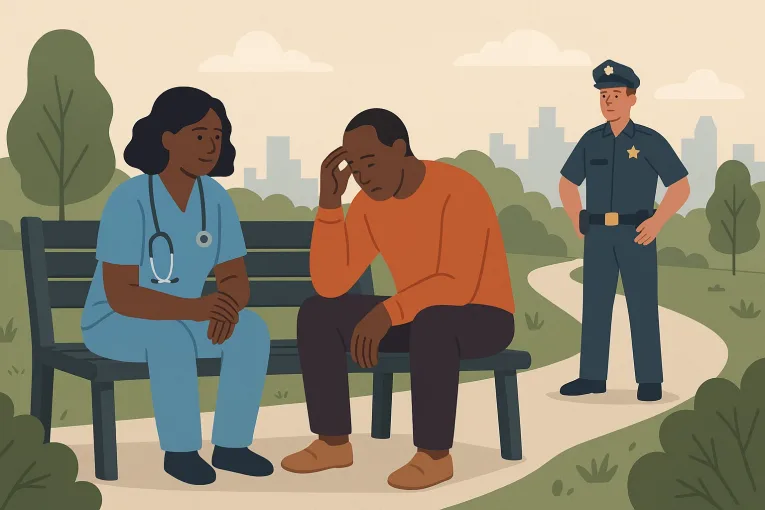
Critically, Dream.org emphasized, Medicaid plays a significant role in crime prevention—particularly drug-related offenses. Research cited by the National Library of Medicine found that the program “creates new avenues for individuals to receive treatment and avoid criminalization,” and is linked to a decrease in drug-related arrests.
Other studies have similarly shown that increased access to addiction treatment through Medicaid expansion helps reduce crime. For example, Dream.org highlighted that Medicaid cuts in Tennessee in 2005 led to a documented increase in crime rates.
“Public safety has always been a bipartisan issue,” Dream.org stated, pointing to polling data showing that crime has become a growing concern for both Democrats and Republicans since 2021.
“Whether the perception of crime rising or falling is accurate or not, far too many people identify as victims of crime,” the organization added. “If it is important to find savings, we should remain committed to cost-effective strategies to reduce crime and protect our communities—without relying solely on incarceration.”
While GOP leaders argue that their plan focuses on adding work requirements rather than directly cutting Medicaid, Dream.org warned that such requirements would cause many working individuals to lose coverage. In Michigan, for instance, 69% of Medicaid recipients said the program helped them improve at work by making it easier to maintain or pursue employment.
Despite Republican claims that the new budget will produce long-term savings, the proposed cuts could reduce or eliminate federal health coverage for over 1.5 million Americans, Dream.org concluded.
“We should be doing everything we can to keep people safe, prevent vulnerable individuals from turning to crime, and provide resources for those with mental health challenges,” the nonprofit declared.
“One of the cheapest and most effective ways to prevent crime is to provide people with the health care, mental health treatment, and substance abuse support they need. Cutting Medicaid would increase crime risk and undermine public safety,” Dream.org stated.
