Key points:
- San Quentin hosts first-ever Fiesta de San Salvador.
- Event celebrates Centro-American and Salvadoran heritage.
- San Quentin’s rehabilitation efforts face challenges from harsh immigration policies.
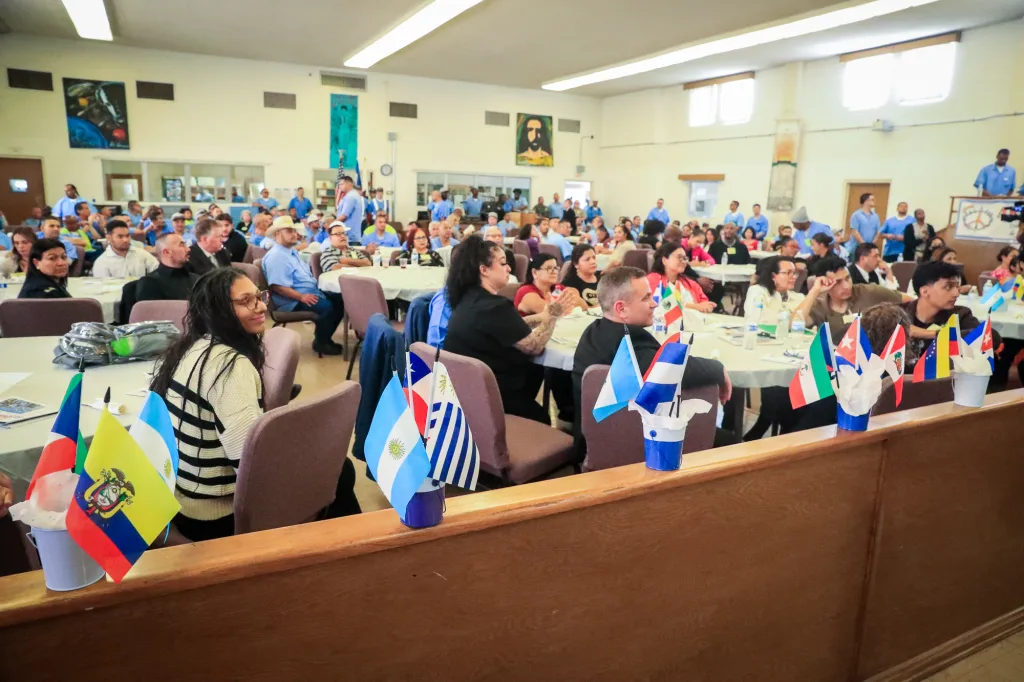
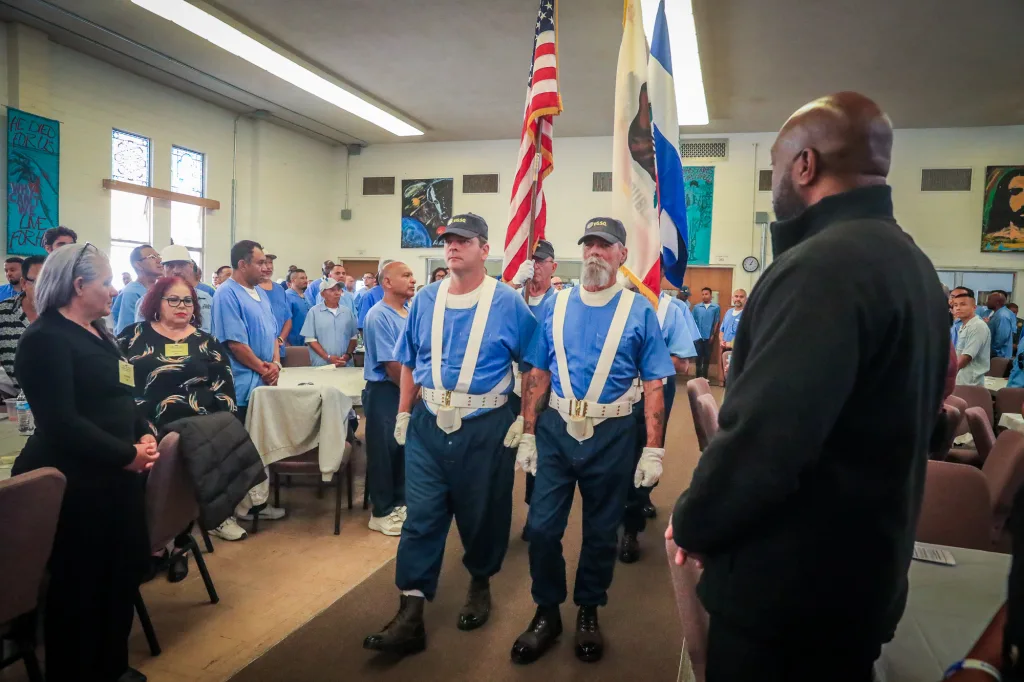
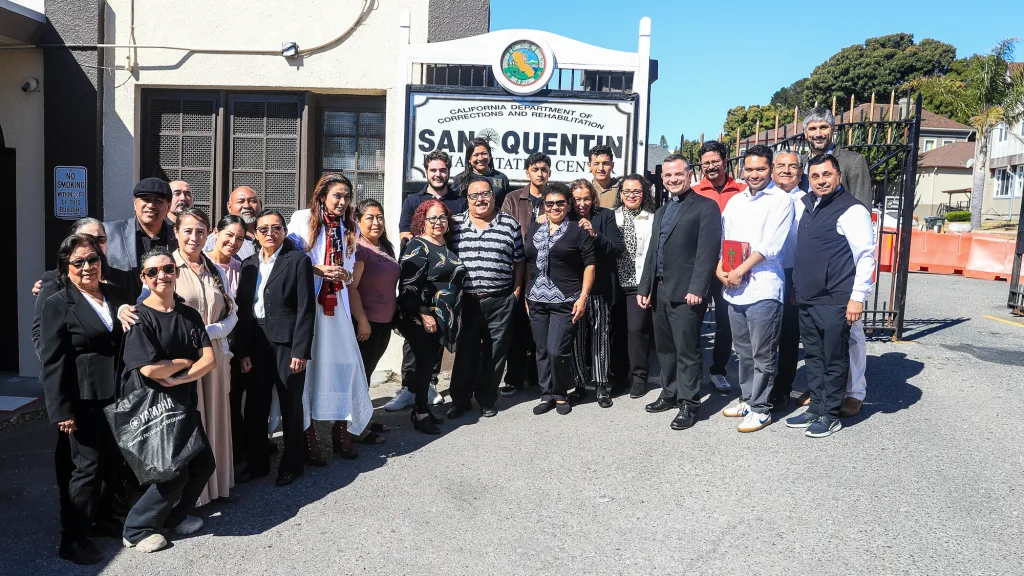
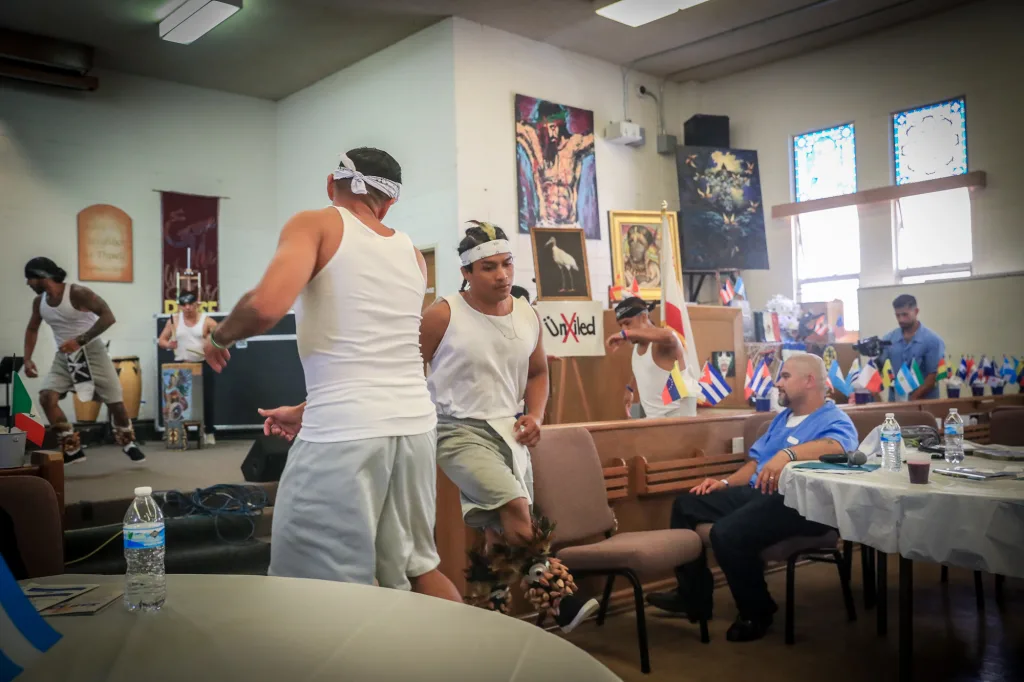
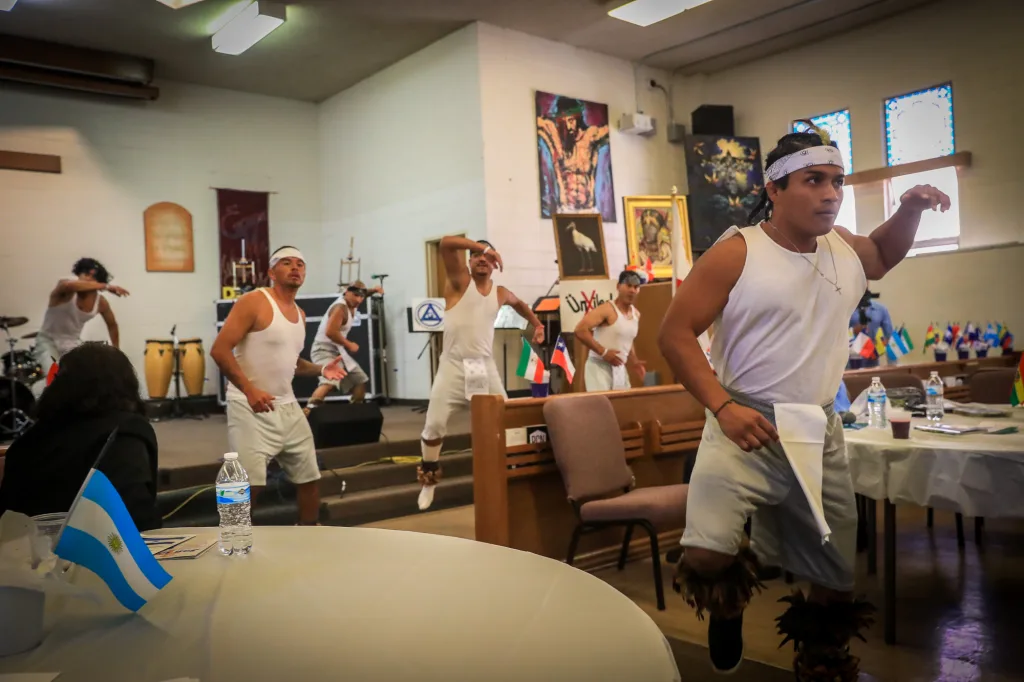
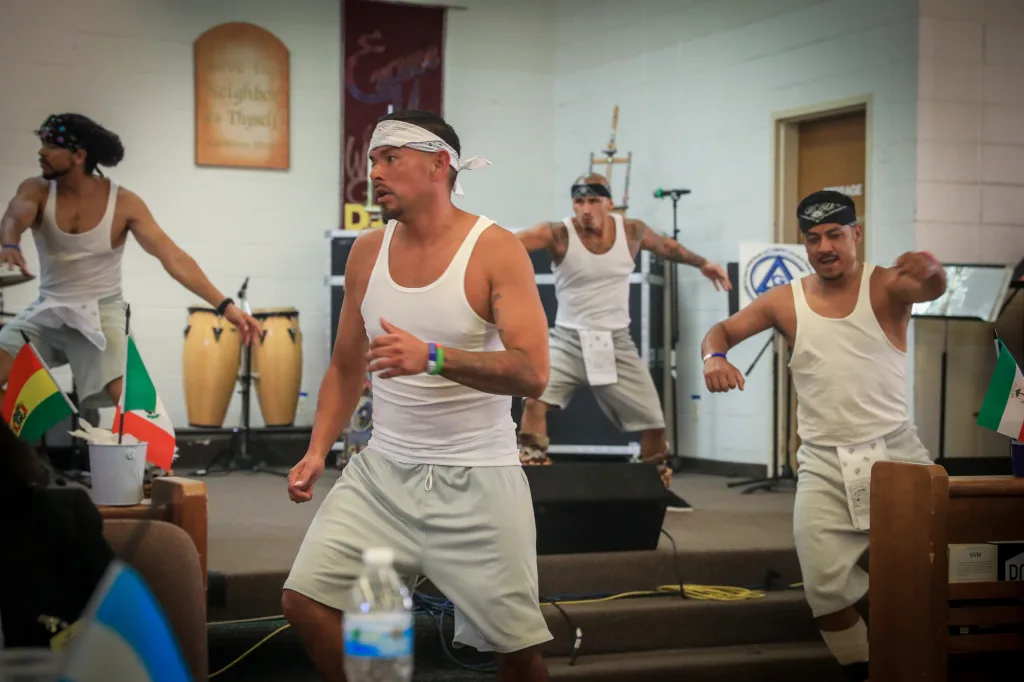
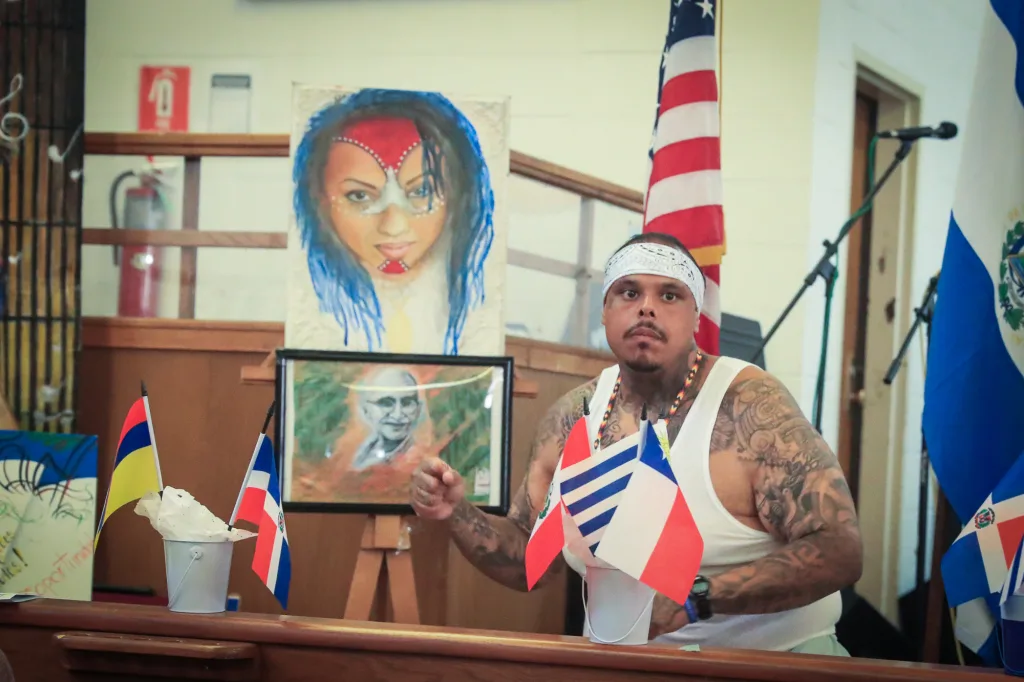
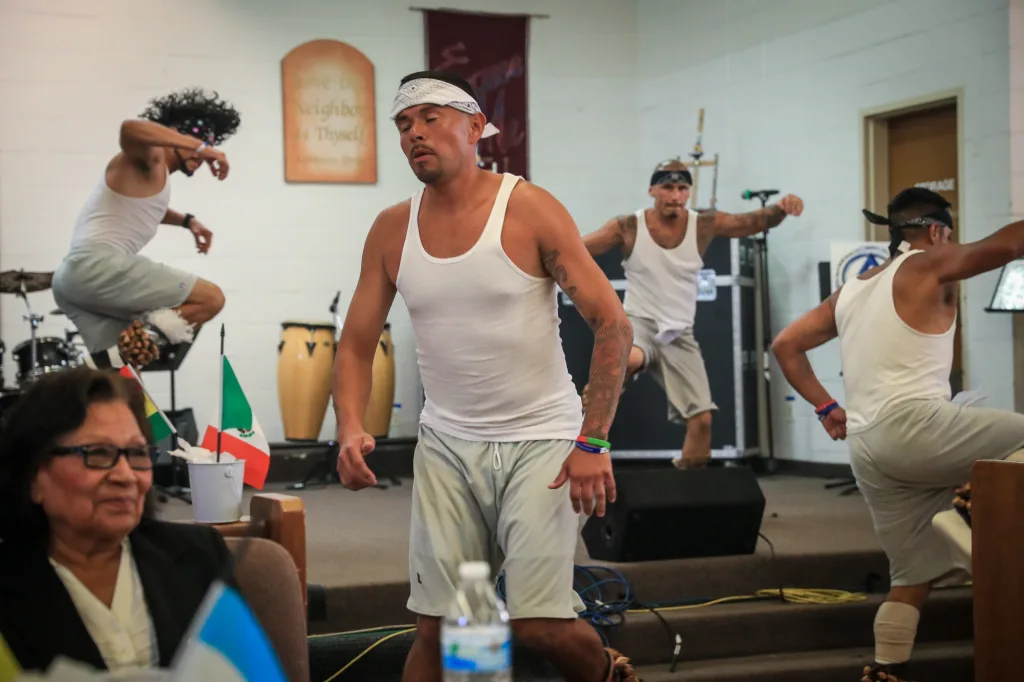
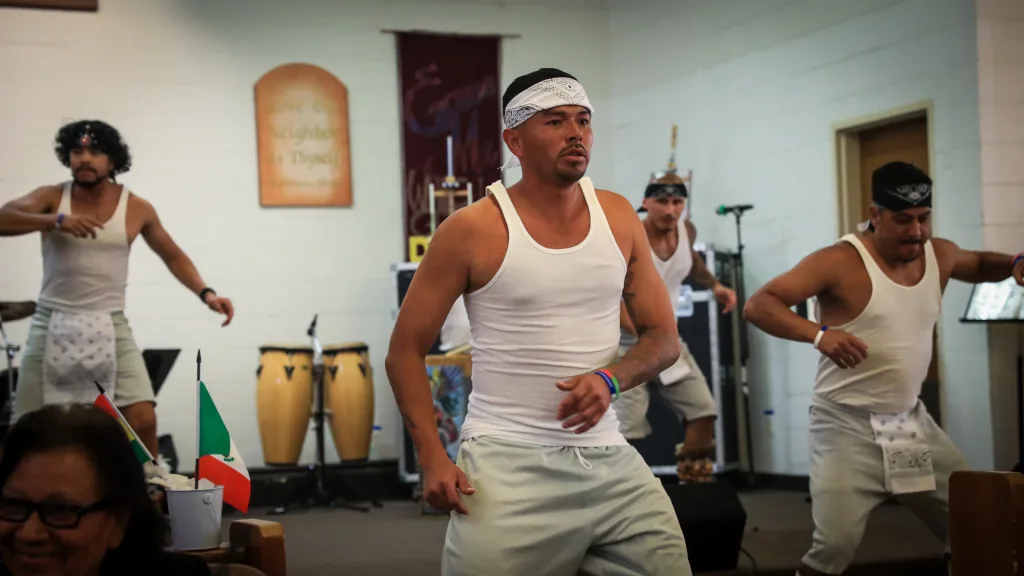
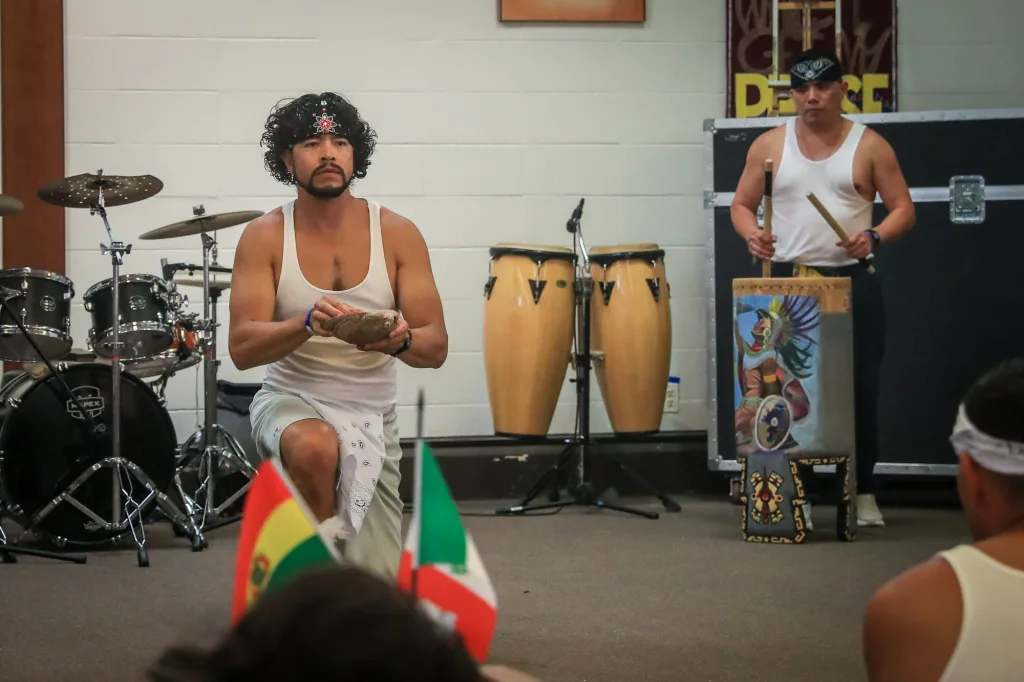
SAN QUENTIN, Calif. — On Friday, the San Quentin Rehabilitation Center hosted its first-ever Fiesta de San Salvador, a celebration of Centro-American and Salvadoran heritage that blended music, indigenous dance and traditional food with a sobering dialogue about rehabilitation, immigration policy and the threat of deportation for many in the prison’s immigrant population.
The event, organized by the San Quentin News, honored El Rey del Mundo, or the Transfiguration of Jesus Christ — a date of deep cultural and religious significance in El Salvador. For the incarcerated Salvadoran community, it was an important opportunity to publicly share their traditions with the broader San Quentin population and visiting guests.
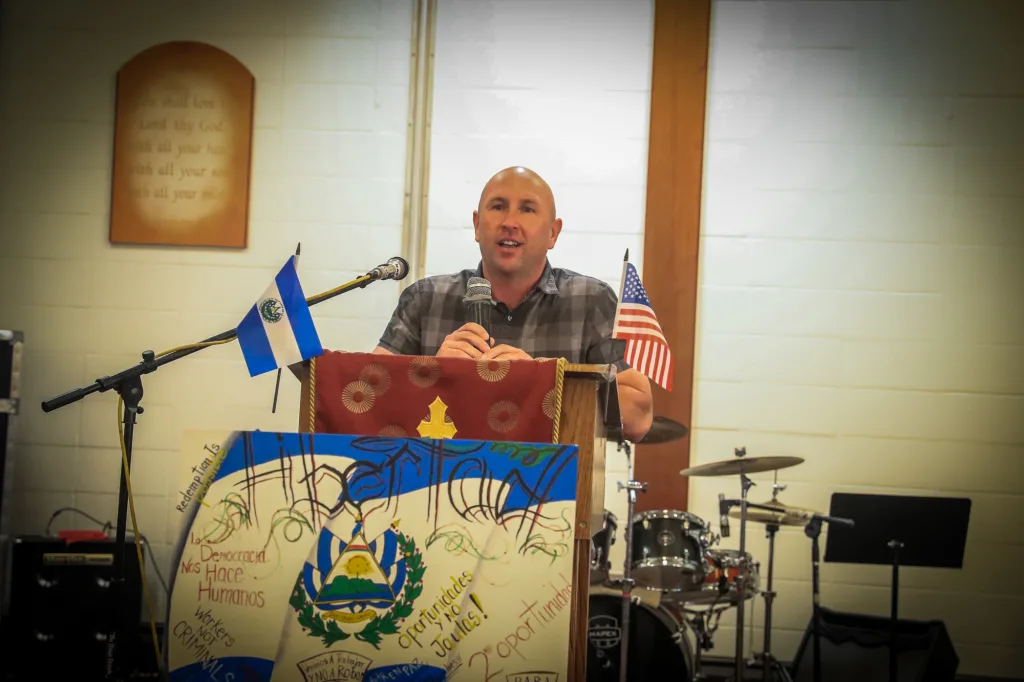
Warden Chance Andes opened the day with a message about inclusion. “I’m honored to share your holiday with you today,” he said.
“We share a day of culture in rehabilitation for all, and that’s really what it’s about. I don’t think anybody does it better than San Quentin. I look in the room and I see the diversity in the room. I see the support from other cultures and it’s truly amazing.”
Andes contrasted San Quentin with other prisons where cultural programming is scarce.
“We believe equal opportunity for all cultures to have the experience of rehabilitation. Our goal is when you go back to your society, regardless of what country you go to, you can truly be rehabilitated and be a contributing member of society.”
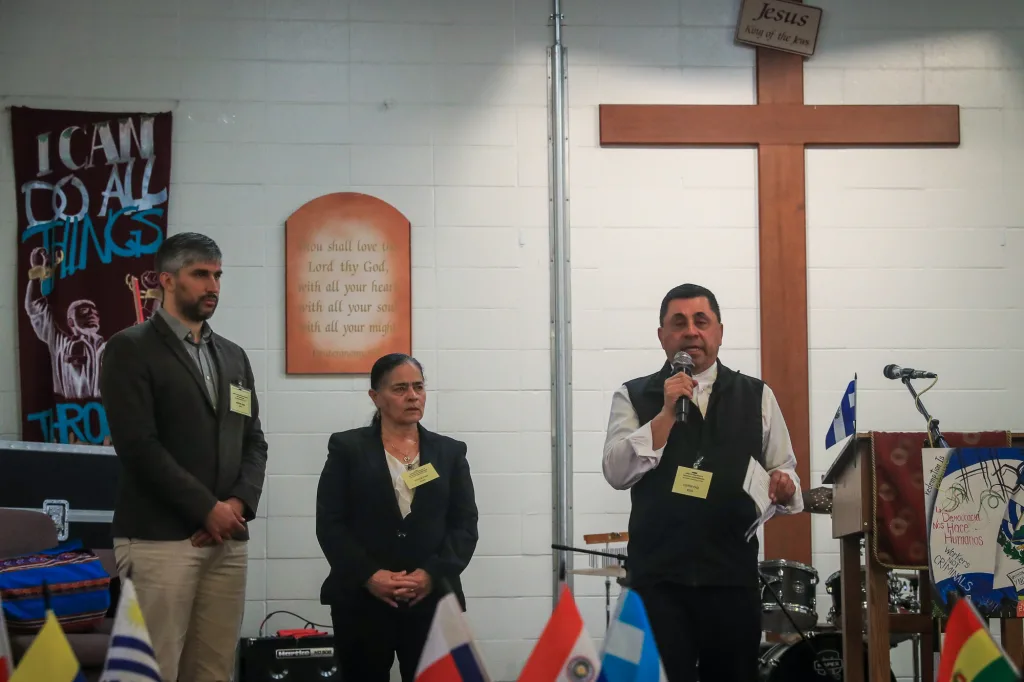
Julio Escobar, who works for the Archdiocese of San Francisco, told the audience that restorative justice is something you have to live, not just read about. His ministry began in 1995 with direct outreach to gang members on the streets of San Francisco. By 1999, his team was meeting Norteño members at parks in the Mission District, bringing backpacks of burritos and sodas to build connections.
The work was about “transformational of the heart,” he said, because while they could not offer housing or jobs, they could offer relationships, compassion and consistency. That meant meeting the same people later in juvenile hall, accompanying their families in court, and standing with them at vigils and funerals.
“That’s what it took to do restorative justice practices, not from a book,” Escobar said.
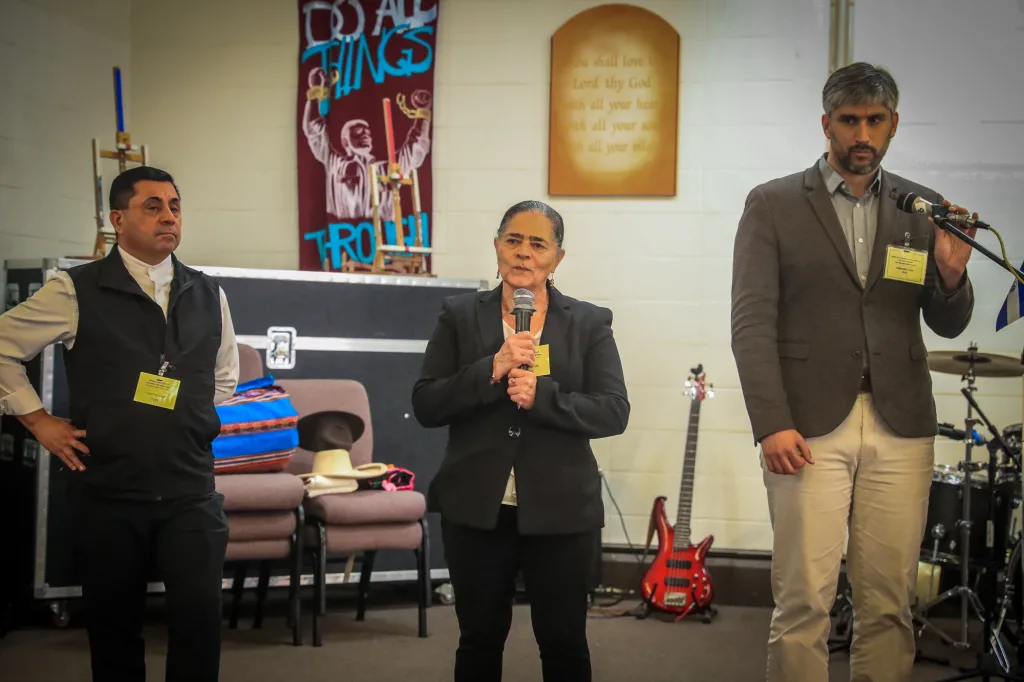
He introduced Esperanza Navas, whose only son was shot and killed in 1999. Through a translator, Navas recounted how her son had joined a gang for protection after arriving in the United States, but later sought help to leave that life.
She said he began advising friends to choose a better path, and his humility and sincerity inspired others — including her — to change. After his death, she committed herself to preventing other young men from going down the same road.
She told the crowd she had replaced hatred with love, “not because of my grace, but the grace of God.” Escobar praised her as a “true example of restorative justice” for returning to work inside jails to encourage transformation, despite the personal pain she carried.
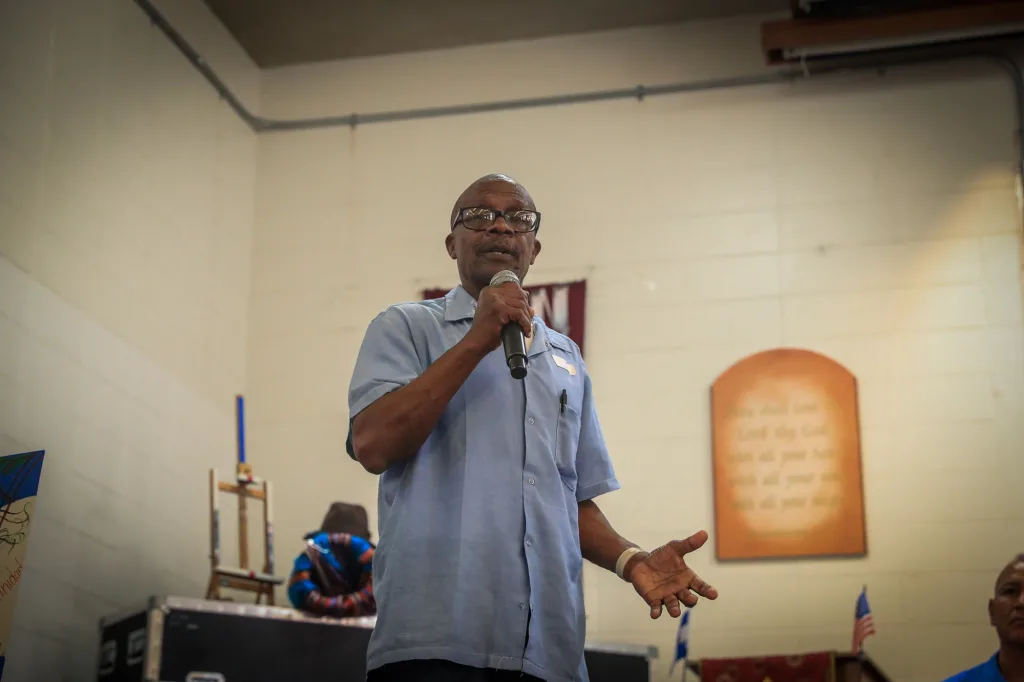
The day’s panel discussion, moderated by journalist and San Quentin resident Juan Moreno Haines, moved quickly to a central concern: what happens to rehabilitated residents who, upon being found suitable for parole, are turned over to federal immigration authorities and deported to countries where they face indefinite detention or worse.
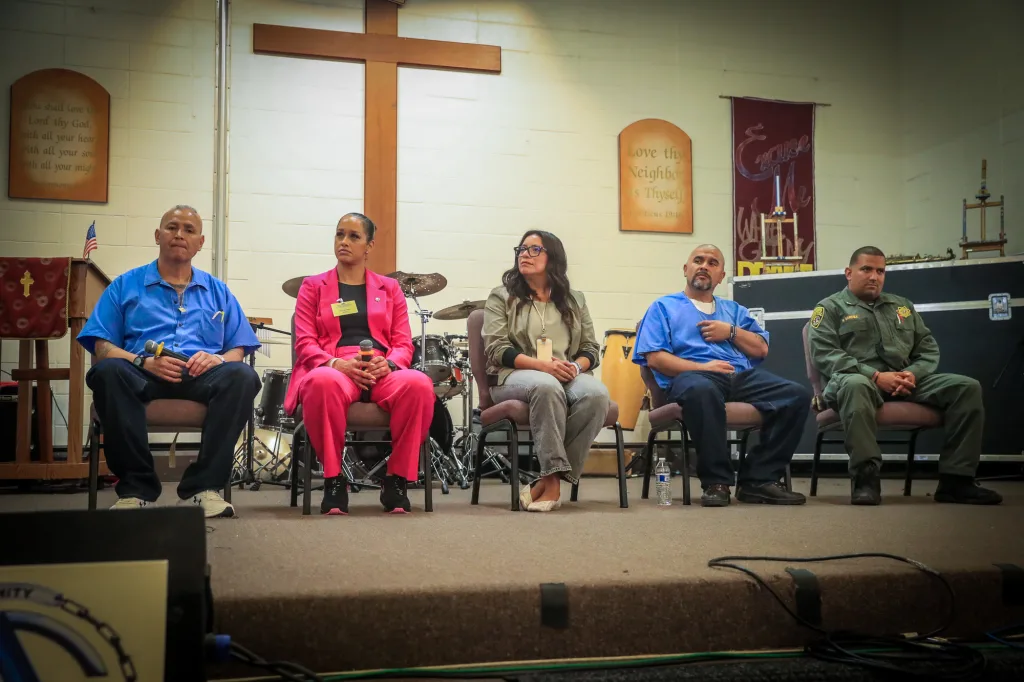
San Francisco District Attorney Brooke Jenkins, whose father is Salvadoran, has spent the last two years visiting San Quentin for regular symposiums with residents. She described how those visits have reshaped her thinking.
“During the prosecution process, what we see is a case file. We don’t get to know the individual behind the case,” she said. “This gives us the ability to come in and try to understand the failures in the system that led to your incarceration… What can we do to be more proactive to prevent crime rather than be reactive once somebody has committed the crime?”
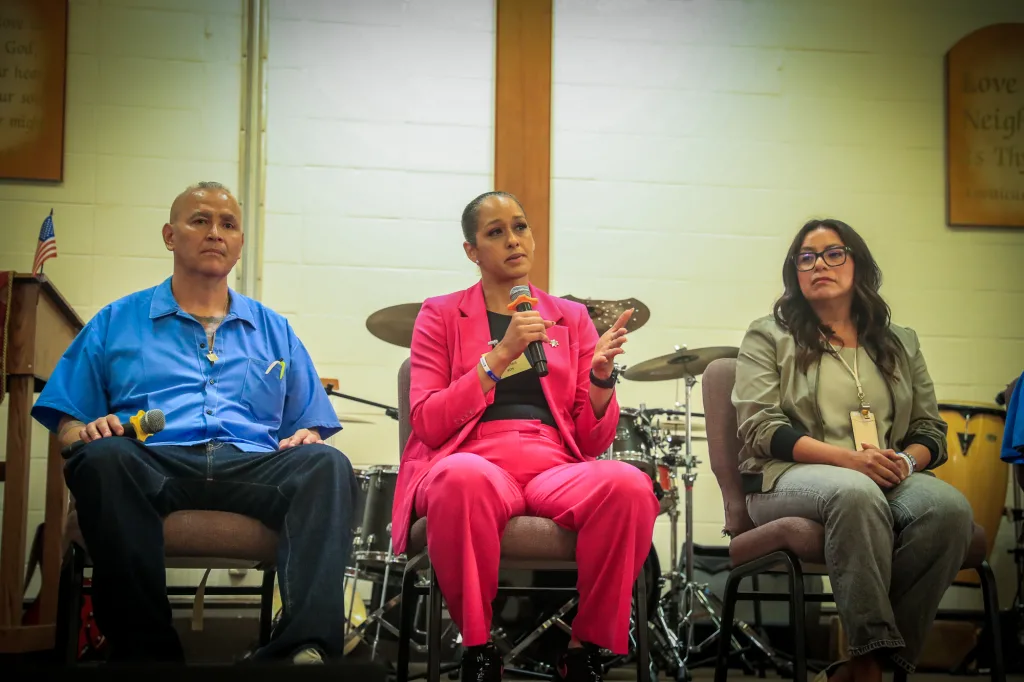
On the immigration issue, Jenkins was unequivocal about her discomfort with adding punitive measures after a sentence is complete.
“When somebody has done their time, they have paid for the crime that they committed, the fact that tacking on then another collateral consequence and what that means for their lives… we have to be able to have those conversations with our elected officials and demand that government look at the fairness in the equation,” she said.
“It is unfair that somebody has to make a choice between saying, I will skip my parole hearing so that I stay here versus be judged in a system that right now has removed due process and be re-incarcerated for something I’ve already been determined to have served my time for.”
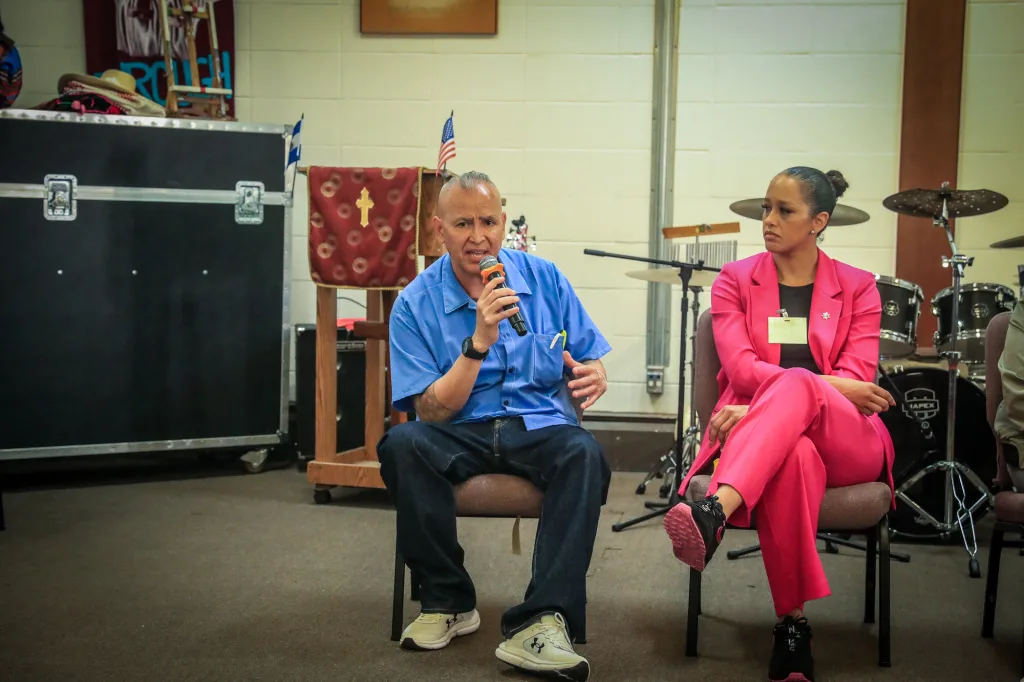
Edwin Chavez, a San Quentin resident, who organized the event, provided one of the day’s most personal and harrowing accounts. Chavez explained that his brother, Gabriel V. Chavez, came to the United States from El Salvador at age 9, lived as an undocumented immigrant and was incarcerated at 16 for a gang-related murder.
He served 32 years in a California prison before being transferred to an ICE detention facility for two more years. Upon deportation to El Salvador — a country he had not seen in more than four decades — Gabriel was immediately arrested and imprisoned solely for having tattoos.
“My brother was able to rehabilitate himself in an environment that is not conducive to change — a Level 4 prison,” Chavez said. “To hear your own mother say, ‘They just killed my son’ was one of the hardest things to process. I didn’t have the right words to console her. She can’t hear his voice over the phone, see him or even correspond with him, so she doesn’t know if he’s alive.”
Chavez, who has also committed himself to personal reform at San Quentin, said the situation makes him question his own future. “Yes, we committed crimes, but in the course of that comes the journey of rehabilitation and reform,” he said. “I believe in change. My crime does not define who I am. But I think it is wrong that, just because of the way I look, I should be sent into a black hole. If I take my shirt off right now, maybe some guys might be scared because of my tattoos. But you don’t know what I’ve done as far as rehabilitation and transformation.”
He added that Salvadoran policy under President Nayib Bukele makes deportation a near-certain path to imprisonment for those with any past gang affiliation or visible tattoos, regardless of current conduct.
“Foreign countries should be looking into what we do at San Quentin,” Chavez said. “San Quentin is a unique place. Here, we have the opportunity to transform and give back. Why send us to a place where none of that matters?”
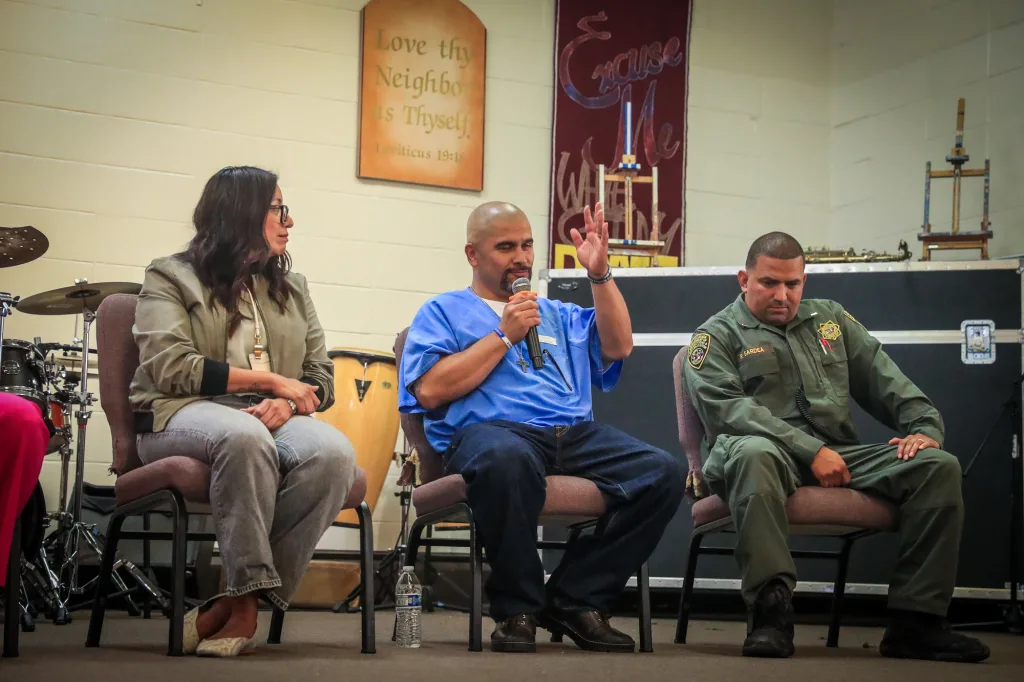
Arturo Menendez, who works in San Quentin’s Catholic Chapel, told the panel that even after years of personal transformation, his future could still end in a Salvadoran prison. “Here, not only was change possible for me, they allow me to do things within the community to help others change. But if the board finds me suitable, I have to worry about being deported to El Salvador and locked up again for old affiliations. That’s my concern.”
Jenkins said the choice faced by people like Menendez and Chavez — between remaining incarcerated in a rehabilitative environment or facing near-certain re-imprisonment abroad — is one California must address.
“We as a state have to figure out what is our answer to this particular problem, particularly for people from El Salvador who are facing what they’re facing right now,” she said. “That might require some extreme level of work on our parts or decisions on our parts that we wouldn’t ordinarily make, but it’s something that needs to be discussed. What are all the mechanisms that we have to protect against this particular issue?”
The conversation drew in community voices.
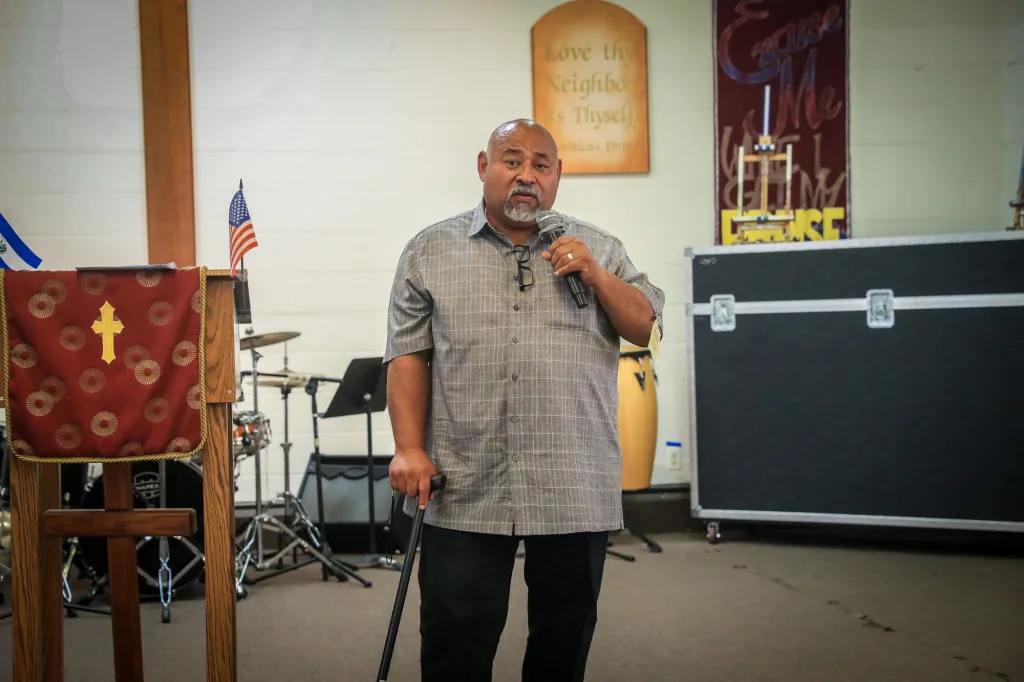
Alex Sanchez, executive director of Homies Unidos, said he had been deported to El Salvador and later returned after winning political asylum.
“There are ways in which people are fighting those cases of immigration through what’s called a convention against torture,” Sanchez said. “But we have an administration right now that’s coming after all of us. I have a green card. I’m not a U.S. citizen, and I’m afraid to apply now for citizenship.”
Chief Deputy Warden Rosa Rosalez, the first Latina to hold the role at San Quentin, said she would welcome proposals aimed at preventing deportations that undo the work of rehabilitation.
“As an individual, I can wholeheartedly say that I would support it,” she said. “As an employee of the department, you can present me any proposal and I will do my very best to make sure that the highest levels of this department review it for consideration.”
By the end of the day, the Fiesta de San Salvador had accomplished more than cultural celebration.
It had created a forum where a prison warden, a big-city district attorney, community advocates and incarcerated residents spoke openly about the human cost of current immigration policy.
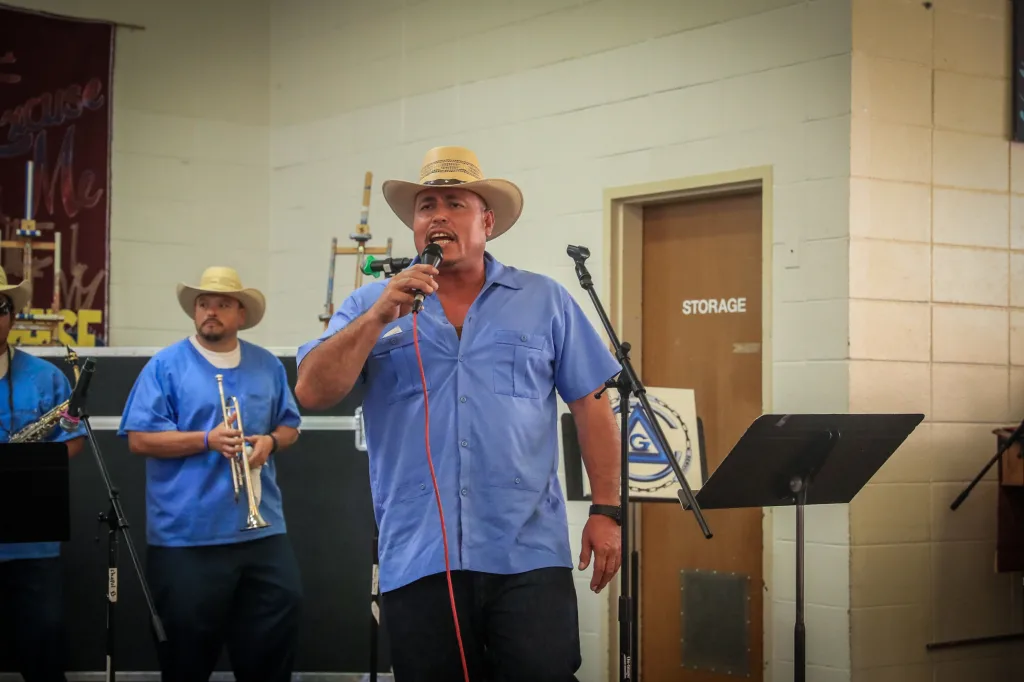
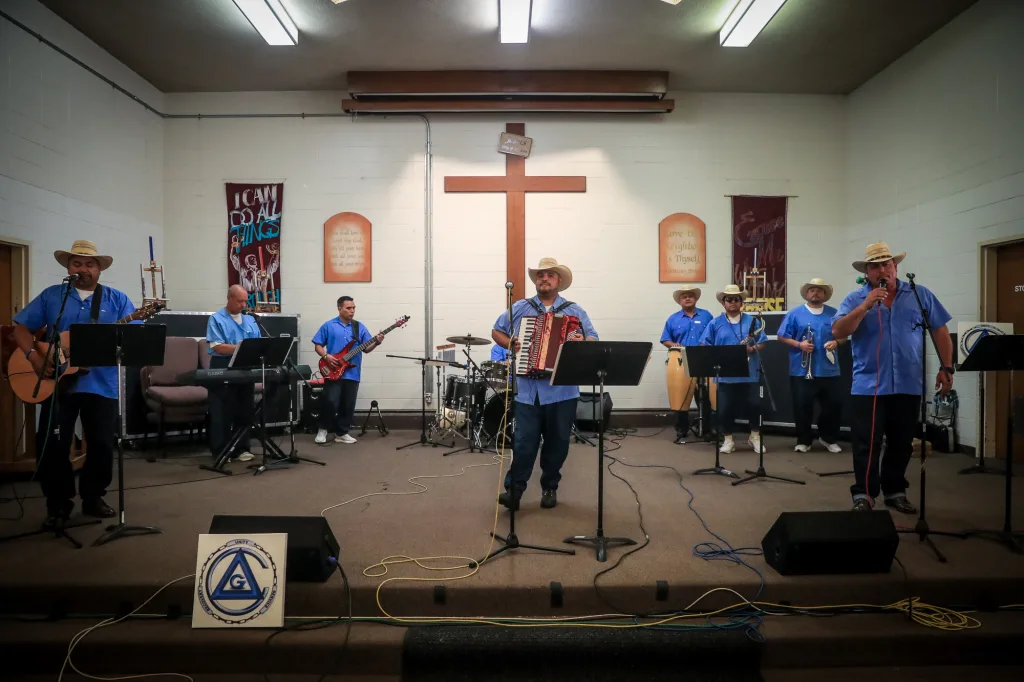
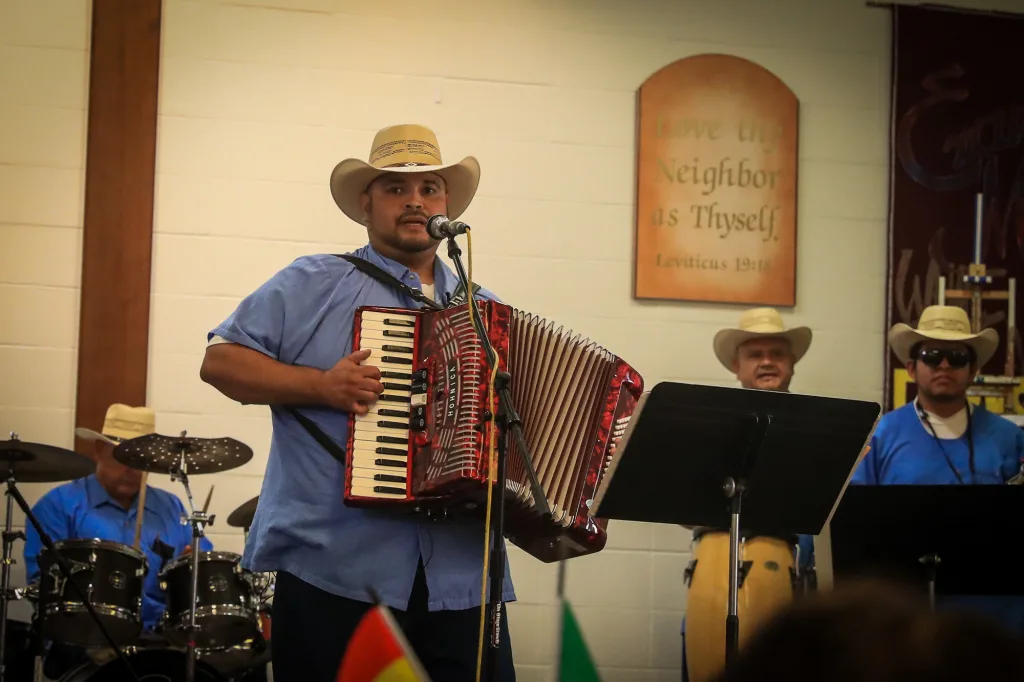
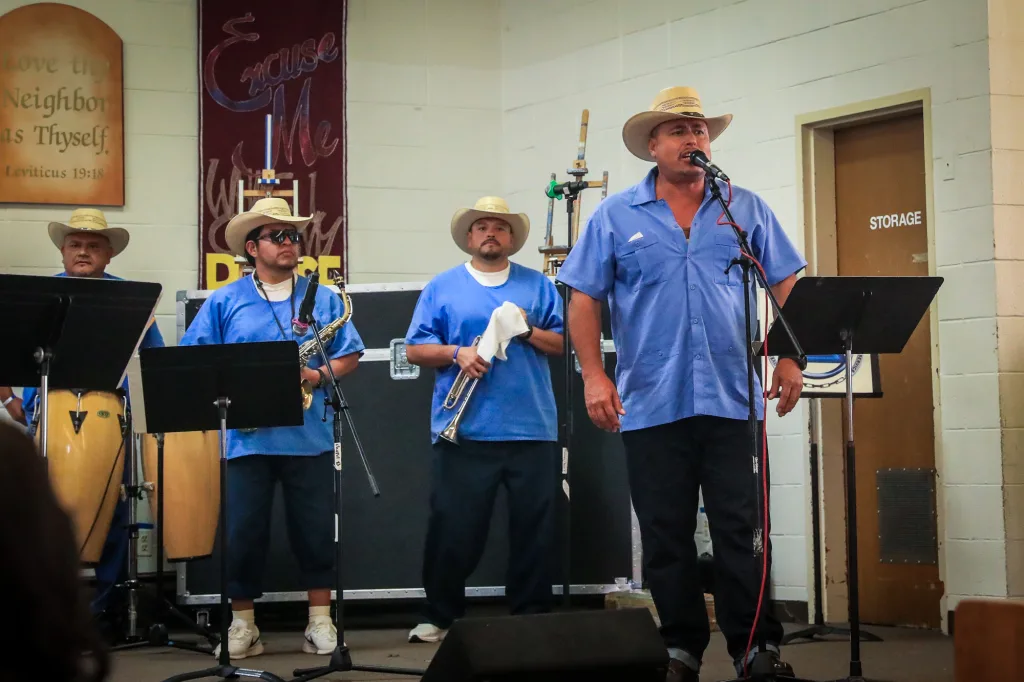
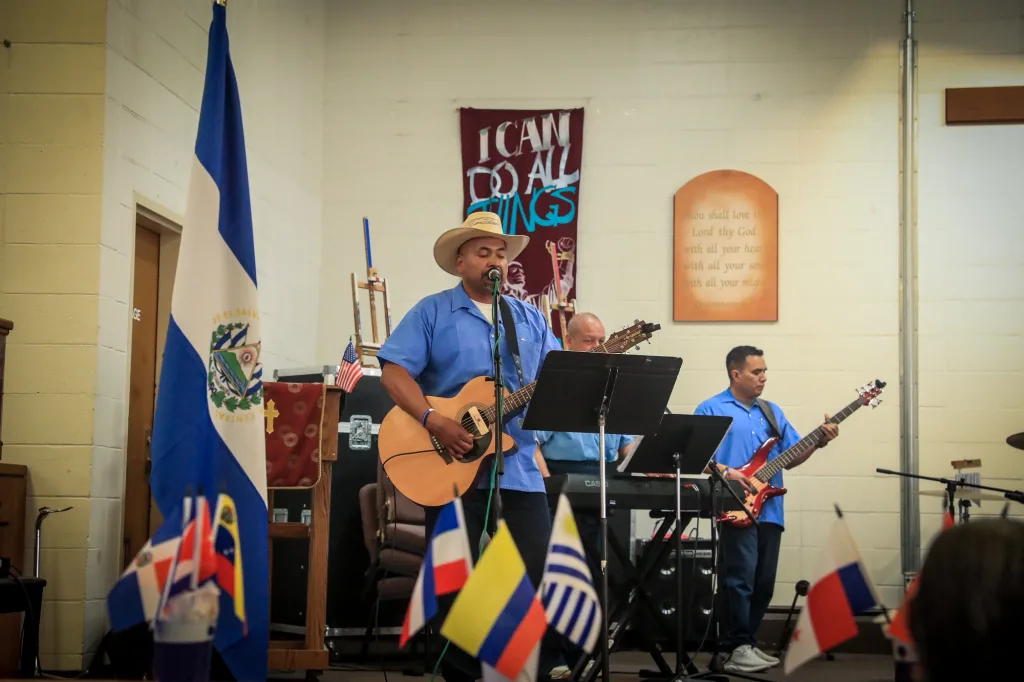
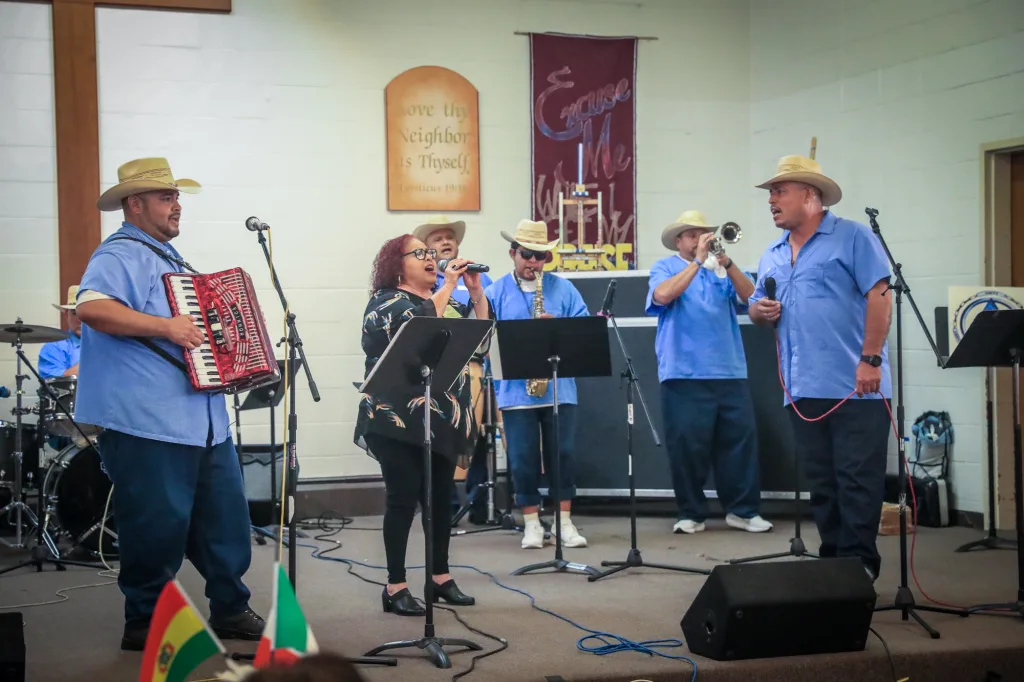
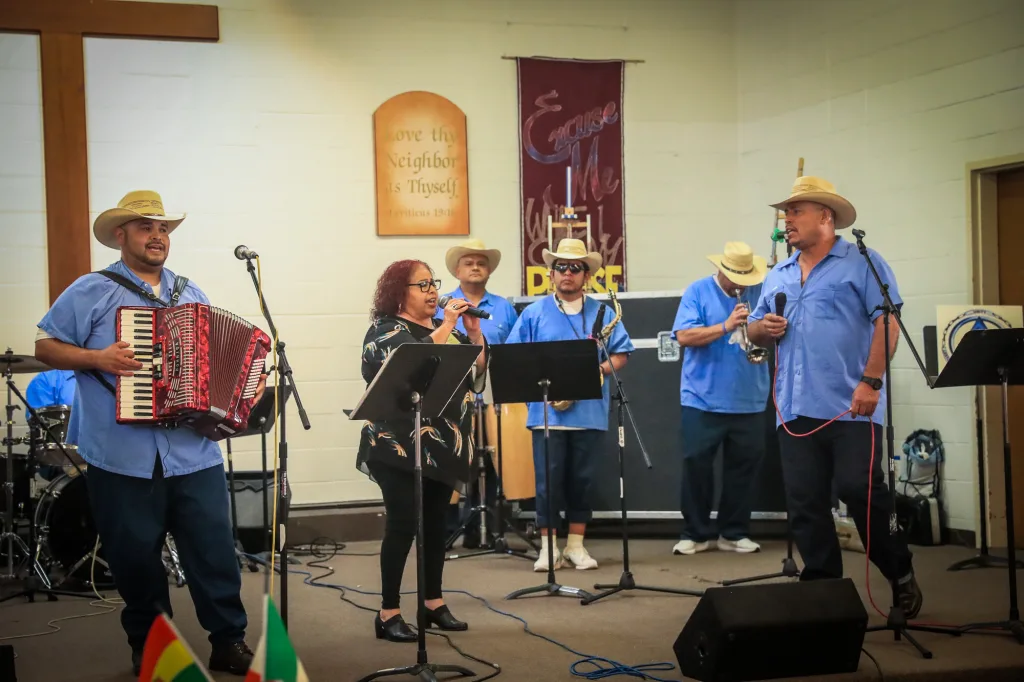
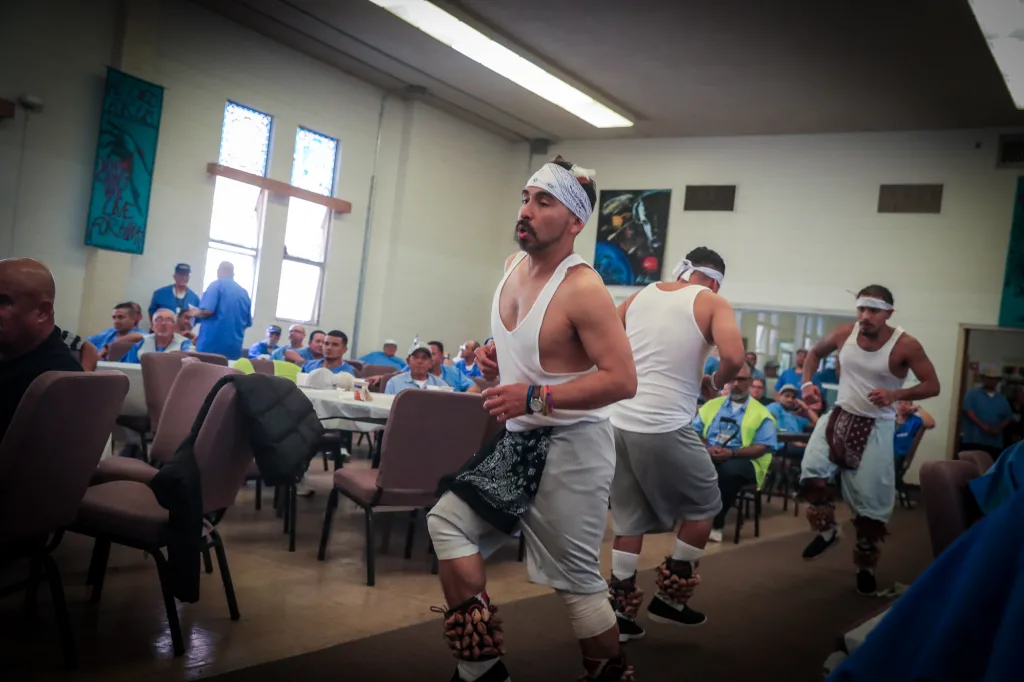
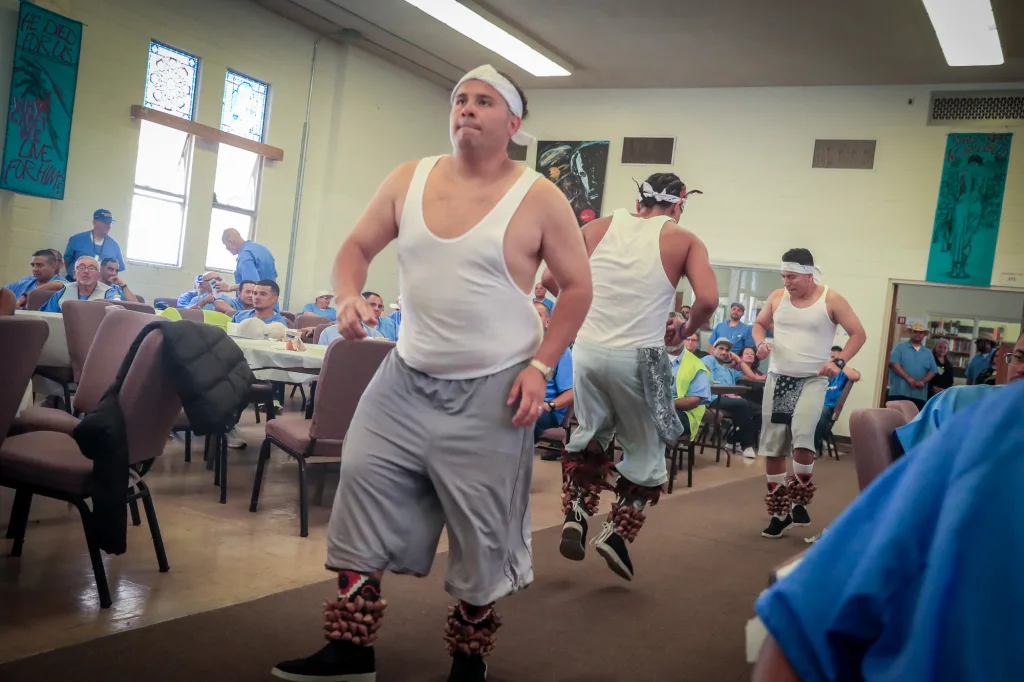
Other highlights included a performance by El Unico Elemento as well as the SQRC Aztec Dancers.
For Jenkins, the message was clear: completing a sentence should mean just that. “If somebody has done their time, it has paid their penance for what they have done, we respect that and allow them to continue on to live their lives accordingly,” she said. “We cannot support a system that piles on consequences that strip away any chance at rebuilding a life.”