rehabilitation

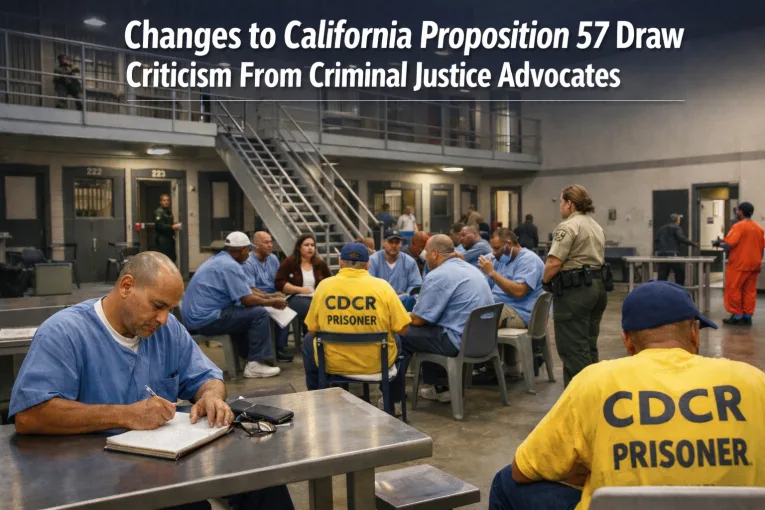
CDCR Celebrates 135 Incarcerated Students Earning Bachelor’s Degrees across California

The California Department of Corrections and Rehabilitation (CDCR) reported the graduation of 135 incarcerated students who obtained bachelor’s degrees during ceremonies conducted in May and June. This milestone underscores the state’s commitment to higher education programs for incarcerated individuals, which CDCR officials characterize as a fundamental element of its rehabilitative framework. Research indicates that participation in such educational initiatives significantly reduces recidivism rates and enhances post-release employment prospects.

COURT WATCH: Judge Denies Release to Treatment Program Despite Defense Arguments Tying Offenses to Poverty

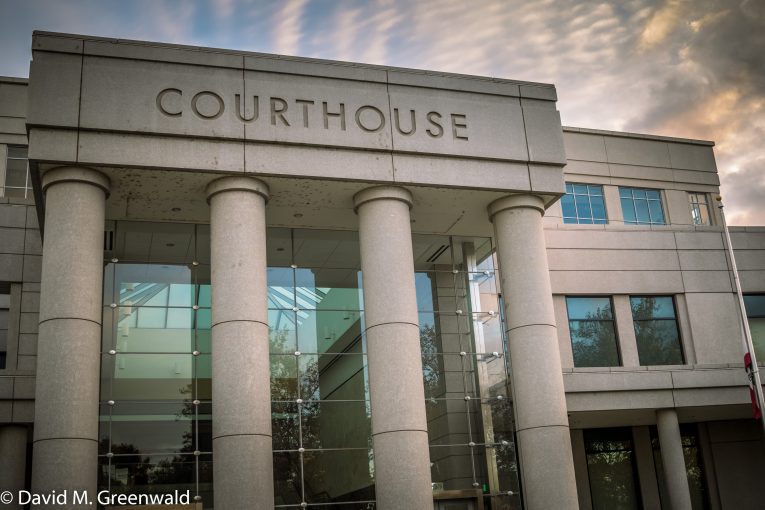
Yolo County Superior Court Judge Paul K. Richardson denied a defense motion to release an accused individual to Walter’s House, an addiction treatment facility, despite arguments from the defense counsel asserting the alleged offenses stemmed from poverty and rehabilitation needs. The court’s decision was predicated on the accused’s extensive criminal history, which includes 27 prior convictions. The matter is scheduled for reconsideration at a subsequent hearing, where a potential change of plea may also be discussed.

US Criminal Justice System Urged to Rethink Aging Prisoners’ Sentences

The New York Times reported that older individuals are far less likely to commit crimes than younger individuals, and that the US criminal justice system should reconsider how it handles aging prisoners, as evidence suggests elderly individuals commit fewer crimes and granting clemency to elderly individuals who no longer pose a threat does not erase their crimes, but instead acknowledges that justice should remain fair and proportional over time.

Specialty Courts Fail to Reduce Jail Populations, Report Finds

The Prison Policy Initiative has found that specialty courts, while intended to reduce jail and prison populations and support rehabilitation, often fail to meet these goals and can even expand the reach of the punishment system, while also undermining community-based solutions.

These Crime Survivors and the Leader of a Crime Survivors Organization Highlight the Need for Sentencing that Focuses on Healing and Change, Not Just Punishment

Survivors of crime and criminal justice reform advocates are pushing for restorative justice and second chances, highlighting the need for updated sentencing laws that reflect the realities of survivors’ experiences and build public safety through healing and change, rather than punishment alone.