
WASHINGTON — President Joe Biden began his first term promising sweeping criminal justice reform, but a new research article argues his administration largely delivered temporary measures rather than durable policy change.
The research article, Biden’s Criminal Justice Legacy, explains that Biden entered office with an ambitious agenda for his first term. According to the article, the new administration urged going beyond symbolic gestures and implementing structural reforms that could last across multiple presidencies, but ultimately fell short.
The article criticizes the Biden Department of Justice for relying on short-term memos and political signaling rather than durable policy changes. According to the abstract, Biden’s approach mirrored patterns from the Obama administration, promising reform while stopping short of building long-lasting systems.
The abstract explains that, as a result, the DOJ continues to rely on “good faith” rather than institutional safeguards, leaving reforms vulnerable to reversal under future administrations.
The article criticizes the instability of federal charging guidelines. The abstract traces policy changes from Attorney General Eric Holder’s 2010 guidance through the Trump administration’s harsher approach, and then back again under Biden.
Furthermore, the article details that Biden’s 2022 memo requiring supervisory approval for mandatory minimum charges created an inconsistent system that produced different outcomes depending on which administration was in power. The abstract reports that the solution was simple: adopt a charging policy for individuals similar to the one used for corporations — stable, principle-based and less dependent on shifting political priorities.
The article explains that Biden’s clemency record is perhaps the administration’s most disappointing failure. The authors write that the administration added bureaucracy rather than removing it, involving the White House Domestic Policy Council in clemency decisions while ignoring expert recommendations.
Additionally, the abstract highlights statistics showing that Biden denied or ignored more than 23,766 petitions while granting more than 4,000 last-minute releases.
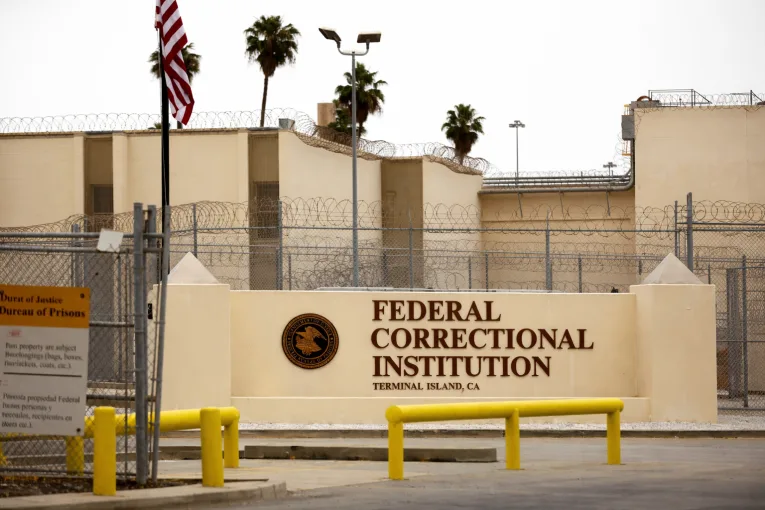
The article describes how the Bureau of Prisons remained opposed to compassionate release. While judges granted 2,185 compassionate release petitions between 2021 and early 2024, the BOP recommended only 172.
The abstract characterizes this disparity as “irrational,” emphasizing systemic resistance within the BOP. The abstract notes that the administration failed to change the culture that blocks relief for people facing serious illness or extreme hardship.
The article does note that the administration expanded programming under the First Step Act and assisted more than 17,000 people in earning early release through time credits. However, the authors point out that bureaucratic obstacles and staffing shortages limited the impact of the policy.
According to the article, Biden received partial praise for commuting the sentences of 37 people on federal death row. The abstract argues, however, that the administration failed to abolish the death penalty and pursued capital punishment in cases where it could have chosen not to do so.
Taken together, the article argues that Biden’s criminal justice record reflects a presidency more comfortable with incremental gestures than structural change. While the authors credit the administration for appointing some reform-minded officials and diversifying U.S. attorney selections, they note that most leadership positions remained dominated by career prosecutors, reinforcing institutional resistance to reform.
That resistance was visible in the DOJ’s repeated opposition to sentencing reforms advanced by the U.S. Sentencing Commission, even when those proposals were backed by data and bipartisan support.
The article also highlights that, legislatively, the administration supported limited measures such as the Federal Prison Oversight Act but failed to push aggressively for broader sentencing reform. It adds that the administration’s delayed effort to reschedule marijuana left political and policy benefits unrealized, referring to its slow and cautious approach to changing marijuana’s classification under the Controlled Substances Act.
The article concludes that this pattern of hesitation and short-term thinking left Biden’s reforms vulnerable to reversal, allowing a returning Trump administration to quickly reassert punitive policies. The abstract states that the failure to build durable institutions has ensured the federal criminal justice system remains largely unchanged and continues to be governed by discretion and political swings rather than lasting reform.
Follow the Vanguard on Social Media – X, Instagram and Facebook. Subscribe the Vanguard News letters. To make a tax-deductible donation, please visit davisvanguard.org/donate or give directly through ActBlue. Your support will ensure that the vital work of the Vanguard continues.
