
MILWAUKEE — The American Civil Liberties Union of Wisconsin is calling for greater transparency and oversight of police surveillance technology following allegations that a Milwaukee police officer repeatedly misused an automated license plate reader system to track two women for personal reasons.
The ACLU of Wisconsin issued a press release Feb. 25, 2026, raising accountability concerns after reports that 33-year-old Milwaukee Police Officer Josue Ayala allegedly accessed the Flock camera system nearly 200 times over a two-month period to search the license plates of the women.
According to the release, Ayala is accused of misusing surveillance technology while on duty to track the locations of two women for personal reasons. Over a two-month period, he used the Flock camera system to look up the license plates of these individuals nearly 200 times.
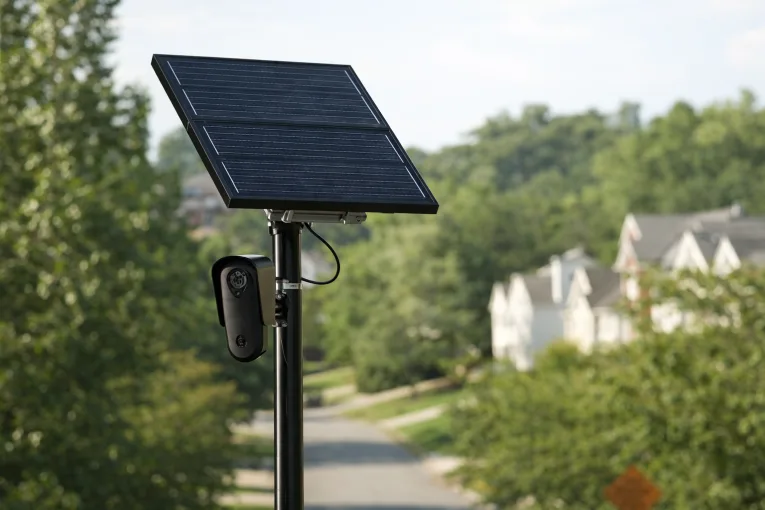
The ACLU explains that Flock’s Automated License Plate Reader system uses cameras to scan and store license plate data. This allows law enforcement to track vehicle movements, often without a warrant or driver knowledge.
The release cites Milwaukee Journal reports noting that the Milwaukee Police Department has used Flock systems since 2022, with 31 cameras in operation throughout the city. Statewide, Flock is used by 221 law enforcement agencies.
Jon McCray Jones, a policy analyst with the ACLU of Wisconsin, emphasized that “the accusations made against Milwaukee Police Officer Josue Ayala exemplify just how easily Flock cameras can be turned against the very people the technology purports to protect.”
The ACLU cites reports from 404 Media indicating that Flock data has also been accessed for immigration-related purposes. While Flock does not have a contract with ICE, the agency “sources data from Flock’s cameras by making requests to local law enforcement,” which then conduct searches on ICE’s behalf.
The ACLU underscores how little the public knows about Flock’s prevalence and usage, explaining that “officers do not have to provide a clear rationale for a license plate search; all they have to do is log the search under a vague, nebulous category like ‘investigation’ — as Officer Ayala is alleged to have done.”
Cited in the release, the Wisconsin Examiner reports that in 2025 alone, the Milwaukee Police Department logged “investigation” as the reason for a Flock search more than 1,000 times.
Although nondisclosure of Flock usage during ongoing investigations may be necessary, the ACLU asserts that the system should be regulated and that its use be subject to public accountability.
The ACLU of Wisconsin is calling for clearer oversight and accountability standards governing the use of surveillance technology, suggesting the implementation of measures such as annual public reporting on acquisition and usage across the state.
Further suggestions in the release include notifying defense attorneys, prosecutors and judges in criminal cases when surveillance tools are involved, as well as the adoption of formal policy outlines by agencies that provide guidelines for how and when these tools can be deployed.
The ACLU emphasizes its continued support of the adoption of a Community Control Over Police Surveillance Ordinance in Milwaukee, working to promote democratic accountability and transparency standards.
The allegations against Officer Josue Ayala, as outlined in the release, add to ongoing debates surrounding the regulation of automated license plate reader technology and the scope of law enforcement surveillance powers.
As Flock systems continue to expand across Wisconsin and nationwide, the ACLU maintains that stronger transparency and oversight measures are necessary to ensure public accountability.
Follow the Vanguard on Social Media – X, Instagram and Facebook. Subscribe the Vanguard News letters. To make a tax-deductible donation, please visit davisvanguard.org/donate or give directly through ActBlue. Your support will ensure that the vital work of the Vanguard continues.
