
NORTH CAROLINA — According to Solitary Watch, people incarcerated in North Carolina prisons face widespread isolation, abuse and limited protection from staff, including transgender individuals who often face heightened risk and targeting under those conditions.
Reports described by Solitary Watch explain that transgender women housed in men’s prisons are often targeted for harassment and violence because of their gender identity. These victims are left with few safe options for protection, sometimes resulting in solitary confinement.
It is reported that incarcerated transgender women are “ten times more likely to experience sexual assault.” Toyia Dockery, a transgender woman, described the danger she has experienced inside prison, stating, “I grieved about it, I grieved about it, I grieved about it. And nothing was never, never, never, never done.”
U.S. District Judge Roy B. Dalton criticized the Federal Bureau of Prisons for failing to meet the medical needs of incarcerated people. He compared the prisons to a Soviet gulag and said medical care was available only to those who were close to death.
David Blakeney, a man diagnosed with colon cancer, was denied compassionate release after the Bureau of Prisons claimed he could receive adequate care while in custody. Instead, he was placed in solitary confinement and restrained to his bed, which worsened his condition.
Nathaniel Davis, Jr., held in solitary confinement at an Iowa City jail, suffered from withdrawal symptoms and was found convulsing on the cell floor. While this was happening, officers stood over him and did not attempt to help him in any way.
This continued for about seven minutes. According to a lawsuit filed by his estate, his medical provider “spent only minutes at his cell door, never touching him and never taking his vitals.”
There have also been reports of migrant children housed at the Children’s Village shelter in Westchester County, New York, who endured prolonged isolation in a room referred to as the “red room.”
The relocation of the children occurred after reports that they were denied basic hygiene needs, given limited food and subjected to physical restraint and abuse by security staff.
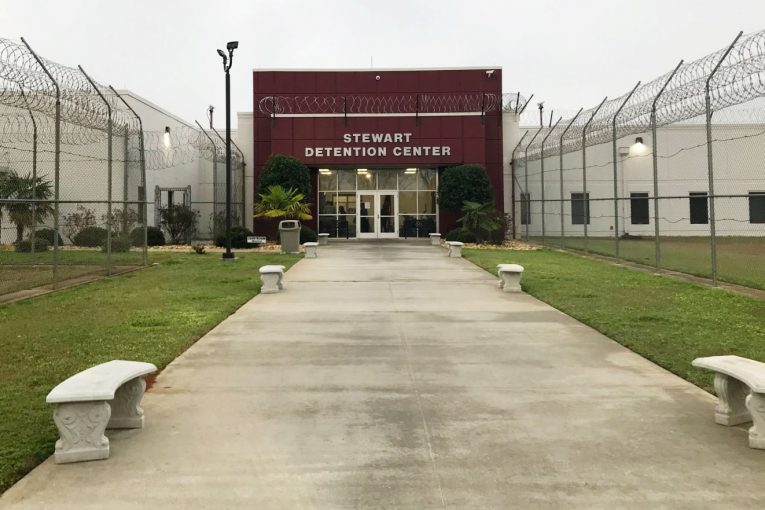
The same systems of confinement that produce isolation and neglect in prisons also appear in immigration detention centers under ICE authority.
People detained in ICE facilities are required to perform essential jobs that keep the centers running. This includes cleaning, cooking and assisting disabled residents.
Despite ICE contractors generating billions in revenue, reports say detainees are paid extremely low wages, sometimes as little as $1 per day.
Another case involves a mother and her son who were previously approved for processing by U.S. Citizenship and Immigration Services before being detained, separated and transferred to an ICE facility.
At 18 years old, the son had already spent time in solitary confinement and was only a few months away from graduating high school.
Pablo David Reyes was held in solitary confinement for two years during ICE custody at the Moshannon Valley Processing Center in Pennsylvania.
He filed a civil rights petition in which he described the mental health effects of prolonged isolation, including “hallucinations, disorientation, severe despair, exacerbation of trauma, and heightened suicide risk.”
Kimberly C., an incarcerated woman in Florida, was placed in solitary confinement for 44 days after a phone call with her family in which she said she was ready to “blow this joint” and leave the facility where she was being held while discussing a possible transfer closer to her mother, who was in hospice care.
Shortly after the call, prison officials placed her in isolation, claiming her language posed a security risk. This decision came despite her having no prior disciplinary issues during more than two decades of incarceration.
The reported cases point to a consistent pattern of isolation, restricted care and limited accountability.
From prolonged solitary confinement to allegations of neglect in medical emergencies and punishment for minor incidents, these accounts raise broader concerns about how incarcerated and detained people are treated within systems meant to ensure custody and care.
Follow the Vanguard on Social Media – X, Instagram and Facebook. Subscribe the Vanguard News letters. To make a tax-deductible donation, please visit davisvanguard.org/donate or give directly through ActBlue. Your support will ensure that the vital work of the Vanguard continues.
