
SAN FRANCISCO — A San Francisco Superior Court judge ordered an accused man held in custody despite defense arguments that the detention would cause him to lose his housing, addiction treatment and other support services, prompting concerns about the collateral consequences of the decision.
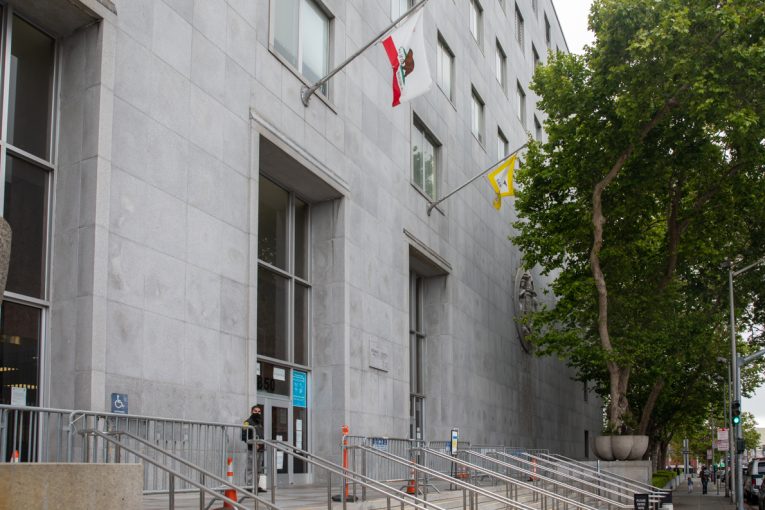
Following a series of arguments at the Hall of Justice, Judge Matthew S. Khan issued a hold order despite Deputy Public Defender Michael Guingona informing the court that the accused would lose access to his housing and addiction treatment services, on which he relied, and proposing an alternative.
The accused remained in pretrial custody on charges of assault and theft stemming from an incident involving a woman in a Costco parking lot. The accused allegedly approached the woman and asked to use her vape before chasing her around her car, throwing her into the street and making off with her phone.
The woman suffered an injury to the back of her head that bled and said she was nearly hit by a truck after being thrown into the street. After a man confronted the accused and returned the phone to her, the device allegedly had sustained damage, although the victim said it had already been somewhat damaged.
The victim also said she was mentally scarred by the incident and attended therapy but avoided emergency medical treatment because of other circumstances.
Deputy Public Defender Michael Guingona argued that the charges should be reduced from assault and theft to assault because of uncertainty surrounding how the phone was taken. The victim said she did not know exactly when during the altercation the phone was taken from her or precisely how she had been carrying it at the time.
Judge Khan agreed.
After Judge Khan issued the hold order, however, Guingona objected, arguing there would be significant collateral consequences. He warned that while the accused remained on hold, he would lose access to his housing bed, weekly therapy sessions, addiction rehabilitation and other support services.
Instead, Guingona proposed that the accused be released under electronic monitoring.
Deputy District Attorney Austin Weis countered that the charged assault, along with an additional misdemeanor assault, had both occurred while the accused was already benefiting from those services, making it unlikely they would prevent similar random attacks.
According to the accused’s social worker, he consistently attended the required meetings and seldom missed them.
Judge Khan agreed that the services were likely benefiting the accused but said he was also concerned about the danger the accused could pose if released.
Follow the Vanguard on Social Media – X, Instagram and Facebook. Subscribe the Vanguard News letters. To make a tax-deductible donation, please visit davisvanguard.org/donate or give directly through ActBlue. Your support will ensure that the vital work of the Vanguard continues.
