
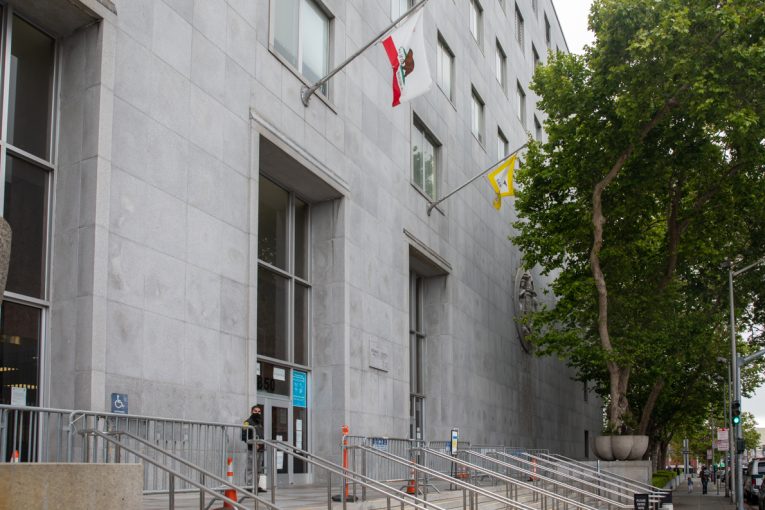
SAN FRANCISCO, Calif. – A criminal case pending in San Francisco Superior Court since March 2025 remains unresolved as the accused seeks mental health diversion, with court records documenting competency proceedings, mental health evaluations and multiple hearings concerning possible treatment alternatives to traditional prosecution.
The case, initially filed March 21, 2025, has remained pending for approximately 20 months. Defense counsel recently sought mental health diversion under California Penal Code Section 1001.36, which allows eligible individuals accused of certain crimes to receive treatment instead of proceeding through traditional criminal prosecution.
Court records indicate that the case has involved three hearings related to competency assessments, along with additional proceedings addressing the accused’s mental health and potential eligibility for diversion.
On Sept. 2, the court scheduled a competency certification hearing under California Penal Code Section 1372, which governs proceedings following the restoration of a defendant’s competency to stand trial.
An arraignment was scheduled for the following day, Sept. 3.
On Sept. 30, the court ordered a mental health diversion evaluation report and directed jail behavioral health services to develop a treatment plan. The accused also waived his right to a speedy trial.
The proceedings resumed in October, with a mental health diversion referral scheduled for Oct. 6 in Department 15 and a mental health court report scheduled for Oct. 14.
On Nov. 12, defense counsel formally filed a petition requesting mental health diversion, along with a protective order concerning exhibits submitted in support of the petition.
Hearings concerning the petition were scheduled for Nov. 13 and Nov. 18. The available records do not establish that the court granted or denied the request at either proceeding.
Another hearing on the petition is scheduled for Dec. 23 in Department 15.
The San Francisco Superior Court’s published judicial assignments identify Judge Charles Crompton as the judicial officer assigned to Department 15, which handles mental health diversion and behavioral health proceedings. The available case information does not establish whether Crompton presided over each hearing in this matter.
The attorneys identified in the case records include public defenders Latisha McCray, Sarah Hashemi and Angela Chan, along with deputy district attorneys Ahmanda Lee, Albert Ujcic and Corliss Brekken.
The available information does not specify which attorneys appeared at each hearing.
Under California Penal Code Section 1001.36, courts may grant pretrial mental health diversion when an accused person meets statutory eligibility and suitability requirements.
Eligibility generally requires evidence of a qualifying mental health disorder and a determination that the disorder was a significant factor in the alleged offense. Certain criminal charges are excluded from diversion under the statute.
The court must also consider whether the accused would respond to mental health treatment, whether the person agrees to comply with treatment requirements and whether community-based treatment would present an unreasonable risk to public safety.
The purpose of mental health diversion, outlined in Penal Code Section 1001.35, includes reducing repeated involvement in the criminal justice system while providing treatment and rehabilitation opportunities.
According to the San Francisco Superior Court’s mental health diversion procedures, the process may involve eligibility evaluations, treatment planning and hearings to determine whether diversion is appropriate.
Competency proceedings and mental health diversion serve different legal purposes. Competency proceedings address whether an accused person can understand the criminal proceedings and assist in their defense, while diversion evaluates whether an eligible person may receive treatment as an alternative to prosecution.
The court records in this case document both types of proceedings, although they do not establish that the time spent on evaluations or hearings was unreasonable.
The records also do not establish whether the accused experienced difficulties obtaining treatment or whether the availability of mental health services contributed to the case’s duration.
As of Nov. 18, the accused’s petition for mental health diversion remained pending, with the next hearing scheduled for Dec. 23 in Department 15.
To comment please go to one of these social media platforms:
Facebook: https://www.facebook.com/DavisVanguard
LinkedIn: https://www.linkedin.com/company/peoples-vanguard-of-davis-inc/
Instagram: https://www.instagram.com/davisvanguard/
X: https://x.com/davisvanguard
Bluesky: https://bsky.app/profile/vanguardnewsgroup.bsky.social
Subscribe to the Vanguard News letters. To make a tax-deductible donation, please visit davisvanguard.org/donate or give directly through ActBlue. Your support will ensure that the vital work of the Vanguard continues.
