
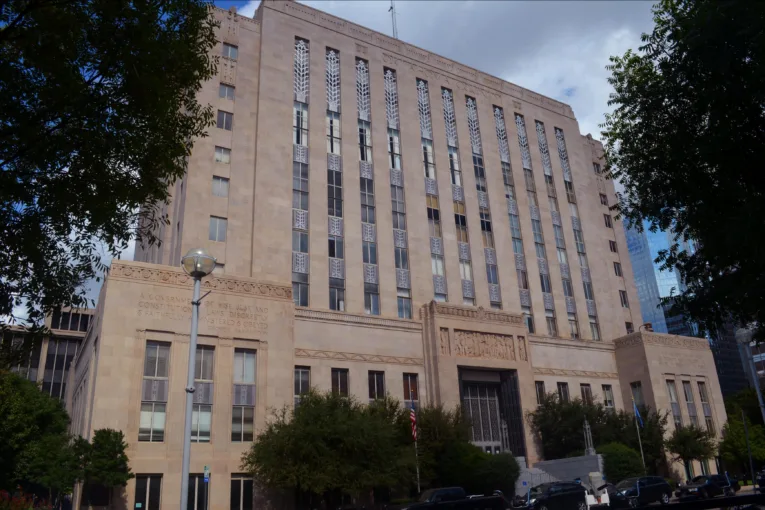
OKLAHOMA CITY, Okla. — Oklahoma County Presiding Judge Sheila Stinson told state lawmakers Oct. 29 that she plans to order changes to the county’s bail hearing procedures after attorneys and court officials described a system in which people accused of minor offenses can remain jailed for days because they cannot afford bonds as low as $50.
According to reporting published Nov. 6 by The Frontier and KOSU, Stinson outlined the proposed reforms during a legislative interim study at the Oklahoma Capitol, where public defenders, court officials and advocates warned that the county’s current practices could expose it to costly litigation.
The proposed changes include allowing defense attorneys to meet with clients before initial bail hearings, conducting hearings on weekends and holidays, and reducing the time people spend in jail before appearing before a judge.
Stinson acknowledged that implementing the reforms would require additional funding.
People arrested in Oklahoma County can wait several days before their first court appearance, particularly when arrests occur before weekends or holidays.
“If an inmate gets arrested the Wednesday before Thanksgiving, they won’t see a judge until Monday,” Stinson told lawmakers, according to The Frontier and KOSU.
Oklahoma County Chief Public Defender Brigitte Biffle testified that at least 57 people were held in jail on nonviolent misdemeanor charges during a two-week period in October because they could not afford bonds ranging from $50 to $100.
Stinson also told lawmakers that nearly 85% of the county jail’s population consists of people being detained before conviction.
The figures underscore concerns about a bail system in which a person’s financial circumstances can determine whether they remain incarcerated while awaiting trial.
“If you are poor or indigent and you don’t have money, you can have a non-violent crime and you stay in jail,” Biffle told lawmakers.
Initial bail hearings in Oklahoma County are conducted by video from the jail, but Biffle said defense attorneys have no opportunity to meet with their clients beforehand.
Judges also rely heavily on a predetermined bond schedule that establishes standard bail amounts for most criminal charges rather than consistently evaluating each person’s circumstances.
According to The Frontier and KOSU, courts have recognized the right to individualized bail determinations that consider factors such as a person’s financial resources, likelihood of appearing in court and other circumstances relevant to pretrial release.
The outlets previously reported that Oklahoma County’s bail procedures fall short of those standards, citing interviews with attorneys and their own examination of the system.
However, the reporting did not identify a court ruling finding Oklahoma County’s current bail practices unconstitutional.
Stinson acknowledged the possibility of litigation, saying she hopes that “if and when” the county faces a lawsuit, officials will be able to demonstrate that they have taken steps to address the problems.
Similar litigation has already prompted changes elsewhere in Oklahoma.
The Frontier previously reported that a federal judge ruled in 2024 that Tulsa County’s bail system was unconstitutional because it failed to provide meaningful and timely hearings.
Following that ruling, Tulsa County officials assigned a court-appointed attorney to represent defendants during bail hearings at the jail and established daily bond dockets intended to ensure that people appear before a judge within 24 to 48 hours of arrest.
The changes in Tulsa County offer a potential model for Oklahoma County, although Stinson has not announced specific deadlines for implementing the reforms.
It also remains unclear when the proposed changes will take effect or what requirements will be included in any judicial orders.
The county faces additional staffing challenges as it considers changes to its bail procedures.
One of the judges responsible for overseeing bail hearings retired in October, while another is scheduled to retire in December, according to The Frontier and KOSU.
Efforts to address the problems through state legislation have also encountered obstacles.
State Sen. Dave Rader, R-Tulsa, introduced Senate Bill 1381 last year to provide additional funding for the Oklahoma County District Attorney’s Office and Public Defender’s Office and establish a pilot program for individualized bail hearings.
The legislation failed to advance in the Oklahoma House.
A fiscal impact statement estimated that the proposal would cost approximately $2.4 million, while Oklahoma County Assistant District Attorney Madison King estimated that roughly $1 million would be needed to hire additional staff.
Rader told The Frontier and KOSU that he intends to introduce similar legislation next year.
“The state needs to help — and must,” Rader said.
State Sen. Mark Mann, D-Oklahoma City, who co-hosted the legislative study with Rader, also questioned the fairness of detaining people solely because they lack the money to secure their release.
“I don’t believe that locking someone up just because they can’t afford to pay a bail bond is a good thing to do,” Mann said.
To comment please go to one of these social media platforms:
Facebook: https://www.facebook.com/DavisVanguard
LinkedIn: https://www.linkedin.com/company/peoples-vanguard-of-davis-inc/
Instagram: https://www.instagram.com/davisvanguard/
X: https://x.com/davisvanguard
Bluesky: https://bsky.app/profile/vanguardnewsgroup.bsky.social
Subscribe to the Vanguard News letters. To make a tax-deductible donation, please visit davisvanguard.org/donate or give directly through ActBlue. Your support will ensure that the vital work of the Vanguard continues.
