
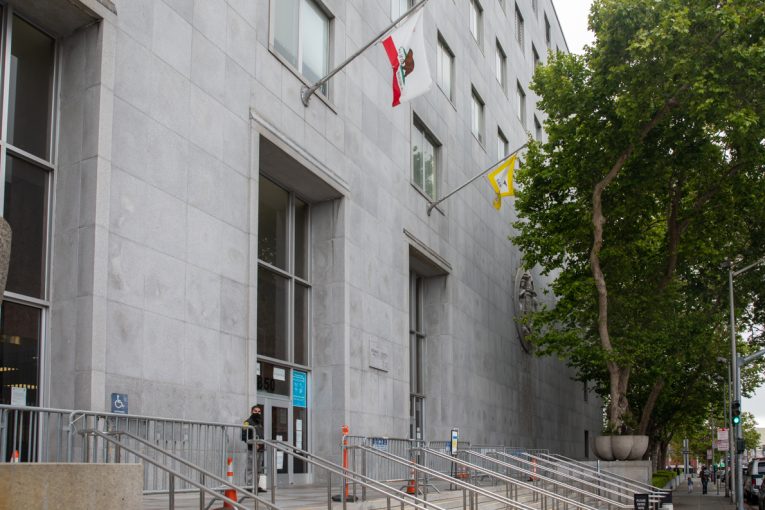
SAN FRANCISCO, Calif. — Questions about whether an accused man was properly advised of the immigration consequences of an earlier plea — coupled with missing plea transcripts from prior cases — prompted prosecutors Wednesday to agree to a negotiated resolution for a man currently being held in Immigration and Customs Enforcement detention.
The accused had five prior convictions, including three misdemeanors, one felony and one probation violation. Those convictions stemmed from cases spanning 2009, 2015, 2016 and 2018.
Deputy District Attorney Robert Lopez explained that the prosecution agreed to a stipulated disposition after reviewing the accused’s case.
Lopez said the agreement was necessary because plea transcripts were unavailable in some of the accused’s prior cases. He added that, in one of those cases, he located a motion to withdraw the accused’s plea based on an alleged failure to advise him of the immigration consequences of pleading guilty.
“In the People’s view, that would be contemporaneous evidence of that era and would be difficult for the People to rebut,” Lopez said, explaining the prosecution’s decision to pursue a negotiated disposition that would preserve a conviction.
Before accepting the accused’s no-contest plea, Judge Brian L. Ferrall conducted a plea colloquy, explaining the constitutional rights the accused would waive by entering the plea.
Judge Ferrall also advised the accused that admitting to a probation violation could result in deportation, exclusion from the United States or denial of naturalization, depending on his immigration status.
Following the colloquy, the accused admitted the probation violation and entered no-contest pleas to the remaining charges. Judge Ferrall then questioned the accused to ensure the pleas were entered knowingly and voluntarily, asking whether anyone had forced him to plead no contest and whether he had consumed anything that would impair his ability to think clearly.
The accused answered no to each question, and Judge Ferrall accepted the no-contest pleas.
Judge Ferrall sentenced the accused to 200 days in county jail but ordered the sentence to run nunc pro tunc to Sept. 28, 2016, treating it as though it had begun on that date. Because the accused had accumulated more than enough custody credits, the judge deemed the sentence already served.
The judge also imposed additional fees and fines, including a $40 court operations assessment, a $30 immediate critical needs assessment and a $300 restitution fine, which was suspended.
The court did not address whether the accused would remain in ICE custody or be released following the conclusion of the criminal proceedings, leaving his immigration detention status unresolved despite the resolution of the criminal case.
To comment please go to one of these social media platforms:
Facebook: https://www.facebook.com/DavisVanguard
LinkedIn: https://www.linkedin.com/company/peoples-vanguard-of-davis-inc/
Instagram: https://www.instagram.com/davisvanguard/
X: https://x.com/davisvanguard
Bluesky: https://bsky.app/profile/vanguardnewsgroup.bsky.social
Subscribe to the Vanguard News letters. To make a tax-deductible donation, please visit davisvanguard.org/donate or give directly through ActBlue. Your support will ensure that the vital work of the Vanguard continues.
