
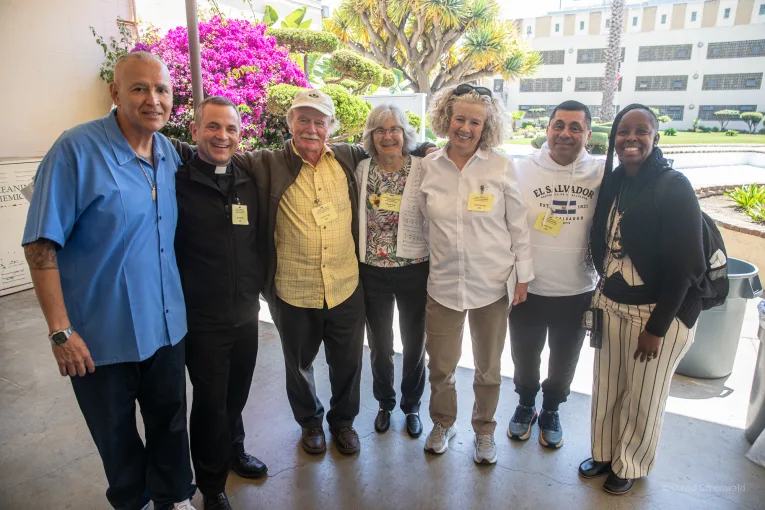
SAN QUENTIN, Calif. — Inside San Quentin Rehabilitation Center on Friday, Salvadoran culture, faith and restorative justice came together in a celebration designed not simply to commemorate a national tradition, but to give incarcerated people space to reclaim identity, build community and demonstrate what rehabilitation can look like.
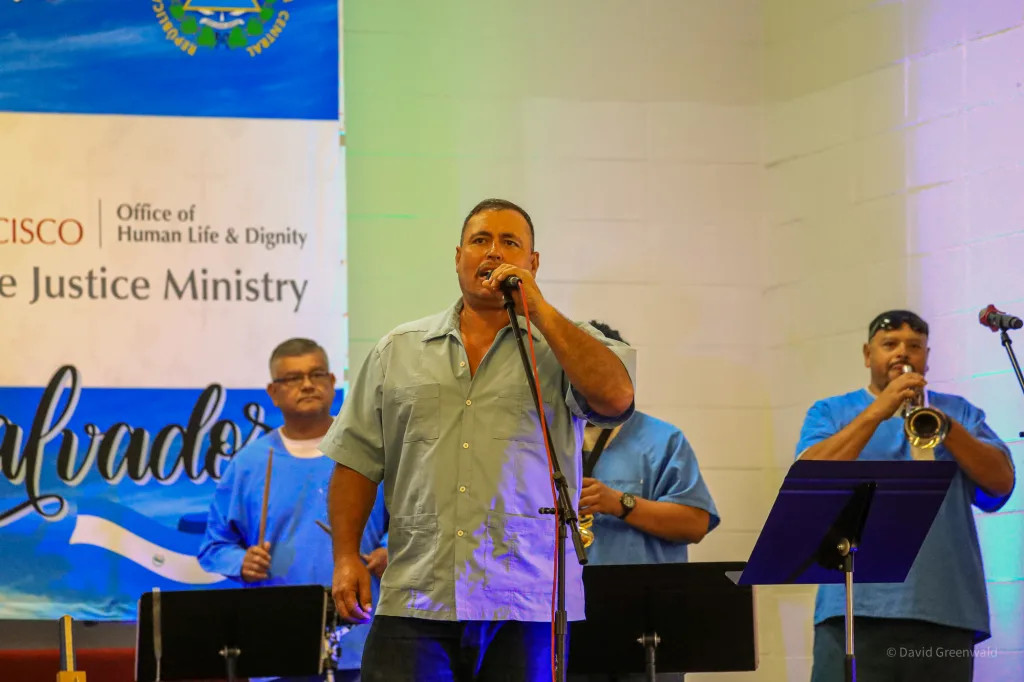
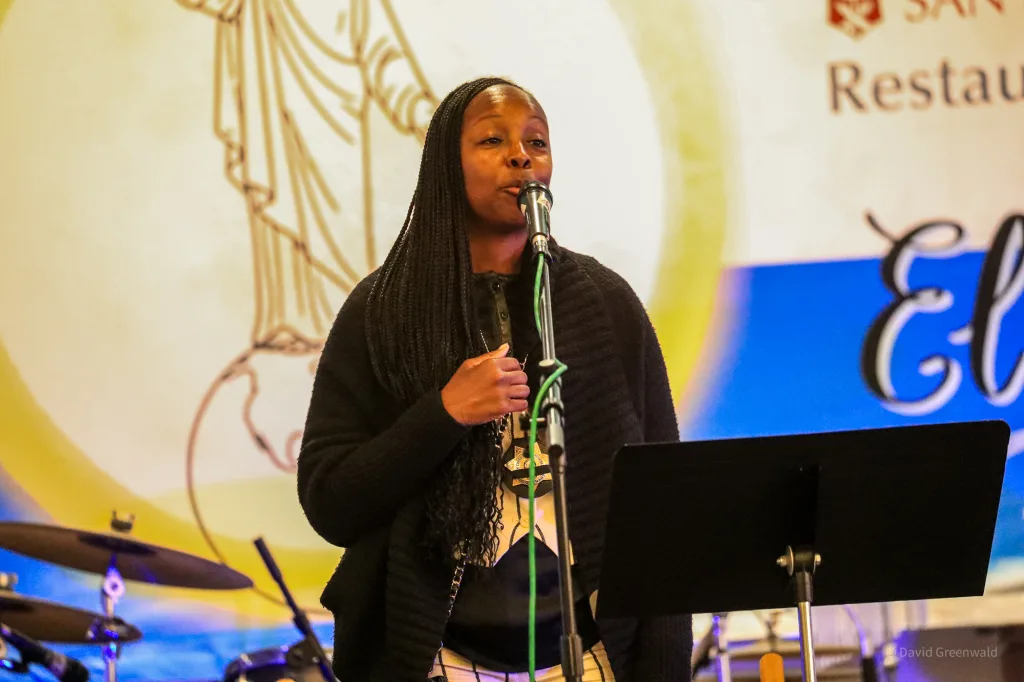
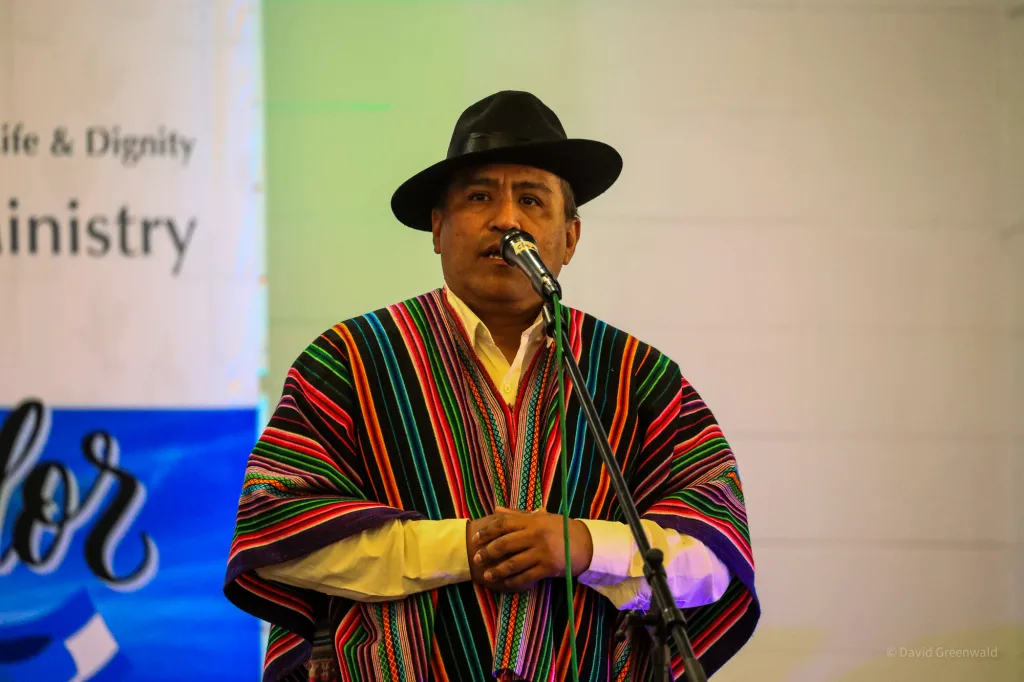
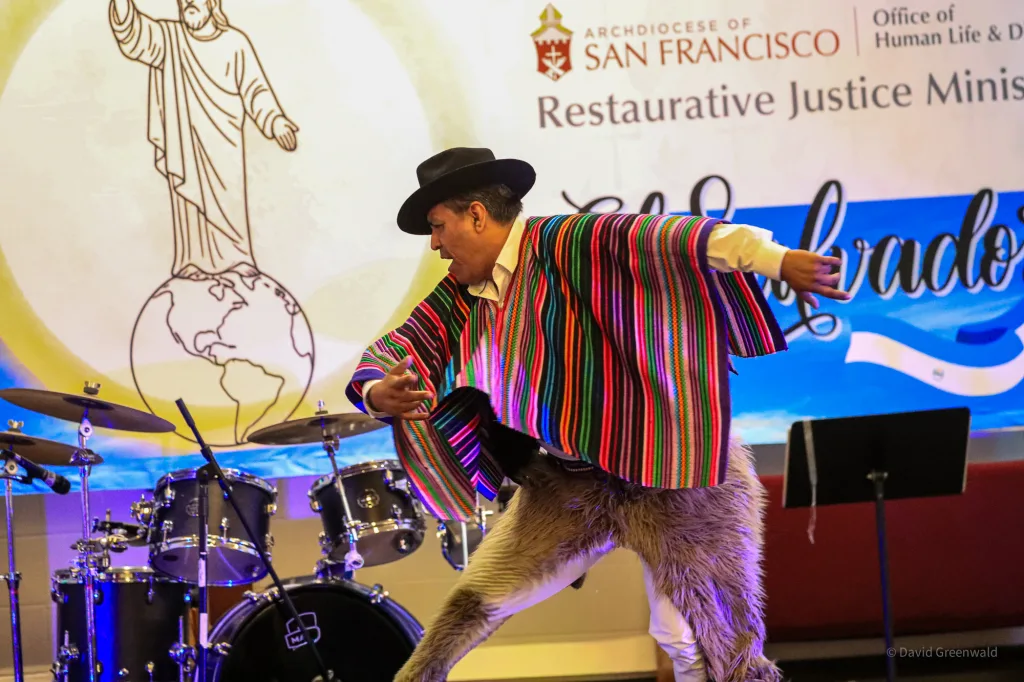
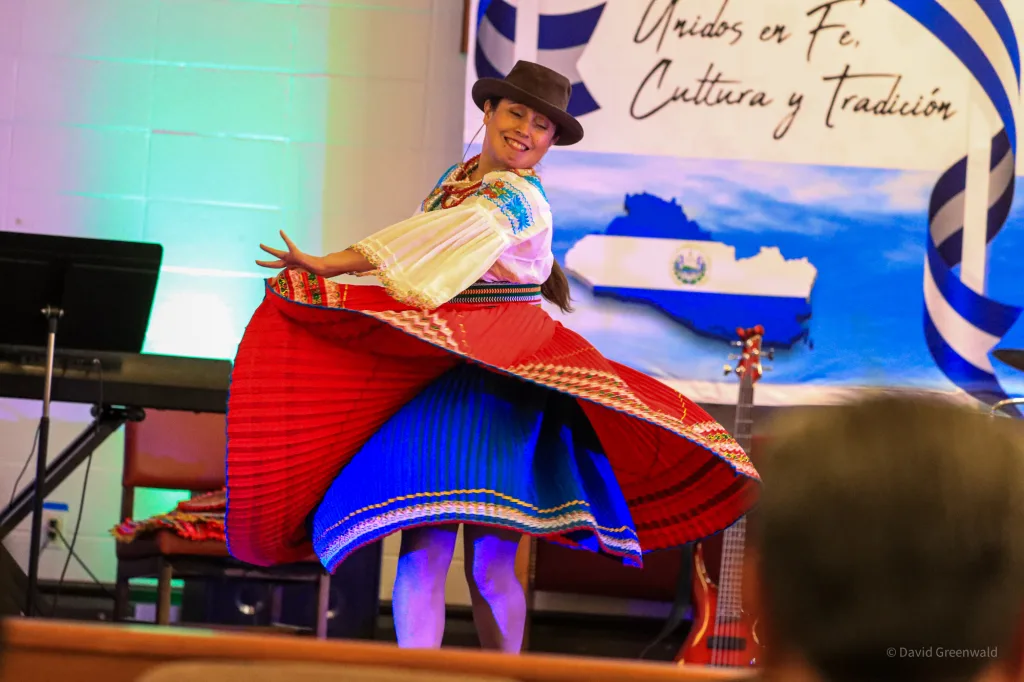
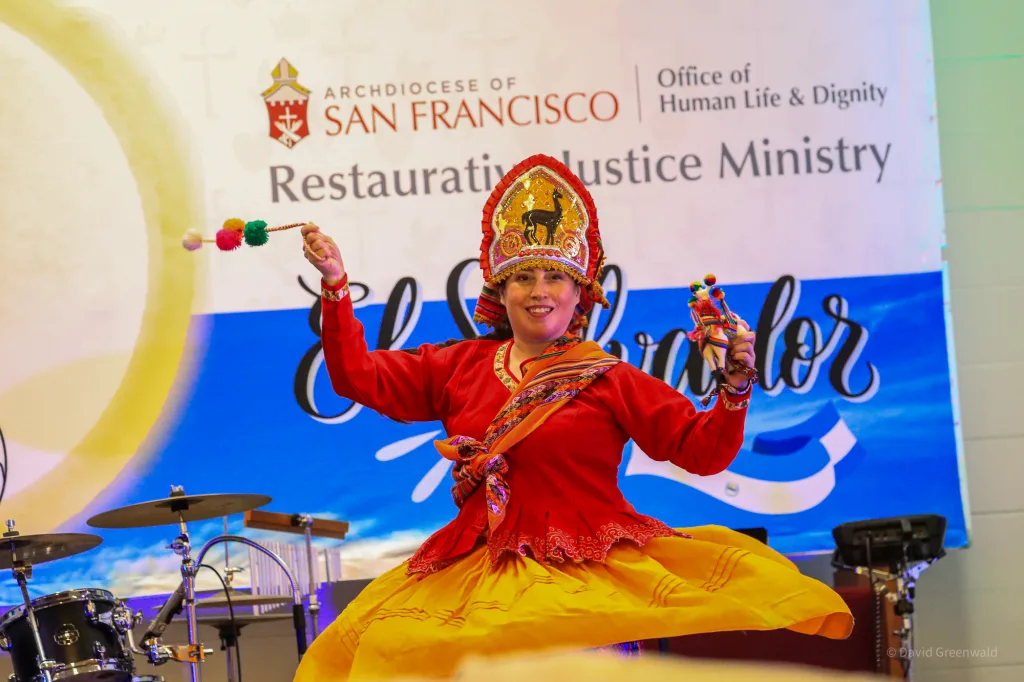
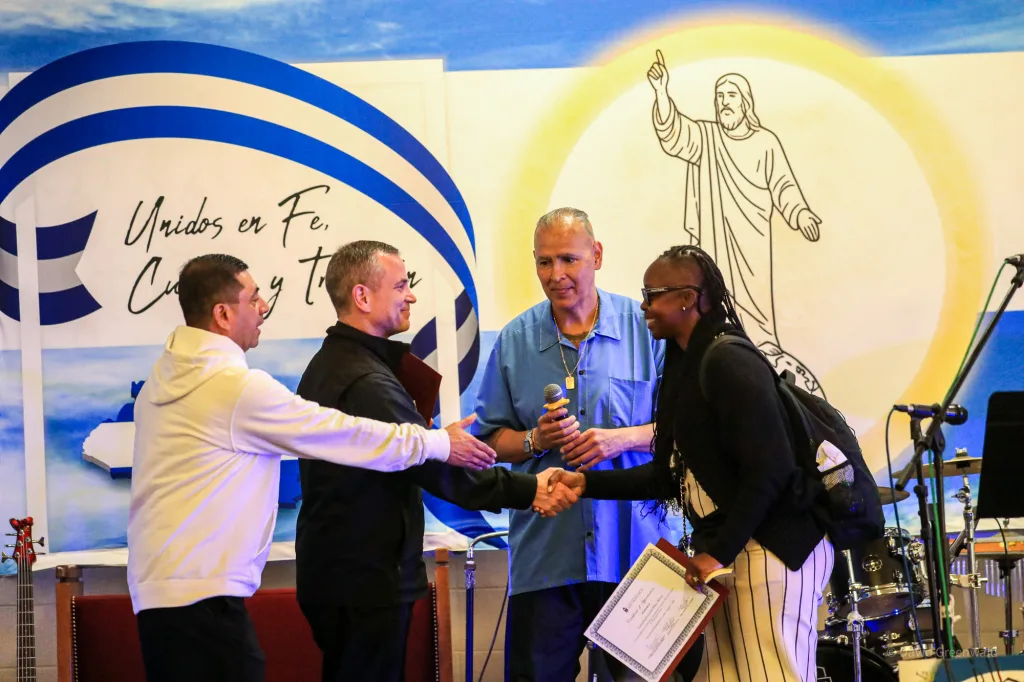
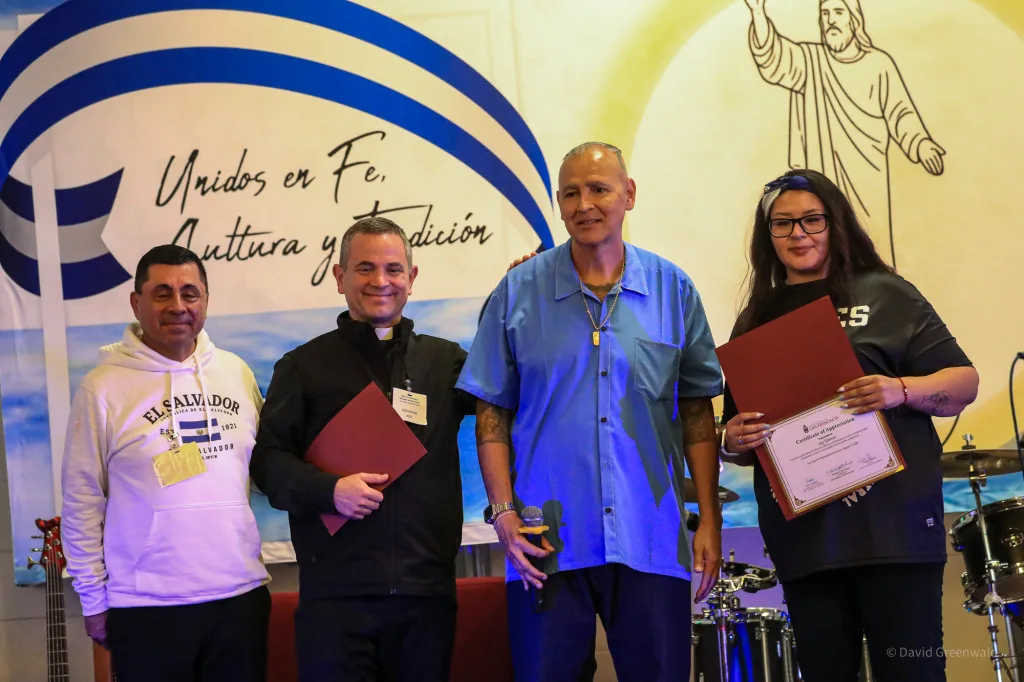
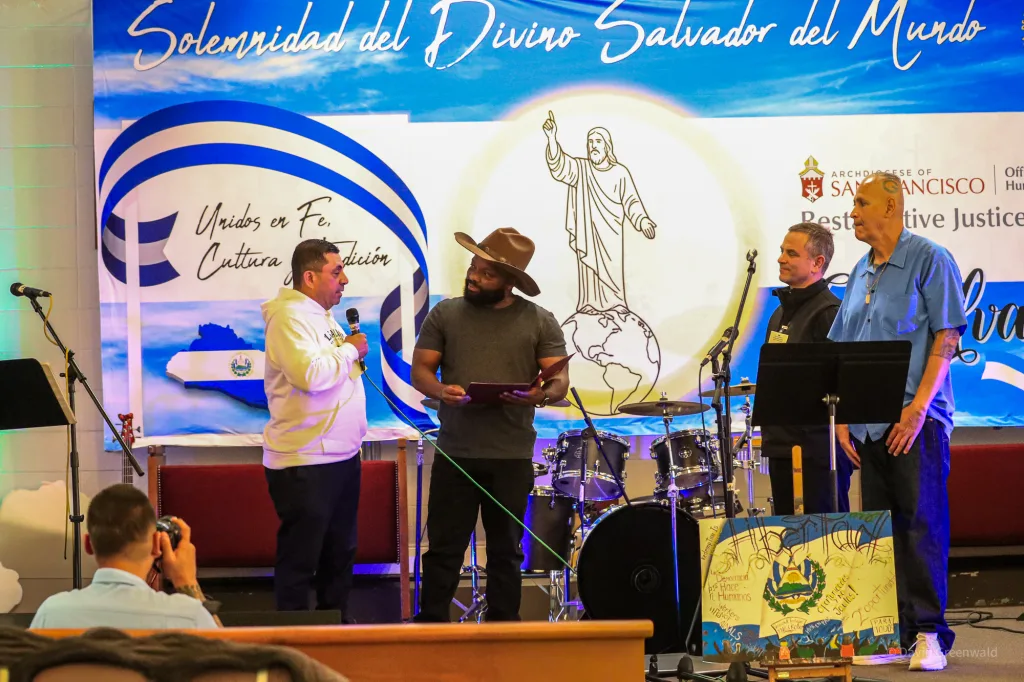
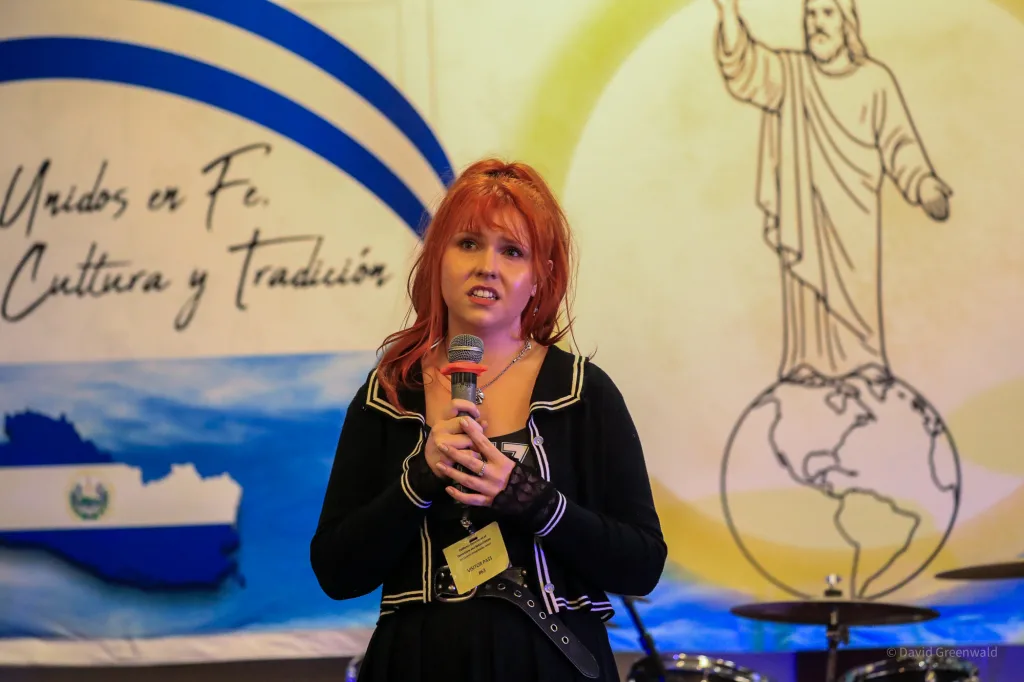
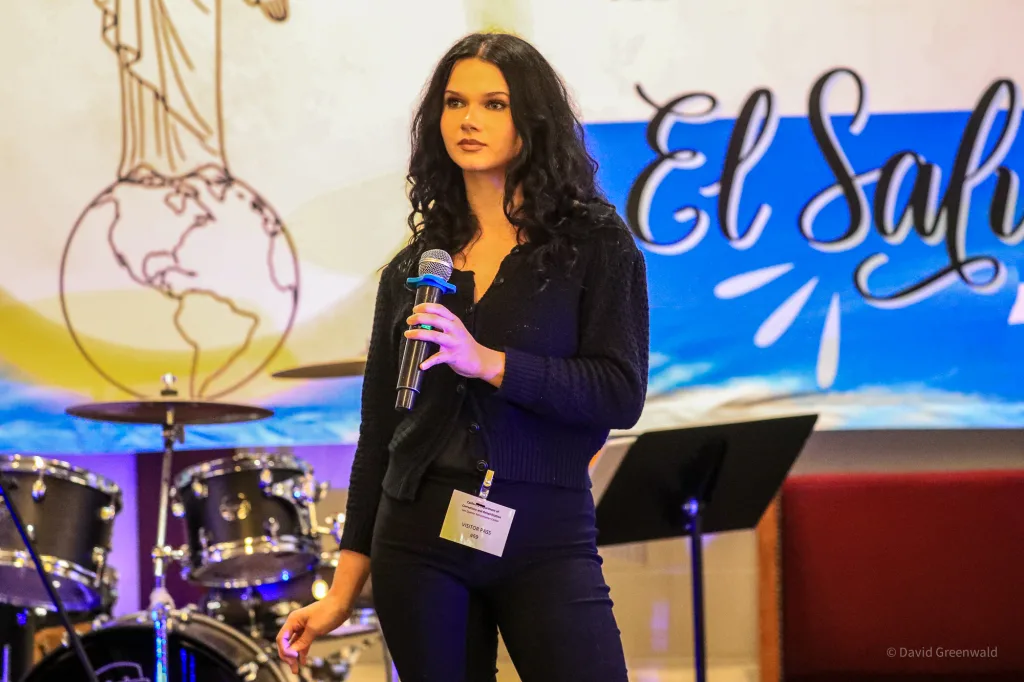
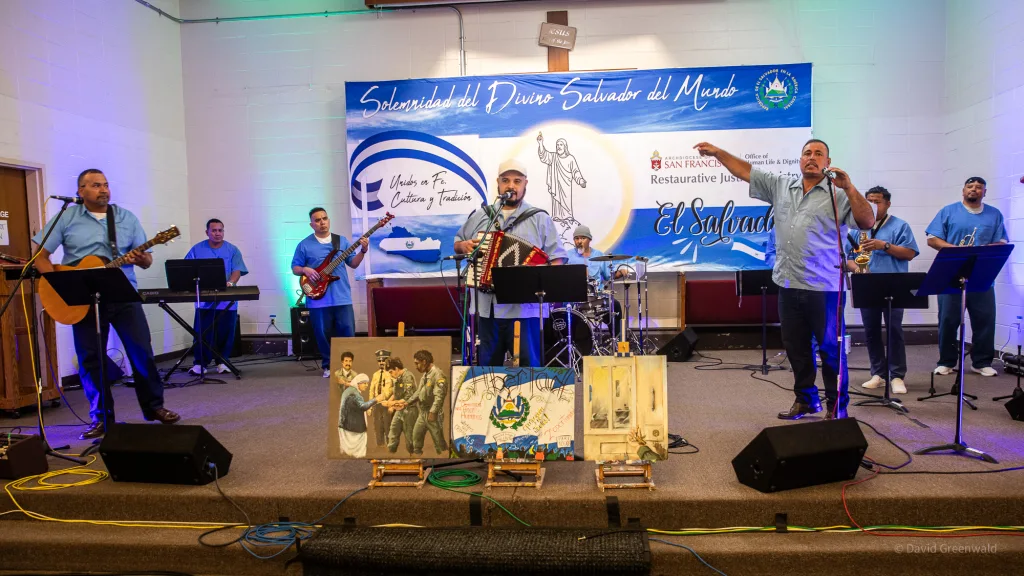
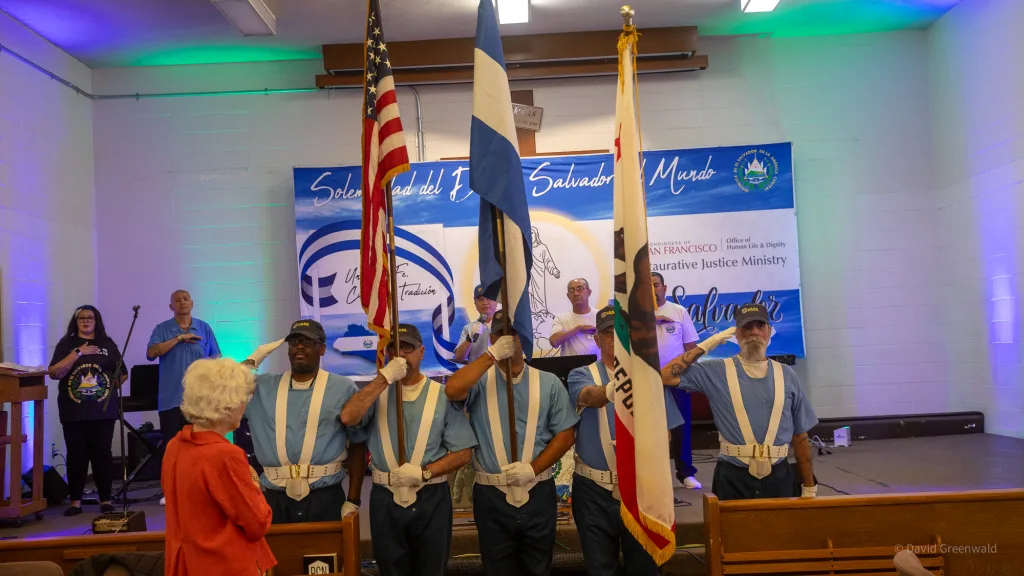
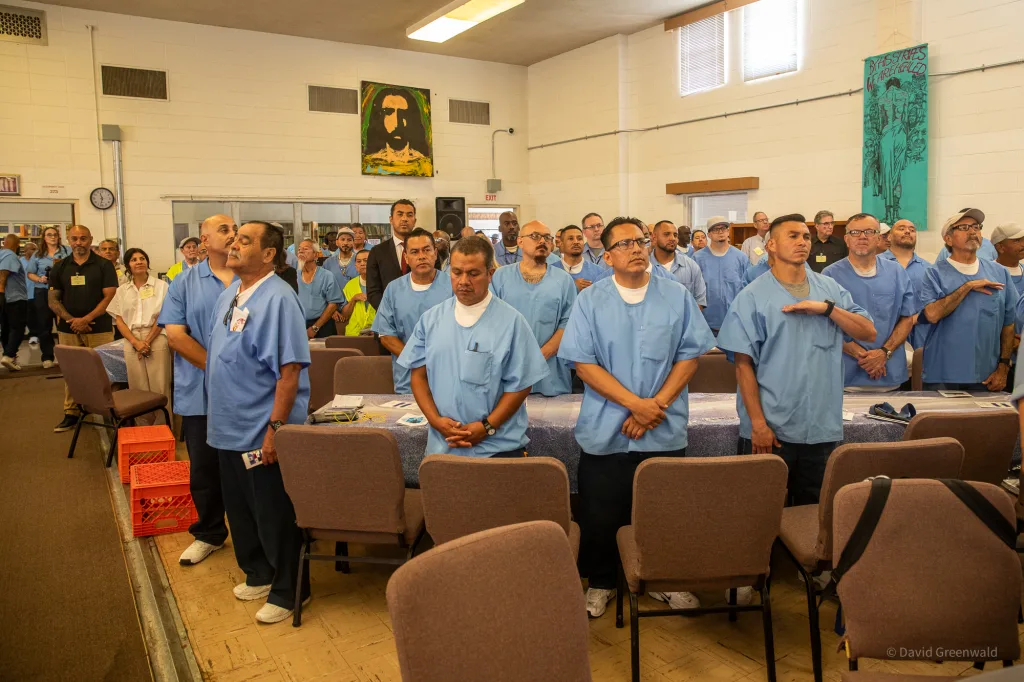
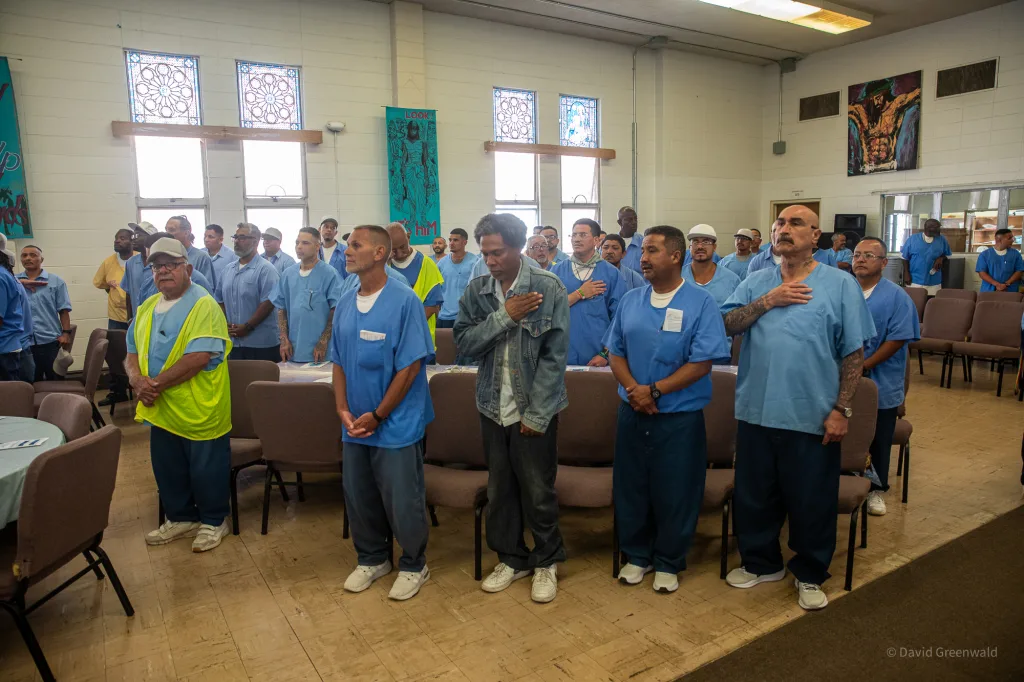
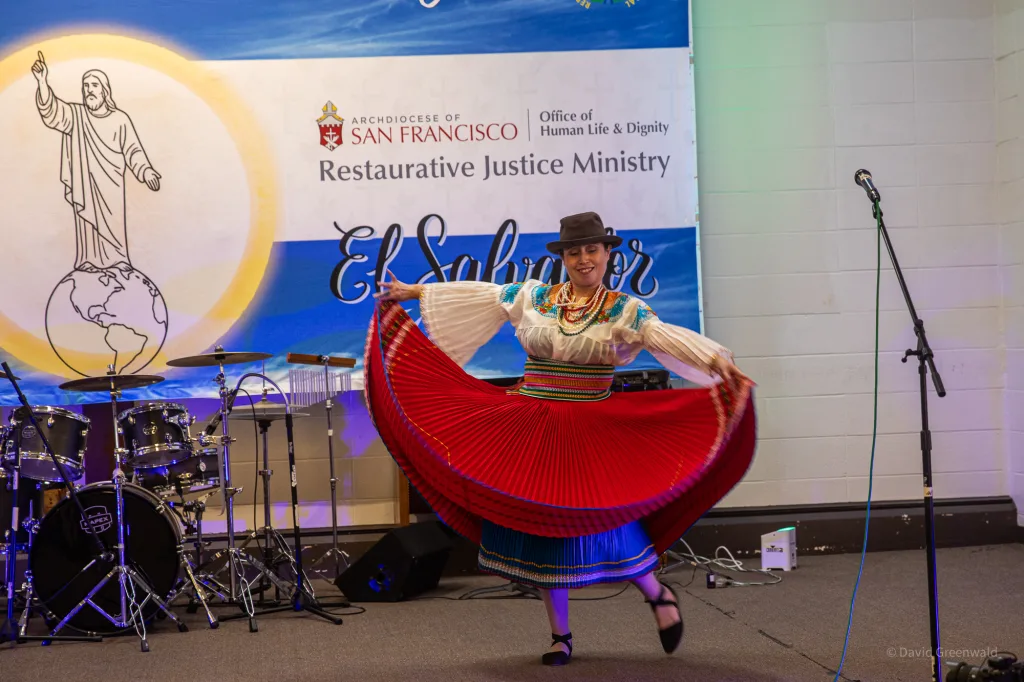
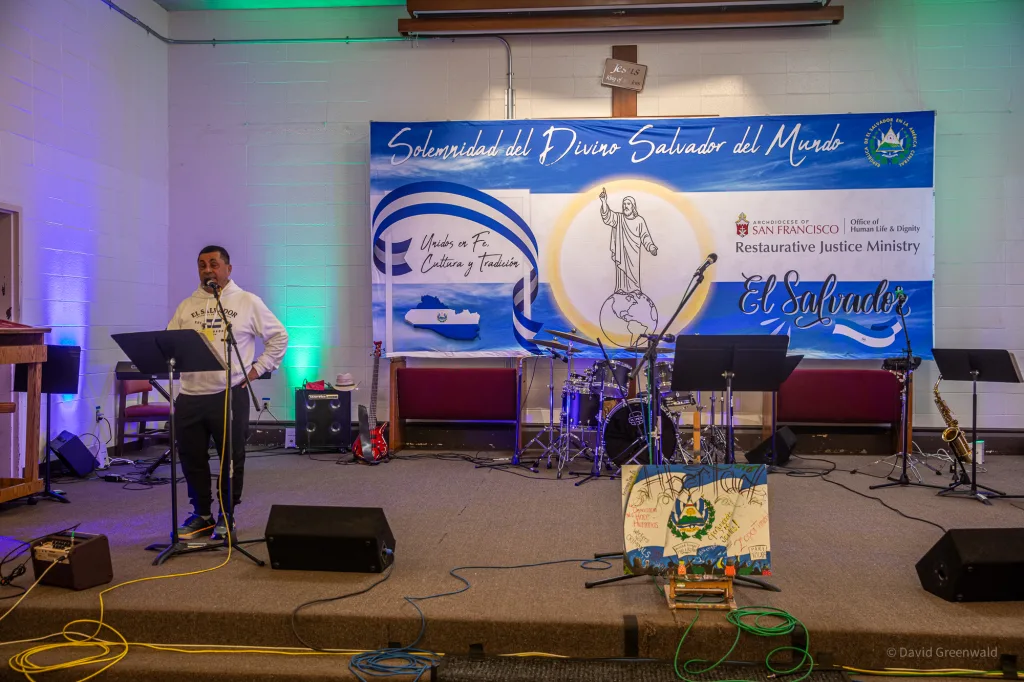
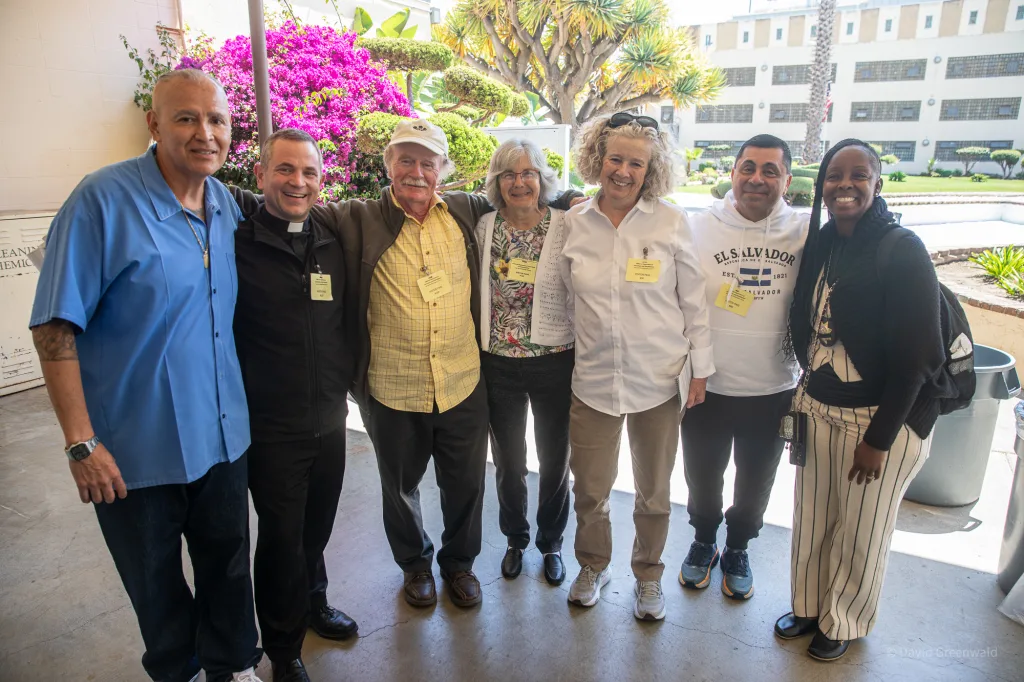
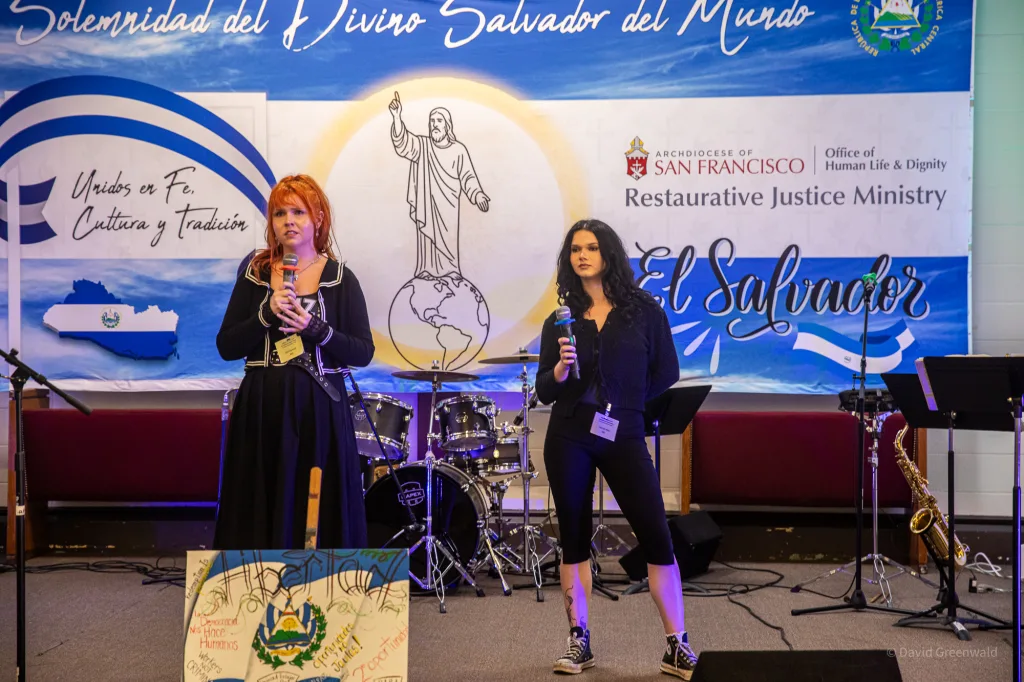
The 2nd Annual Fiesta de El Salvador del Mundo brought incarcerated organizers together with members of the outside community for several hours of religious observance, Salvadoran history, cultural performances, food and fellowship.
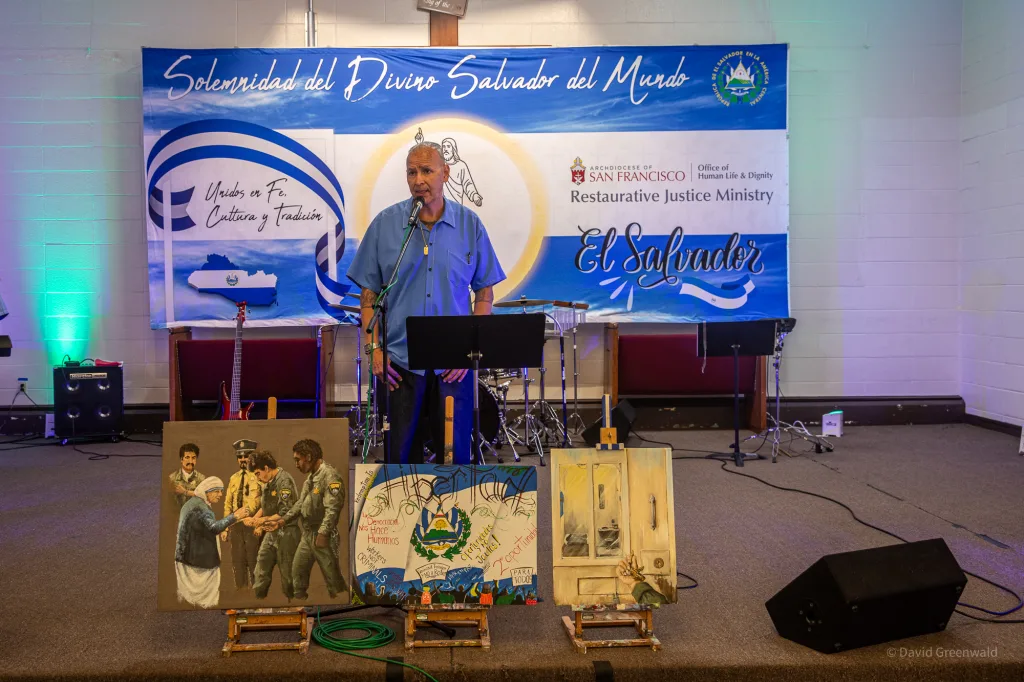
The Aug. 7 event, organized in conjunction with the Archdiocese of San Francisco, was billed as “Fe que Transforma | Faith that Transforms.” The archdiocese listed the celebration at San Quentin as running from 10:30 a.m. to 3 p.m.
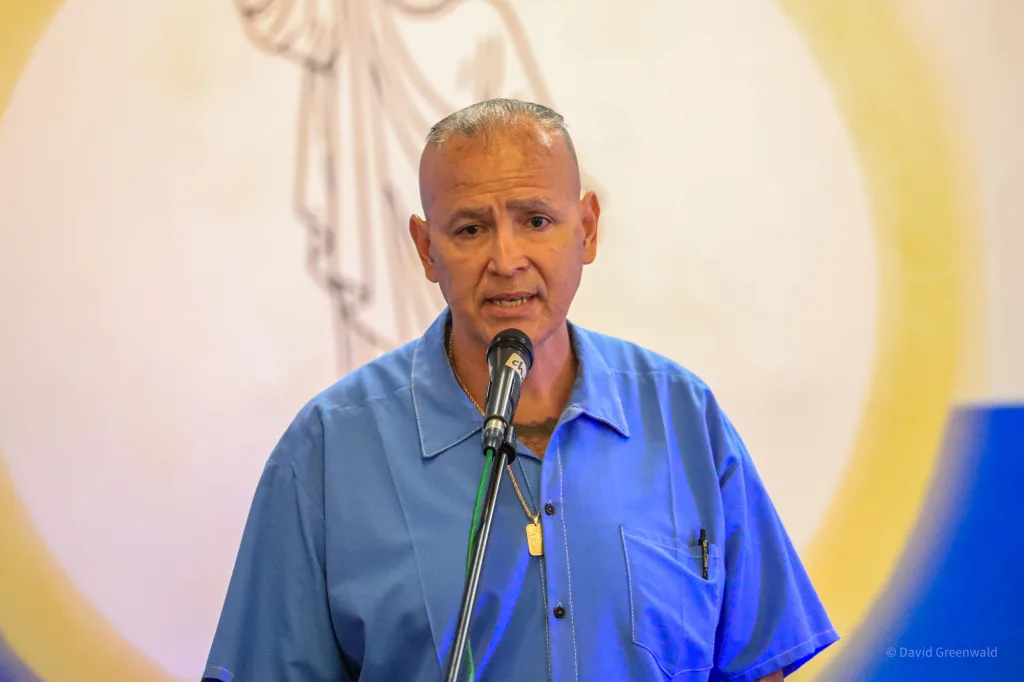
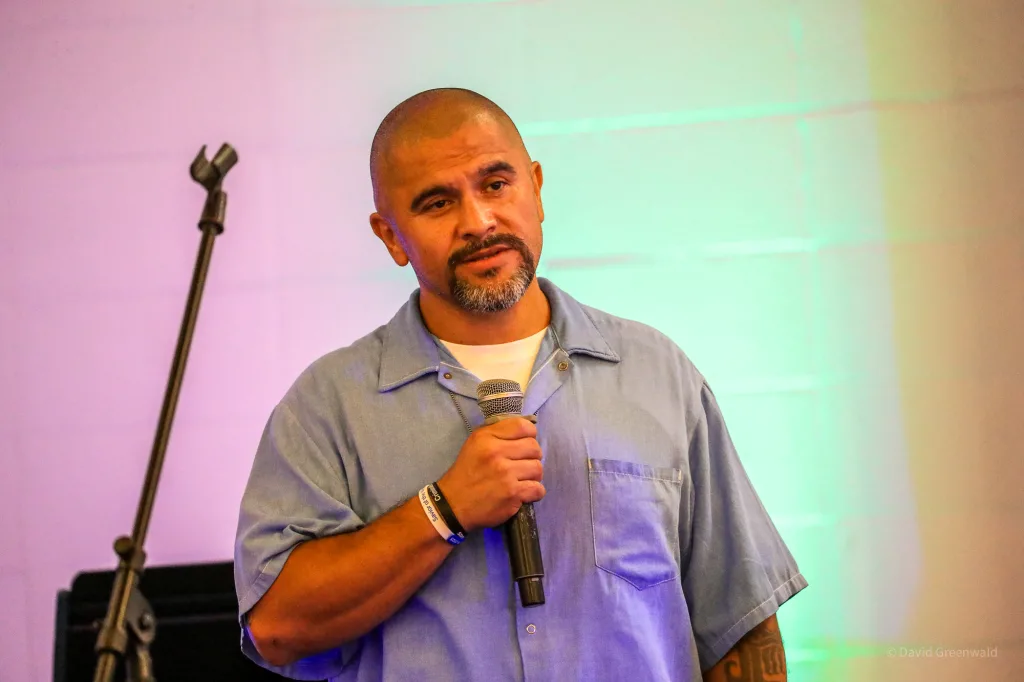
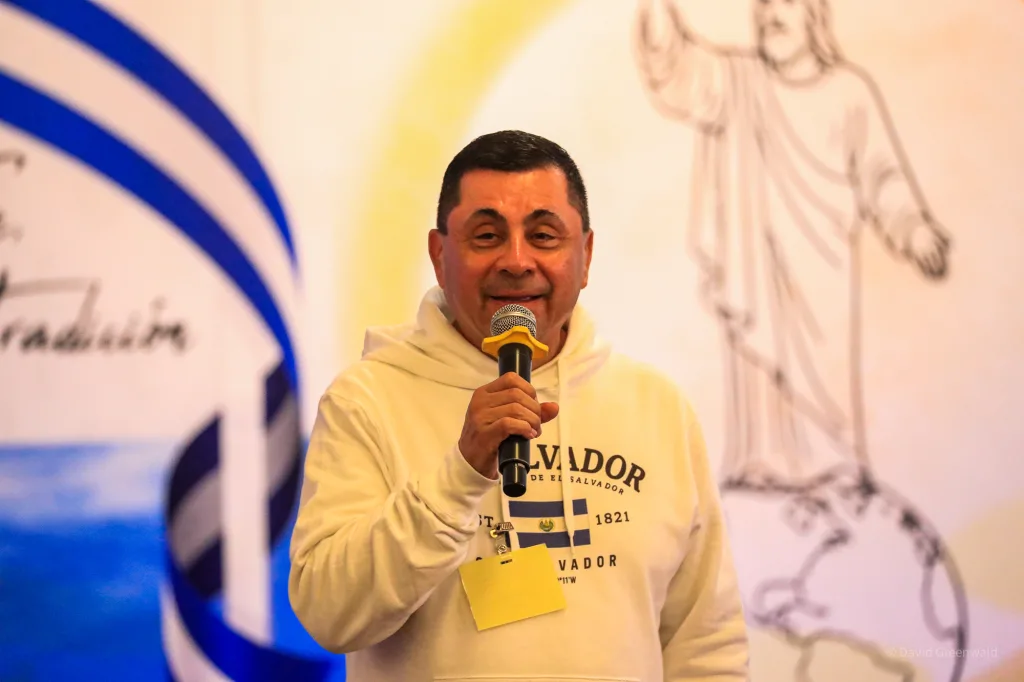
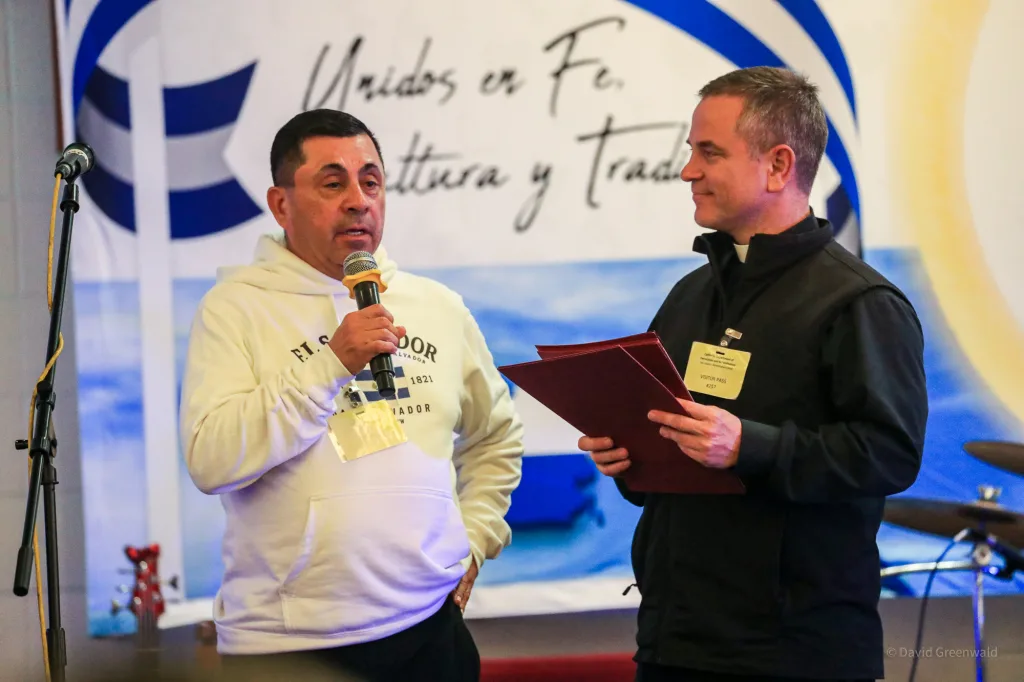
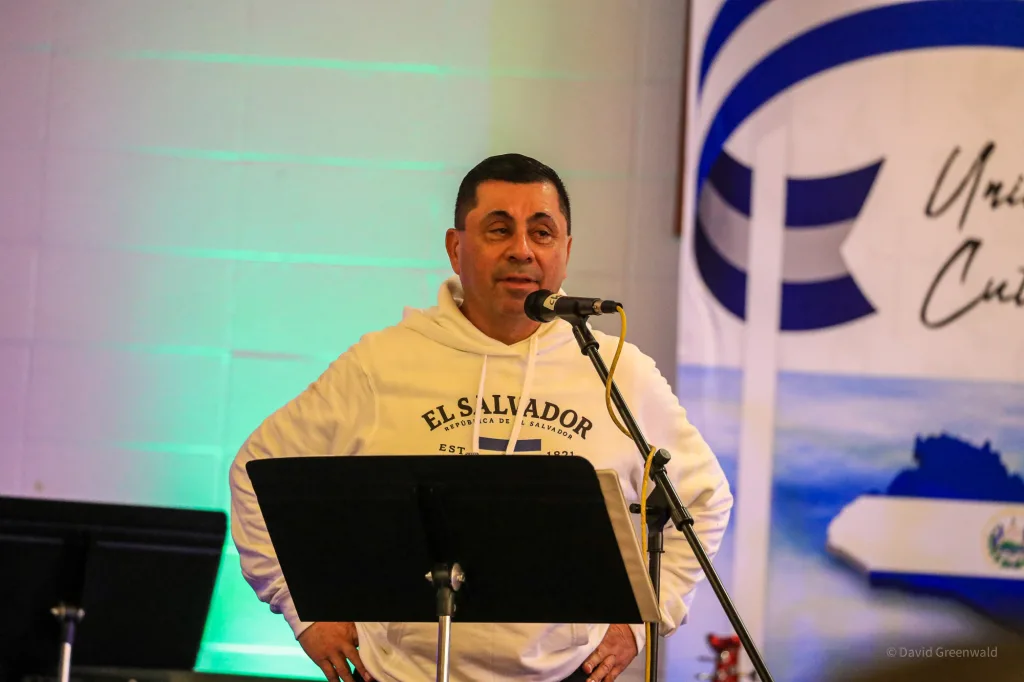
For Edwin E. Chavez, one of the incarcerated organizers, the event was about something fundamental: the ability to openly embrace a cultural identity that can become obscured inside prison and, for some, long before incarceration.
“This program is today a program is about us, Salvadorian, to be able to openly celebrate and educate all the people about our heritage,” Chavez said. “What does being Salvadorian means? There’s a perception that when you speak Spanish, they say you speak Mexican, right?”
Chavez said San Quentin’s evolving rehabilitation model has created room for incarcerated people to explore not only accountability for their crimes but also questions of identity and belonging.
“And that’s the beauty about rehabilitation center here at San Quentin,” Chavez said. “They give us their space for us to talk about our rehabilitation and our identity. That’s where the healing comes in.”
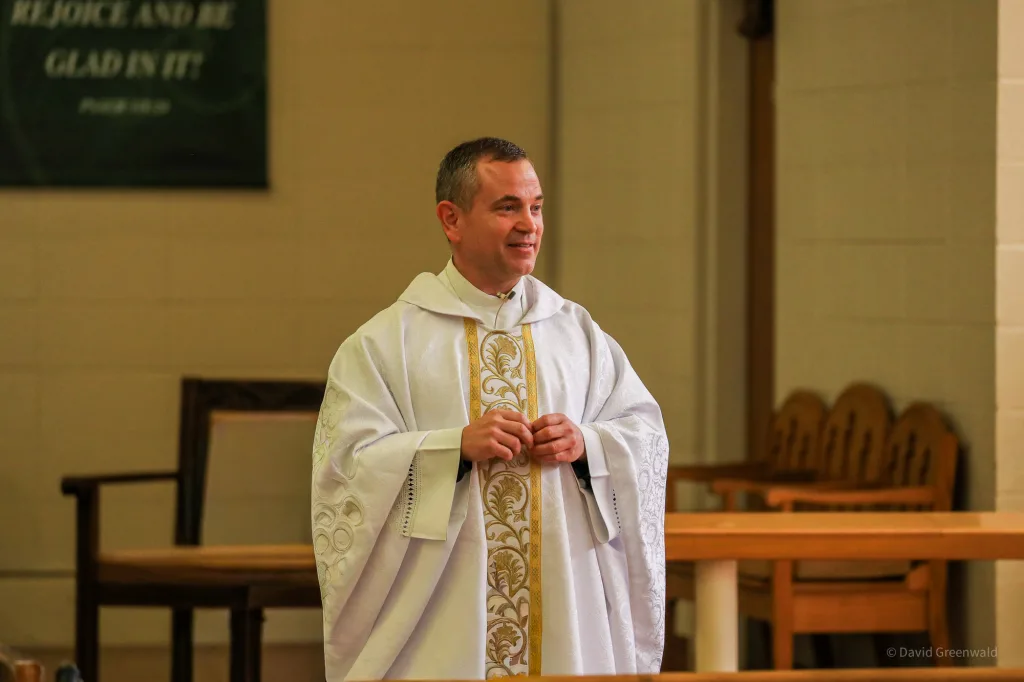
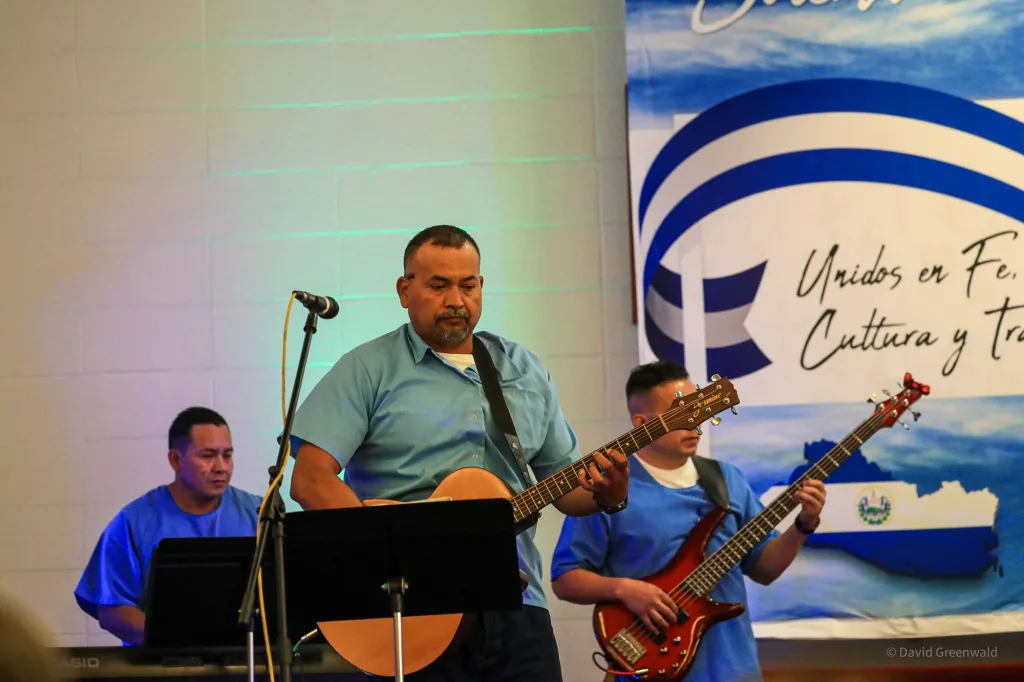
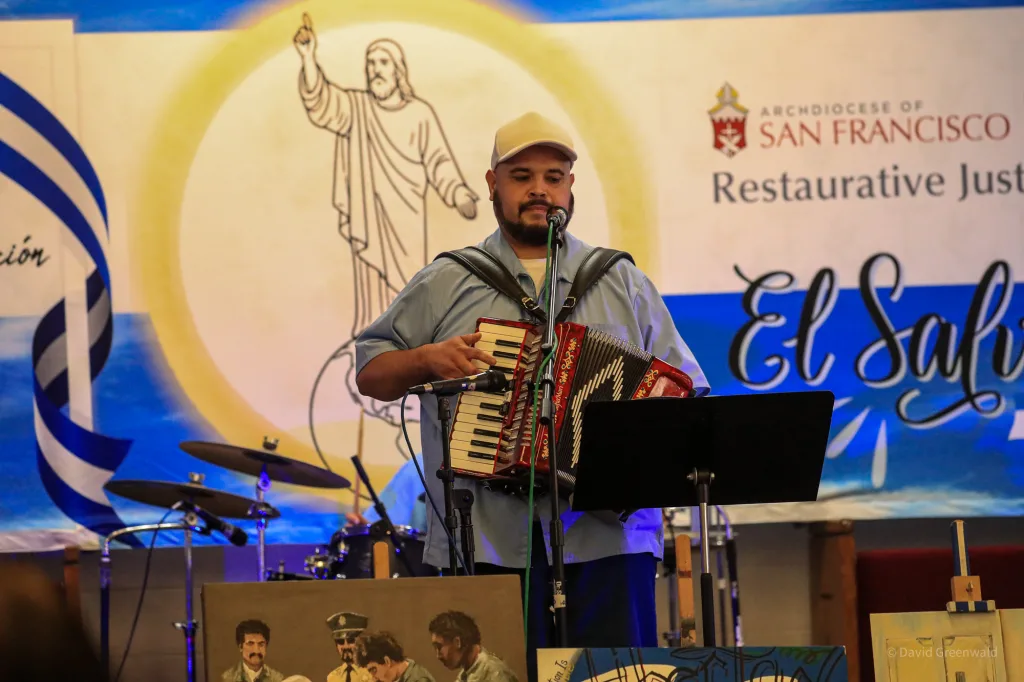
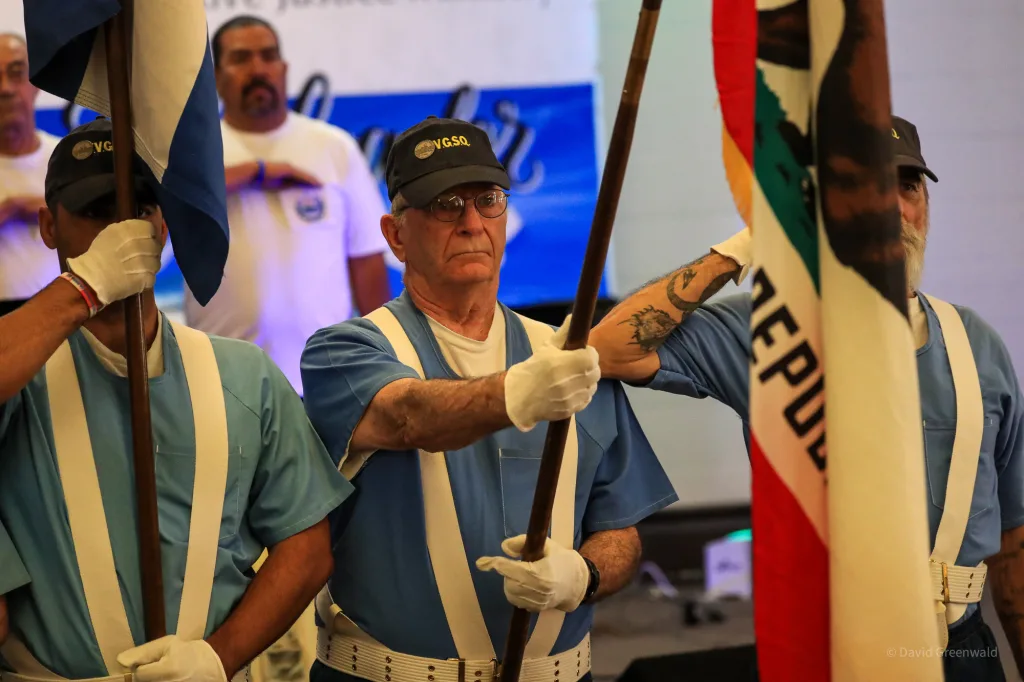
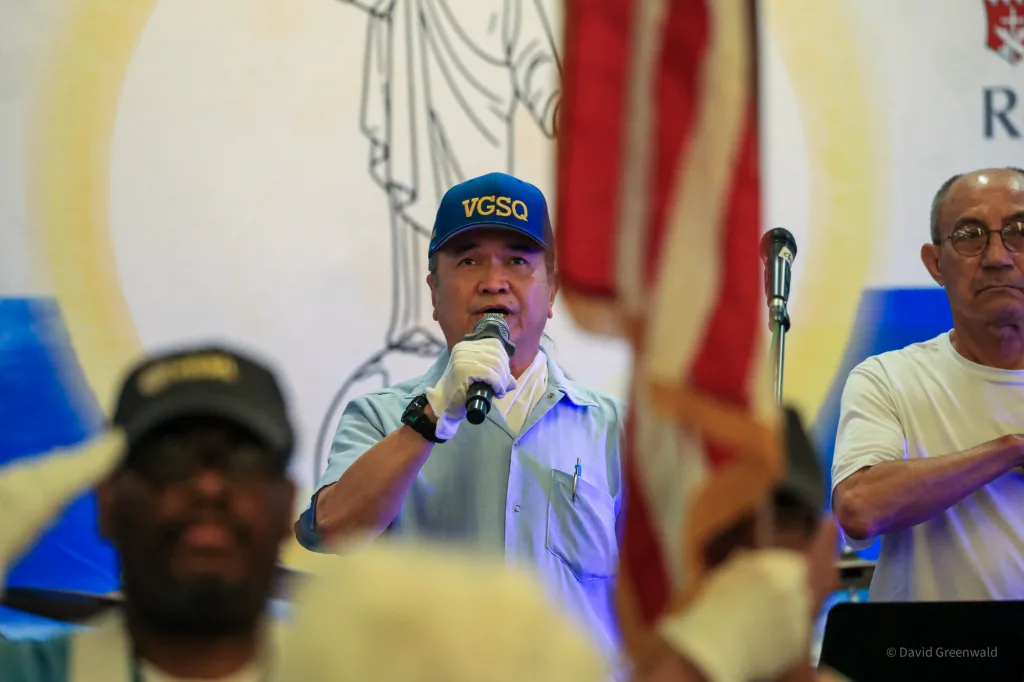
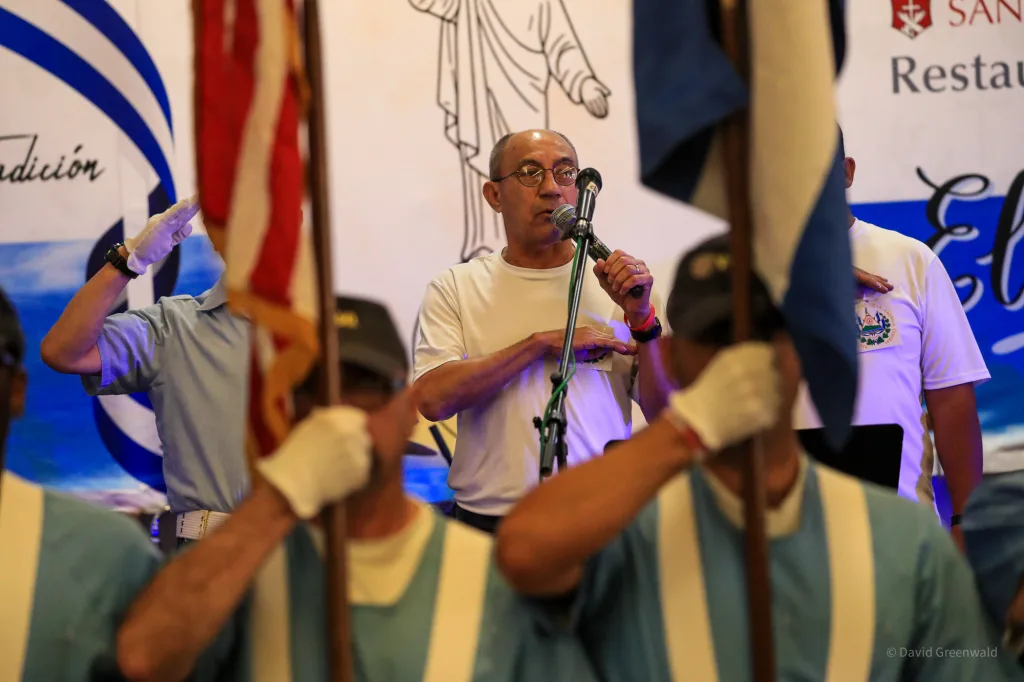
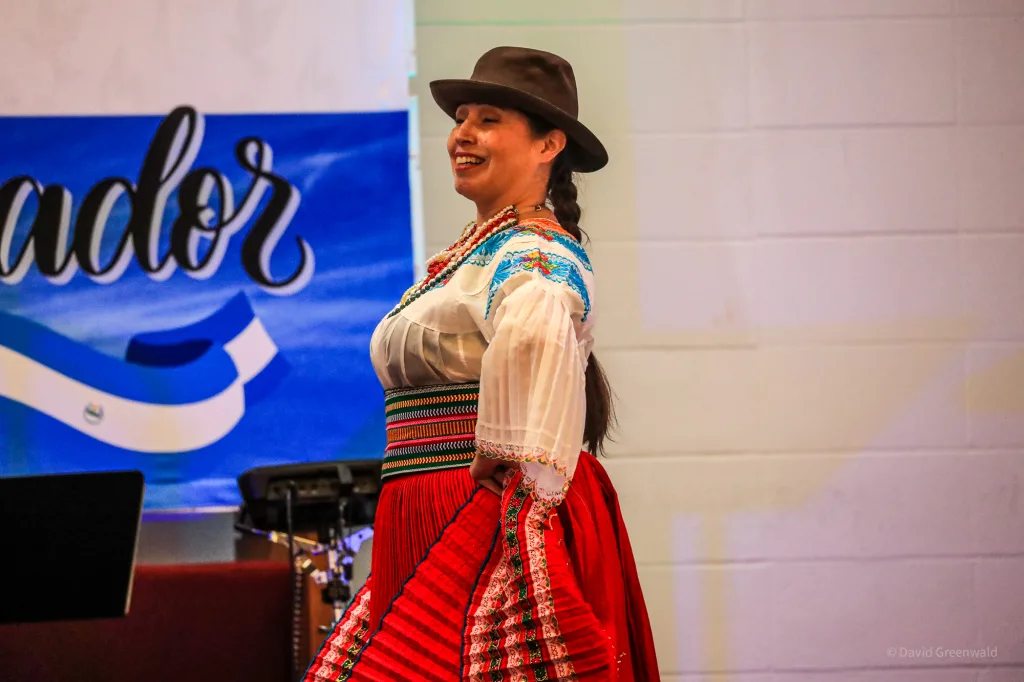
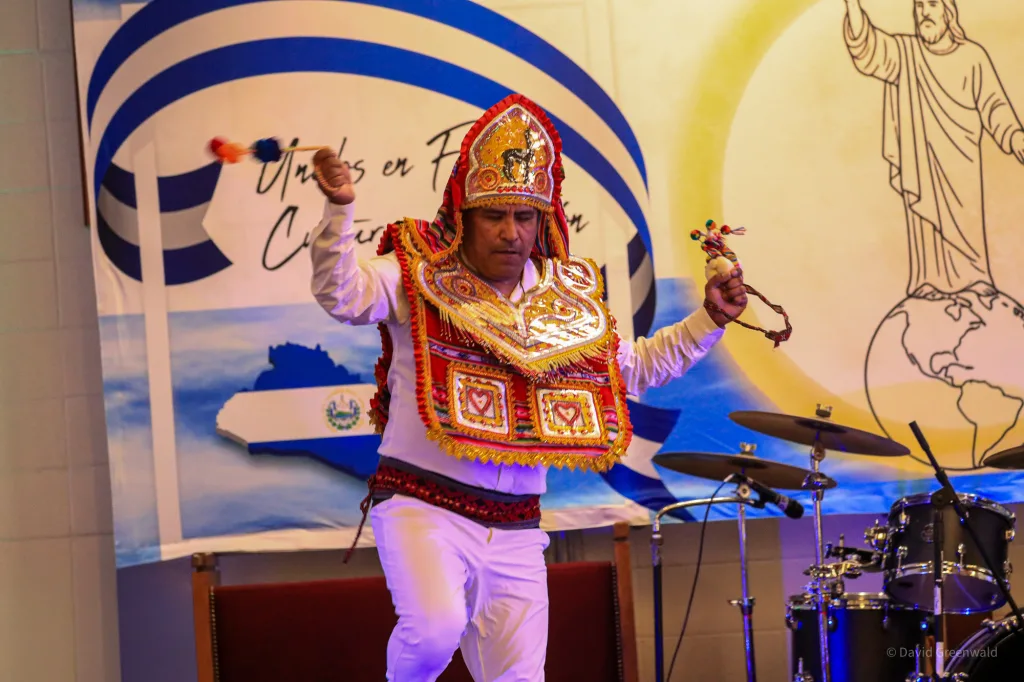
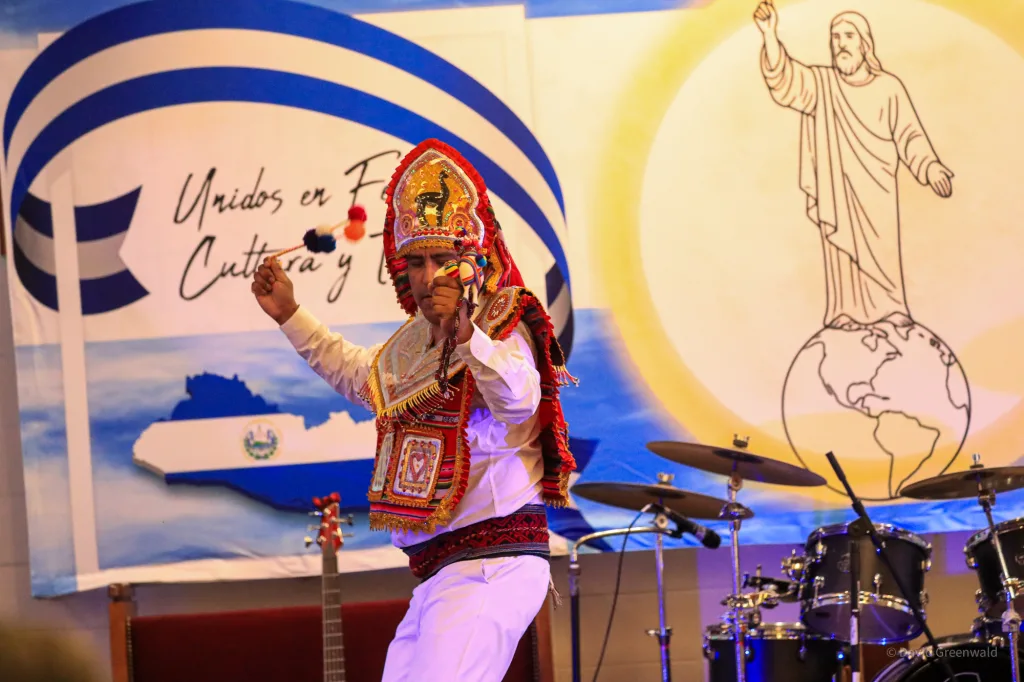
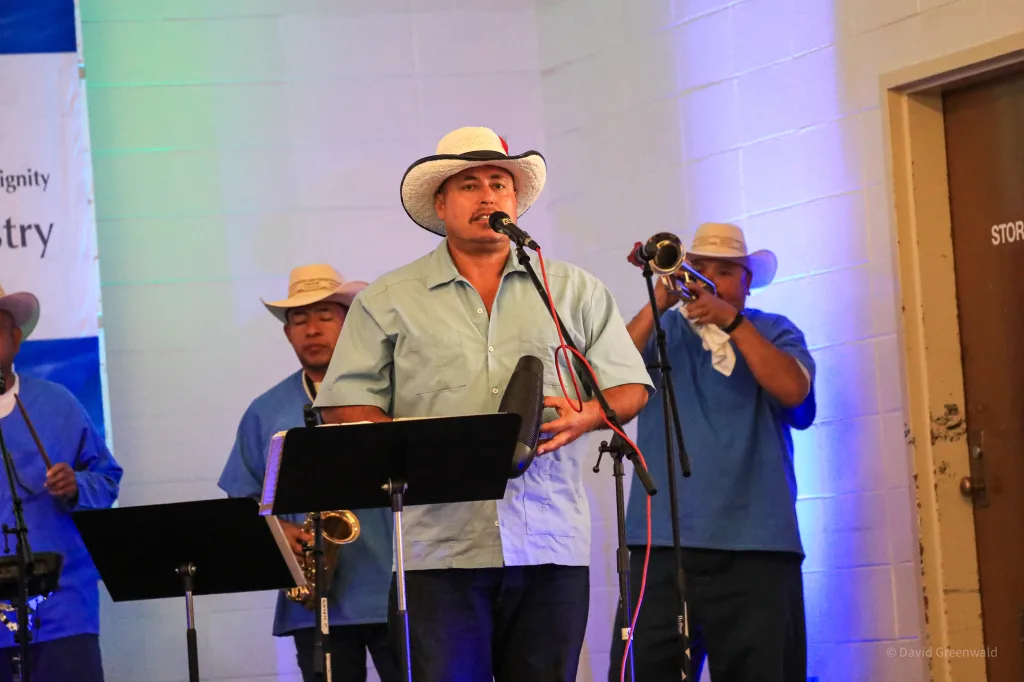
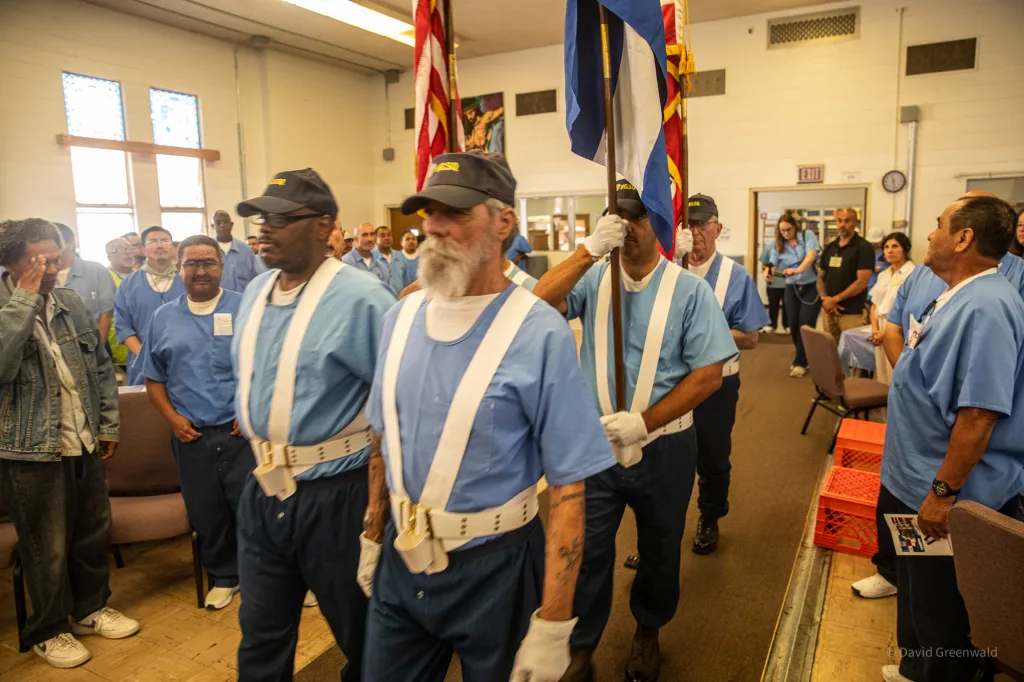
That connection between cultural identity and rehabilitation was visible throughout Friday’s program. The event schedule included the presentation of the Salvadoran flag and national anthem, an invocation, welcoming remarks, cultural performances, restorative justice remarks, a group performance and fellowship.
Chavez described his own struggle with cultural identity growing up.
“When I was a kid, I didn’t know if I was Salvadorian, was I Mexican, was I an American? Because the culture I grew up with,” he said.
But the celebration was also intended to highlight what Chavez sees as the broader rehabilitative changes taking place at San Quentin.
“The other aspect of it is to also highlight the effort that administration is doing here at San Quentin, which is rehabilitation programs, restorative justice,” he said.
Chavez argued that restorative justice cannot be confined within prison walls.
“Restorative justice is not only for the incarcerated. It’s also for our community,” he said.
At the center of his message was the idea that incarceration does not erase a person’s humanity.
“We never stopped being human,” Chavez said. “We were human before we committed those crimes.”
Chavez said he has been incarcerated since he was 18. Thirty-two years later, the opportunity to help organize a cultural celebration inside San Quentin was something he once could not have imagined.
“It means a privilege, a blessing, an honor,” Chavez said. “And I don’t think there’s enough words that can actually summarize that.”
The celebration was intentionally broader than the Salvadoran community, he said, bringing together people with roots throughout Central and South America as well as Black and white participants.
“I mean, it means a lot because that’s what community is all about,” Chavez said.
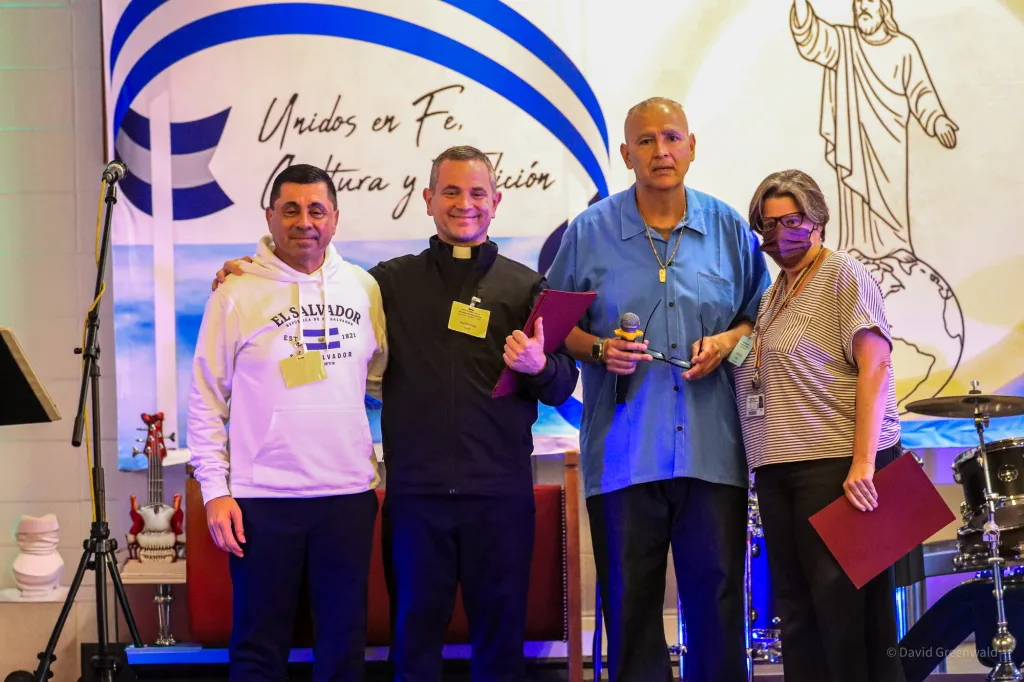
The Archdiocese of San Francisco’s restorative justice ministry played a central role in bringing outside community members into the institution.
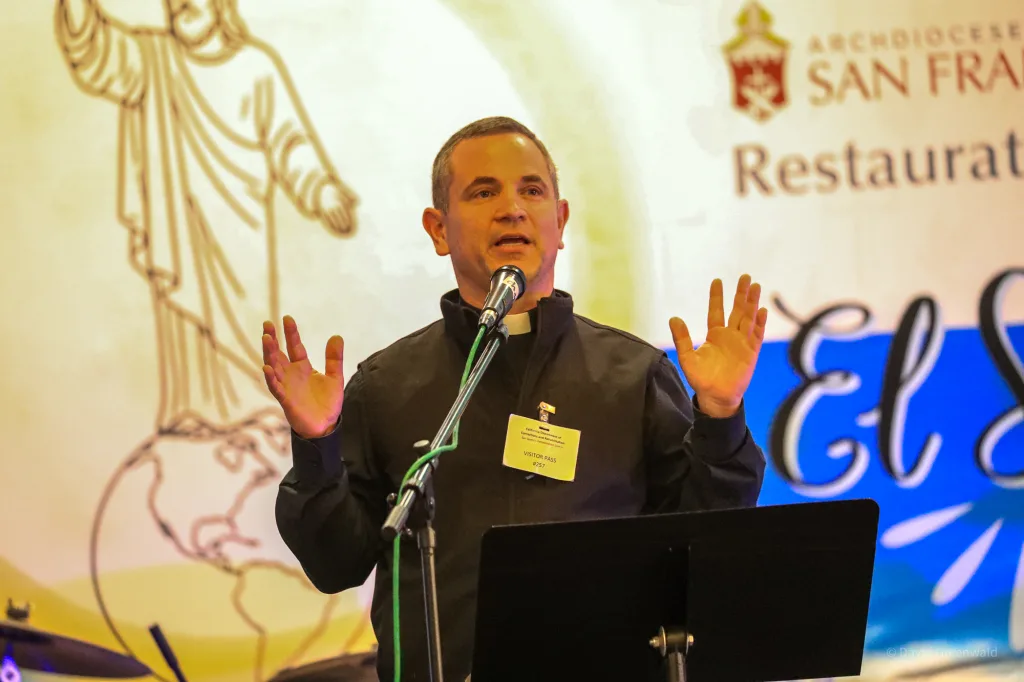
Julio Escobar, restorative justice coordinator for the Archdiocese of San Francisco, said his work began three decades ago in San Francisco’s juvenile hall.
“My mission started 30 years ago working in Juvenile Hall in San Francisco,” Escobar said. “And I did 15 years with the youth and then I was fortunate to be hired by the archdiocese to manage the restorative justice ministry.”
Escobar said the credentials and resources of the archdiocese eventually allowed him to expand programming at San Quentin.
“And that’s how really I got started,” he said. “So I had 15 years of experience in the community first. And then once I came to the archdiocese, I had an ample way of invast opportunities to develop programs. And that allowed me to come to San Quentin and be able to do more programs with the credentials of the archdiocese.”
The archdiocese has an established presence at San Quentin through its restorative justice work. Earlier this year, Escobar participated in a Day of Healing at the prison during National Crime Victims’ Rights Week, where the archdiocese said he was there to honor victims and listen to speakers, including incarcerated people.
Asked what Friday’s celebration meant to him, Escobar redirected the question toward the incarcerated men participating in it.
“It’s not what it means to me, but what it means to the men,” he said. “Because this moment people won’t forget.”
For several hours, he said, the institutional environment can temporarily recede behind the experience of sharing food, culture, faith and community.
“It’s an afternoon that people are focused on what’s going on, the food and everything else,” Escobar said. “I think some of them forget that they’re here.”
Escobar connected those moments directly to restorative justice and the difficult process of confronting past harm.
“It’s about them and their space of encounter with the restorative justice to begin basically dealing with their shame of past mistakes and begin their healing when they move out,” he said.
The celebration also included religious readings and reflections tying Salvadoran history and identity to themes of liberation, faith and transformation. The program incorporated readings from Scripture in both Spanish and English, including passages from Exodus, Psalms, Daniel, Peter and Luke.
One presentation traced Salvadoran history from the Spanish colonial period through independence, while discussing the country’s cultural and religious development and the role of figures including José Matías Delgado.
The speaker described Delgado’s religious vocation as intertwined with service to people who lacked political power.
“He chose it because he had a calling, a calling to serve, a calling to defend, and a call to lift those who suffered,” the speaker said.
The event was also explicitly connected to contemporary questions of immigration and belonging.
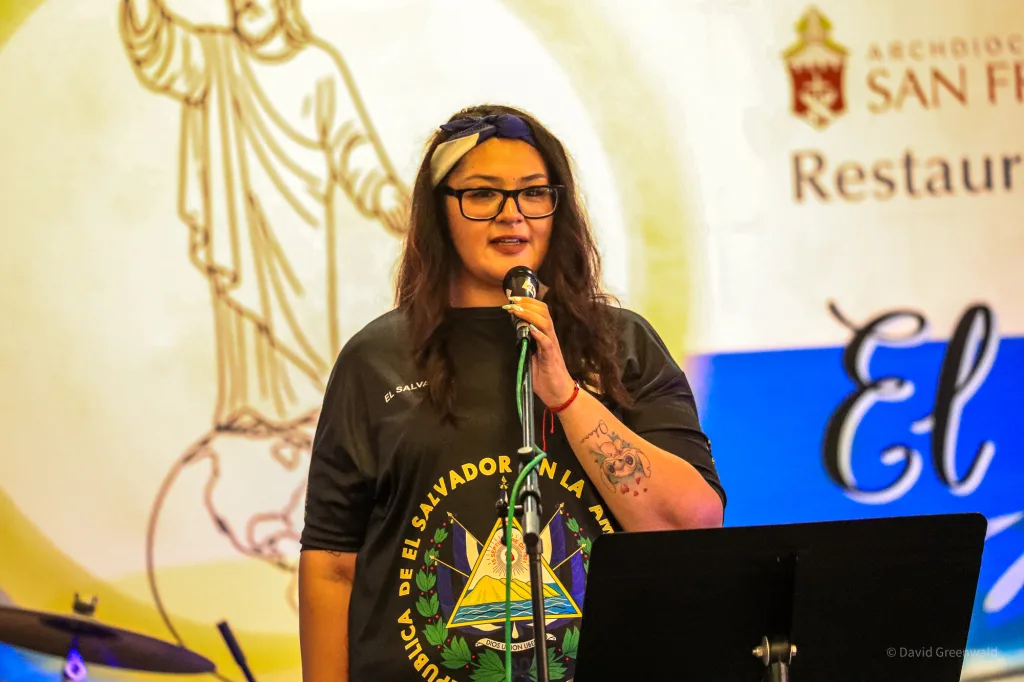
Another speaker described how the celebration had changed his own relationship to Salvadoran identity amid concerns about deportation.
“I then identified as a Salvadoran and not just Salvadoran now as an immigrant,” he said.
He said preparing for the celebration helped produce a deeper understanding of Salvadoran identity rather than what he characterized as simple national pride.
“It’s understanding what a Salvador is, who we are as a people, our history, our culture, our language, even our different Spanish from the rest of other Hispanic Spanish,” he said.
“Moving forward, we want to continue to bring attention to the issue of immigration,” he added. “Because it is an issue. It’s a situation.”
For Chavez, however, the significance of bringing people from outside San Quentin into the institution goes beyond the celebration itself. Sitting alongside people from the broader community can become part of preparing incarcerated people for an eventual return home.
“It helps you because you come together as a community,” Chavez said. “It helps you sit with somebody next to you from the outside community. That’s a step forward before you integrate back into society.”
He contrasted that experience with the restrictions of other prisons, where even obtaining basic necessities could require permission from correctional officers.
“Part of the normalization is being able to have the autonomy,” Chavez said.
That normalization, he said, is part of rehabilitation itself.
“That’s what this whole thing is about,” Chavez said. “The event, the self-programs. It gives the person individually the opportunity to better themself and to find themself.”
He described his own transformation in similarly direct terms.
“In the past, I had a lot of energy doing negative things,” Chavez said. “Now I have all this energy doing positive things.”
For Escobar, the urgency of creating those opportunities comes down to what institutions and communities choose to do with the people who are incarcerated now.
“Look, if we don’t do it, then who’s going to do it?” Escobar said. “And if we don’t take this opportunity, then when are we going to do it? And if it is not our love that we showed now, then what will it be?”
“So this is the moment,” he continued. “We don’t know about tomorrow or next year, but we know about now. And so we’re taking the opportunity to do the best that we can.”
To comment please go to one of these social media platforms:
Facebook: https://www.facebook.com/DavisVanguard
LinkedIn: https://www.linkedin.com/company/peoples-vanguard-of-davis-inc/
Instagram: https://www.instagram.com/davisvanguard/
X: https://x.com/davisvanguard
Bluesky: https://bsky.app/profile/vanguardnewsgroup.bsky.social
Subscribe to the Vanguard News letters. To make a tax-deductible donation, please visit davisvanguard.org/donate or give directly through ActBlue. Your support will ensure that the vital work of the Vanguard continues.
