
Idaho First State to Shield Firing Squad Executions from Court Review
A new Idaho law exempts execution procedures from judicial review and public scrutiny, raising concerns about transparency and accountability in the death penalty system.

A new Idaho law exempts execution procedures from judicial review and public scrutiny, raising concerns about transparency and accountability in the death penalty system.

Studies summarized by the Death Penalty Information Center indicate that the race of a victim plays an important role in death penalty sentencing outcomes, with cases involving white victims more likely to result in capital charges and death sentences than cases involving nonwhite victims.
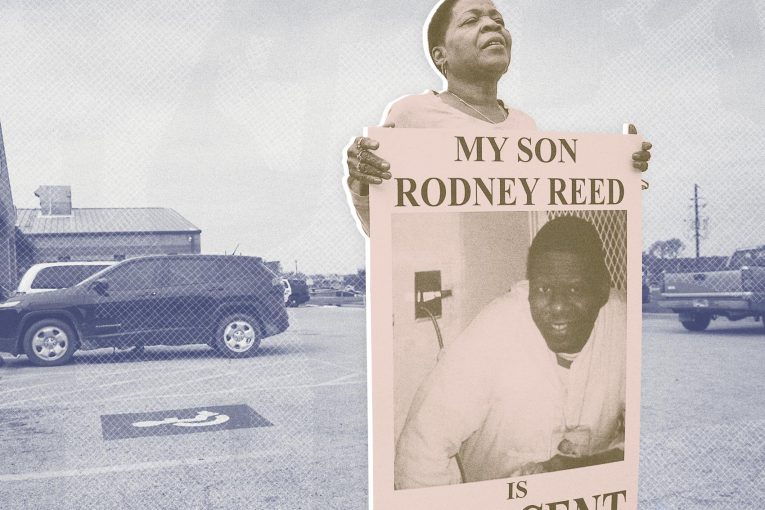
The U.S. Supreme Court declined to hear an appeal from Texas death row prisoner Rodney Reed, rejecting his latest effort to obtain DNA testing that he argues could prove his innocence.

Israeli lawmakers passed the Death Penalty for Terrorists Law, which mandates death by hanging for offenses classified as “terrorism related” and applies exclusively to Palestinians, despite international condemnation and concerns from human rights groups.
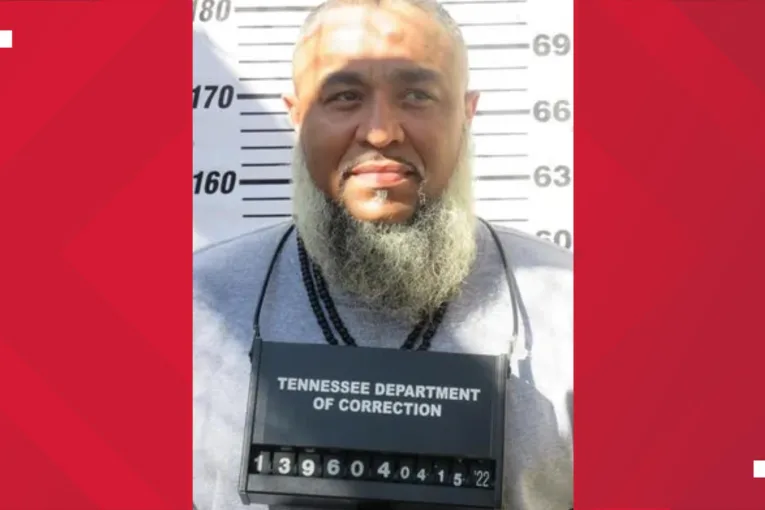
The ACLU of Tennessee has filed a motion with the Tennessee Supreme Court to conduct DNA testing in the case of Tony Carruthers, arguing that the results could prove his innocence before the state carries out the execution.

James E. Hitchcock has filed a motion in the Ninth Judicial Circuit Court, arguing that withheld execution records, newly developed evidence of innocence, and constitutional violations render his death sentence unlawful and requesting a stay of execution and the vacatur of his conviction and sentence.
Executions in the US are becoming increasingly cruel, with states adopting new methods such as nitrogen hypoxia and lethal injection, raising constitutional concerns under the Eighth Amendment.

The Israeli Knesset has passed a controversial bill expanding the use of the death penalty for terrorism-related offenses, which critics say is a discriminatory legal framework that overwhelmingly targets Palestinians and accelerates executions with limited oversight.
Rodney Reed was convicted and sentenced to death for the 1996 murder of Stacey Stites in Texas, but has repeatedly sought DNA testing of the belt used to strangle her, which Texas officials have refused to allow despite evidence suggesting another suspect and possible racial bias in the all-white jury that convicted him.
The U.S. Supreme Court declined to hear an appeal from Texas death row man Rodney Reed, rejecting his latest effort to obtain DNA testing that he argues could prove his innocence.
Faith leaders, community advocates, and relatives of a person executed by firing squad are protesting firms involved in constructing Idaho’s execution chamber due to the refusal of pharmaceutical companies to provide lethal injection drugs.

The New York Times editorial board has warned that the death penalty is resurging in the United States, citing its flaws, injustice, and the fact that it is out of step with modern moral standards.
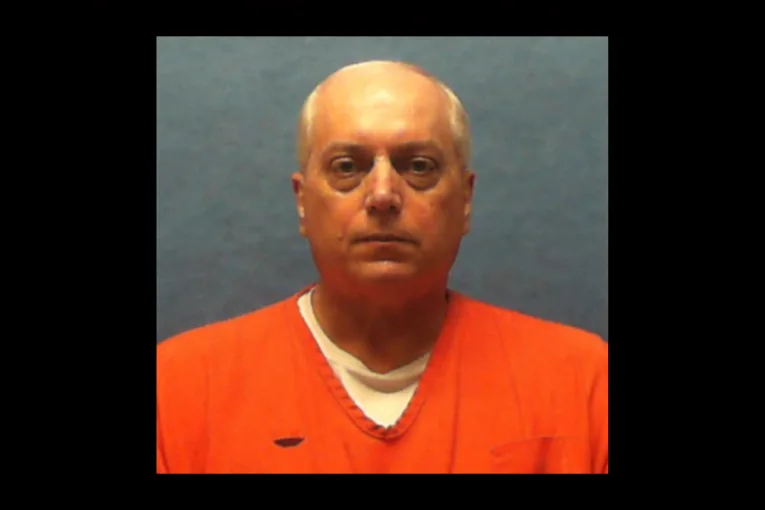
Michael King was executed in Florida for the 2008 kidnapping, rape, and murder of Denise Lee, which led to the creation of the Denise Amber Lee Foundation to advocate for improved emergency response systems.
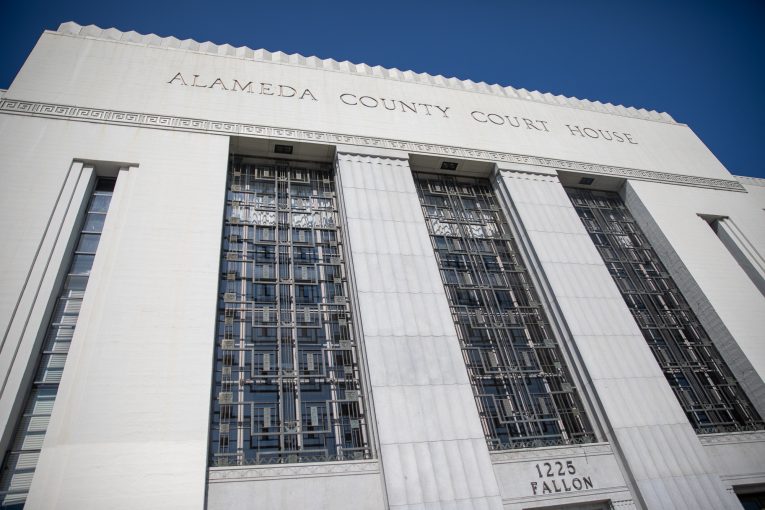
The California Superior Court of Alameda County vacated Franklin Lynch’s death sentence and conviction due to violations of the state’s Racial Justice Act, finding that Assistant District Attorney James Anderson engaged in racially biased conduct during Lynch’s trial.
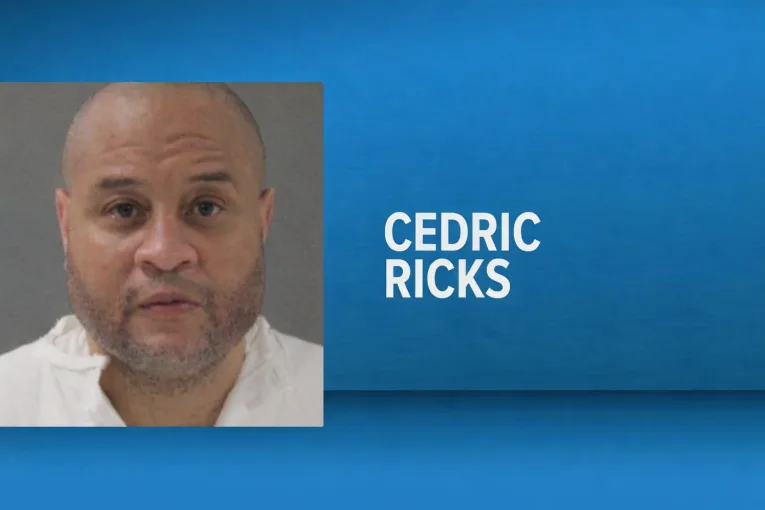
Fair and Just Prosecution condemned the execution of Cedric Allen Ricks by the state of Texas, citing concerns about racial discrimination during jury selection in his capital trial.

Prominent rap artists and music industry figures have filed amicus briefs with the U.S. Supreme Court in support of James Broadnax, a Texas death row condemned man, urging the court to halt his execution while it considers claims of constitutional violations during his trial, including racial bias and the misuse of rap lyrics.
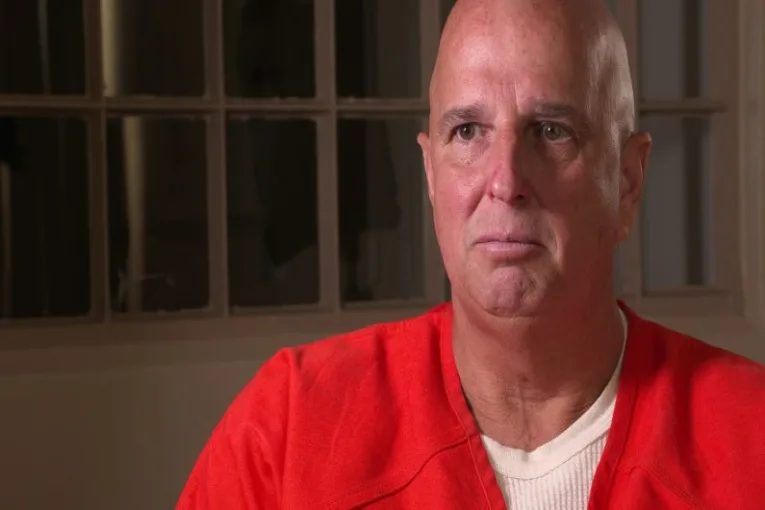
James Duckett, a former Lake County police officer, is scheduled for execution on March 31, 2026, but his attorneys argue that newly revealed evidence and pending DNA testing raise questions about his conviction and the limited timeframe provided for postconviction review.
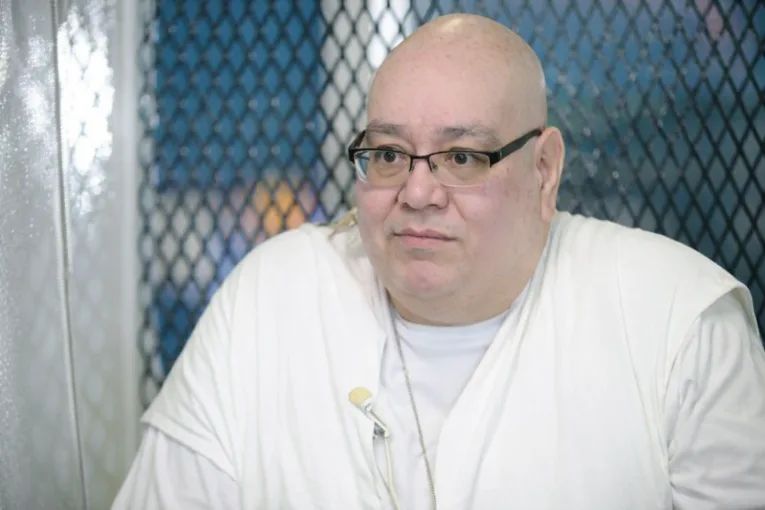
A coalition of advocates, scientists, and entertainers, including Penn & Teller and the American Psychological Association, are urging the U.S. Supreme Court to review the death penalty case of Charles Don Flores, arguing that his conviction relied heavily on eyewitness testimony that was obtained through “investigative hypnosis”.
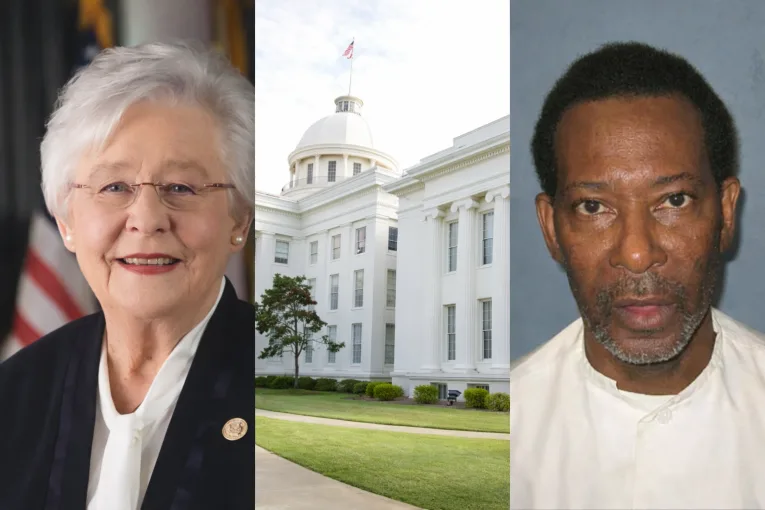
Alabama Governor Kay Ivey commuted the death sentence of Charles “Sonny” Burton, a 75-year-old man who was on death row for his role in a 1991 robbery that resulted in the fatal shooting of a customer, to life imprisonment without parole due to concerns about the felony murder doctrine and the uneven application of capital punishment.

The Death Penalty Information Center’s “What to Know” report concludes that decades of research have failed to produce credible evidence that the death penalty reduces homicide rates.