Civil Rights Groups Sue to Block Arizona Proposition 314 in Federal Court
PHOENIX — The Florence Immigrant & Refugee Rights Project, the American Civil Liberties Union and the ACLU…
Three Supreme Court justices have issued judicial opinions that interpret the Fourteenth Amendment in a manner diverging from its established application, which guarantees citizenship to ‘all persons born’ within U.S. jurisdiction. These perspectives have drawn criticism for effectively narrowing the amendment’s scope to exclude children of undocumented individuals, despite historical records confirming the framers’ explicit rejection of limiting its application solely to freed slaves.
A Yolo County Superior Court judge dismissed a misdemeanor vandalism case, citing constitutional concerns regarding the right to a speedy trial following a more than four-year delay between the complaint’s filing and the accused’s arraignment. Judge Clara M. Levers ruled the lengthy delay created a presumption of prejudice, noting the accused did not contribute to the delay and asserted his rights promptly.
The ACLU has filed a lawsuit against the state of Idaho over a newly passed law that it claims violates constitutional rights and threatens to criminalize everyday activities for transgender residents.
The Brennan Center for Justice is calling for structural changes to the U.S. Supreme Court, including setting term limits for justices, requiring written explanations for emergency decisions, and adopting a mandatory judicial ethics code, in order to increase transparency and accountability and restore public confidence in the Court.
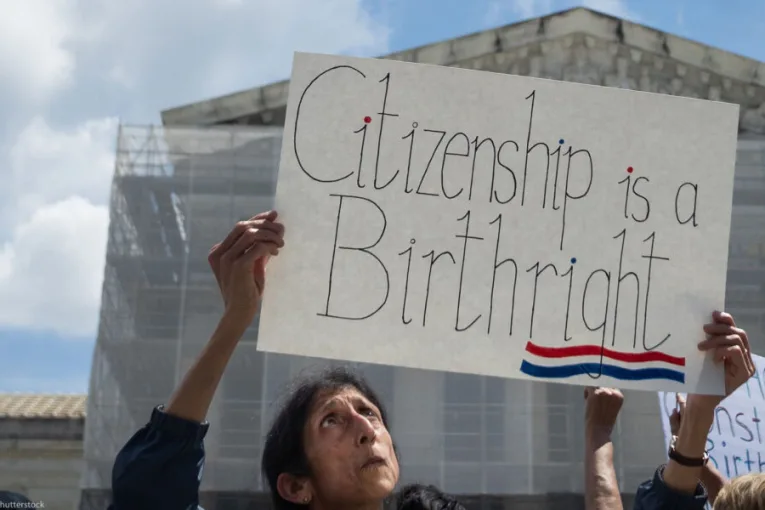
President Donald Trump’s executive order seeking to restrict birthright citizenship faces significant legal headwinds after skeptical questioning from Supreme Court justices during oral arguments, as the administration’s novel interpretation of “domicile” drew sharp scrutiny.
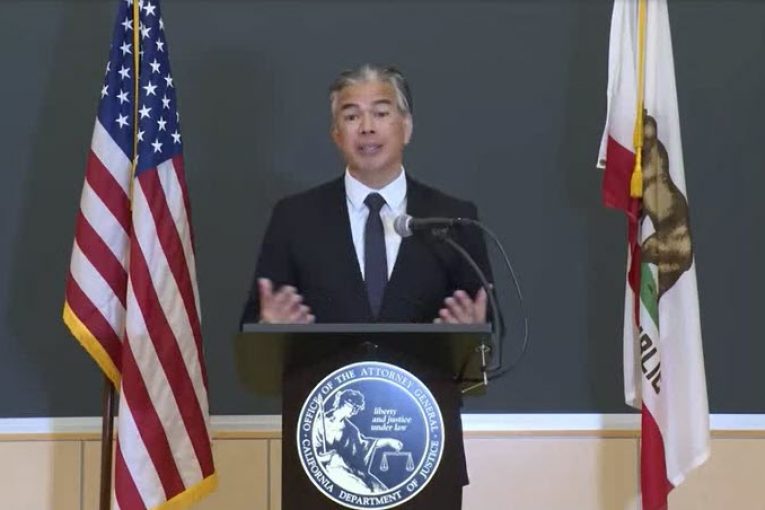
California Attorney General Rob Bonta believes the U.S. Supreme Court will reject efforts to limit birthright citizenship, upholding the longstanding interpretation of the 14th Amendment.
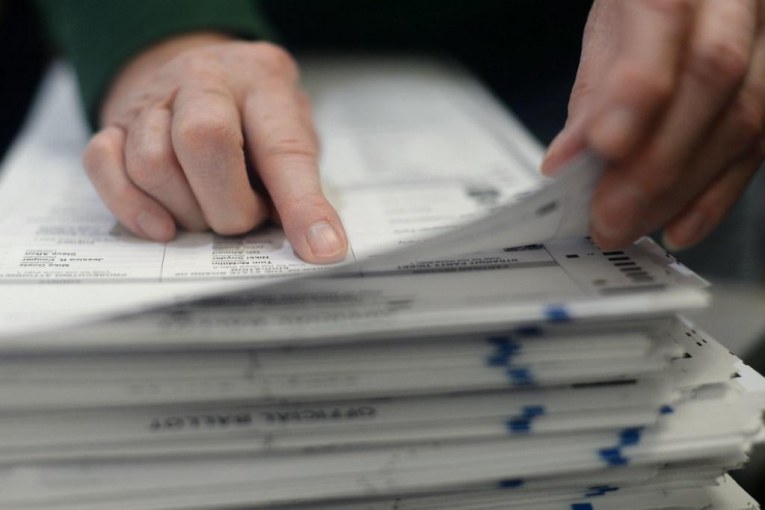
President Donald Trump’s alleged contemplation of removing mail ballots for the upcoming election through an executive order has raised constitutional concerns about executive authority and the regulation of federal elections, as the Constitution explicitly grants Congress the power to make or alter election regulations.
President Donald Trump has allegedly considered eliminating mail ballots for the 2026 midterm elections through an executive order, which would be a violation of the Constitution as the authority to regulate federal elections rests with Congress.
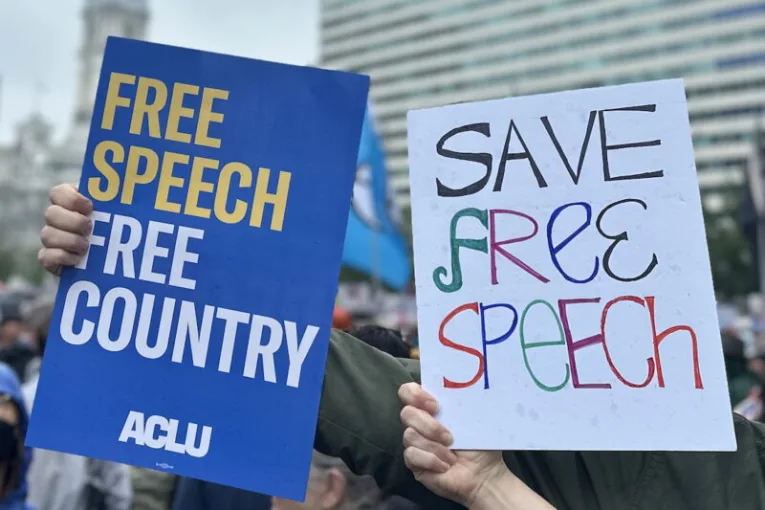
The ACLU of Indiana filed two federal lawsuits against Ball State University on behalf of 11 undergraduate students, alleging the university violated the First and Fourteenth Amendments by enforcing a campus policy that restricts expressive activity within 50 feet of most campus buildings.
The American history of voting rights demonstrates that rights granted by the state are fragile and can be revoked by legislation and judicial decree, proving that true rights are inherent to existence and cannot be taken away by any political shift, leader, or judicial decree.
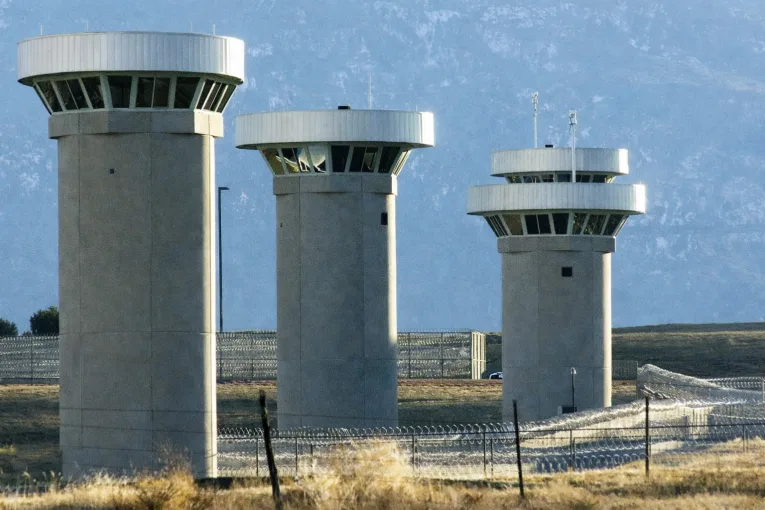
A federal judge has temporarily blocked the transfer of 20 federal prisoners whose death sentences were commuted by former President Joe Biden to the highly restrictive ADX Florence facility, citing serious constitutional concerns.
The federal government has announced plans to transfer almost all formerly federal death row prisoners to the Administrative Maximum Facility (ADX) in Florence, Colorado, despite concerns about constitutional protections and prison conditions, and a lawsuit alleging the transfers are arbitrary and capricious.
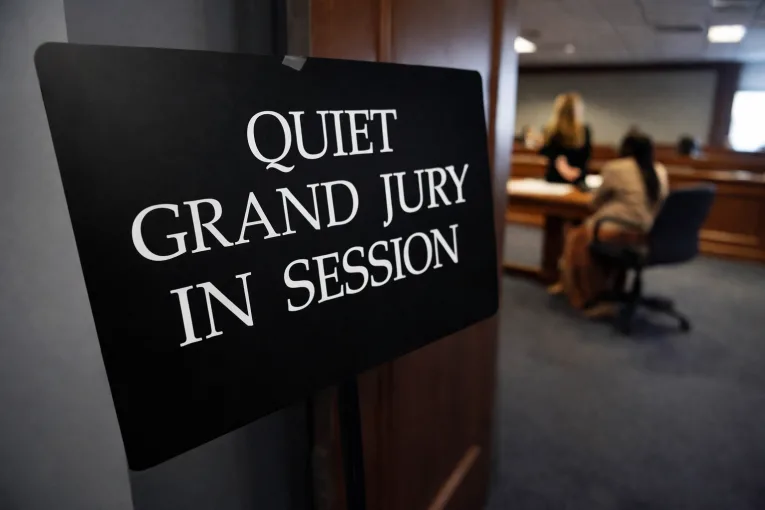
A D.C. grand jury’s decision not to indict six Democratic lawmakers accused of advising military and intelligence officials to refuse illegal orders is part of a growing trend of grand jury resistance to Trump administration prosecutions, which the Cato Institute attributes to the Justice Department’s “horrific abuses of power”.
President Donald Trump has called on Republicans to take over the administration of congressional elections in multiple states, raising constitutional and democratic concerns, and sparking debate over whether such a nationalization of congressional elections would survive constitutional scrutiny.
The Trump administration had a successful year at the Supreme Court in 2025 due to strategic legal decisions, but legal scholars expect a different outcome in 2026 as the court will be taking up cases with institutional responsibility.
A coalition of local prosecutors from across the country has been formed to support state-level prosecutions of federal law enforcement officers who violate state criminal laws, in response to what they describe as increasingly aggressive federal enforcement tactics.
The U.S. Supreme Court has created confusion in the criminal justice system through its Second Amendment jurisprudence, leaving lower courts uncertain about how to apply gun laws and causing conflicting rulings.
Mike Fox argues that the modern legal system has created a “legal black hole” around misconduct by federal agents, making it difficult for families to hold them accountable for excessive force.
Public universities may lawfully regulate certain forms of speech when a reasonable member of the campus community could construe that expression as a disruptive threat, but this standard has been inconsistently applied and widely misunderstood.