access to justice

COURT WATCH: Judge Questions Indigent Accused over Public Defender Application

Boulder County Court Judge Jonathan P. Martin questioned an indigent accused person during an arraignment regarding her efforts to obtain public defense counsel, despite the prosecution’s acknowledgment that she was awaiting a response from the public defender’s office. Judge Martin noted discrepancies in the accused’s reported application timeline and her contact with the public defender’s office, emphasizing that the case, now in its fourth arraignment, would proceed irrespective of legal representation.

Public Defender Seeks Dismissal of Domestic Battery Case for Justice’s Sake

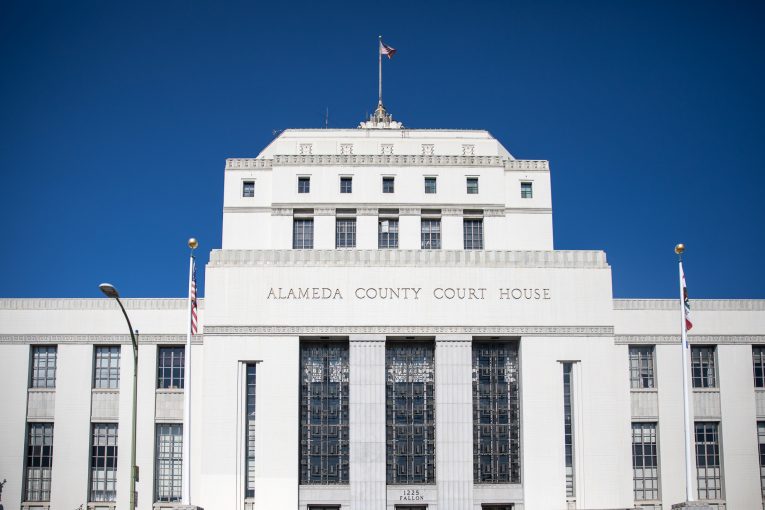
Alameda County Superior Court Judge Bentrish Satarzadeh maintained a criminal protective order, rejecting defense contentions that the complaining witness lacked the financial and communication resources necessary to modify the mandate. The decision was rendered despite Public Defender Palden Ukyab’s arguments regarding the complaining witness’s initial opposition to the order, with proceedings scheduled to resume on September 11.

Judge Reverses Zoom Denial after Accused’s Children Wait Unsupervised

An Alameda County Superior Court judge granted an accused mother’s request for a virtual appearance at her September 30 disposition hearing, reversing an initial denial after the court learned her young children were awaiting supervision outside the courtroom. The decision allows the accused to manage childcare responsibilities while fulfilling court obligations.

Court Watch: Court Orders Probation, Fines for Injured Defendant Despite Incapacity

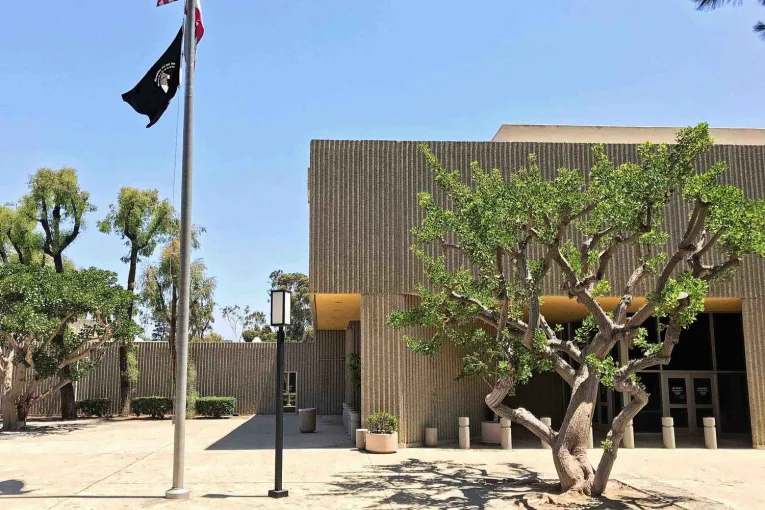
Judge Richard E. Pacheco granted a Newport Beach defendant three years of informal probation and an extension for a court-ordered program, despite concerns regarding his physical condition and financial capacity to meet judicial requirements. The resolution of two criminal cases via plea agreement occurred amidst revelations of the defendant’s injury and inability to work, prompting a postponement of financial obligations that remained un-waived.

NO RECORD, NO JUSTICE: How California Bans the One Tool That Could Fix the Courts

The California Supreme Court is slated to hear oral arguments on June 3 concerning the constitutionality of the state’s prohibition on electronic recording in courtrooms. This judicial review addresses a systemic issue where over one million California court hearings annually conclude without an official transcript or formal record, a deficiency acknowledged by the state’s own judicial council.