Brennan Center for Justice

Voter Challenge Laws Have Long Been Used to Disenfranchise Black Voters, Brennan Center Finds

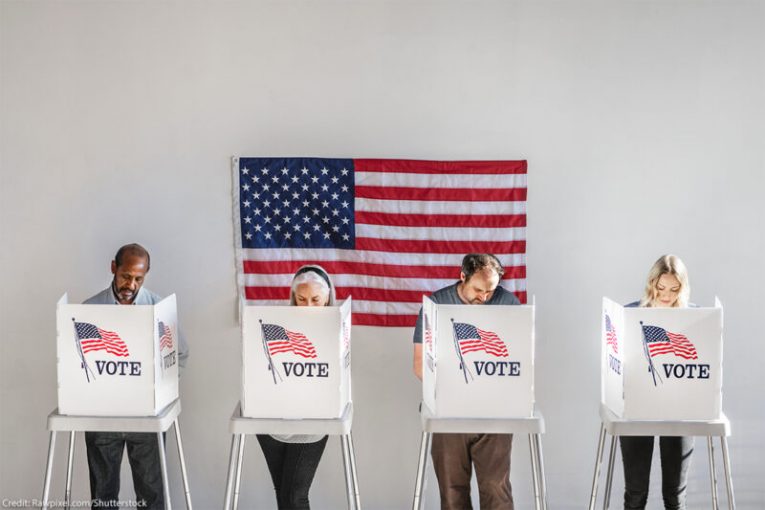
A Brennan Center for Justice report details how laws enabling private citizens to challenge voting eligibility have historically been utilized to suppress Black voters and other voters of color, tracing the practice from the post-Reconstruction era to contemporary challenges. The analysis highlights instances such as the 1872 removal attempts against recently freed Black Americans in Wake County, North Carolina, and recent efforts including a 2012 challenge targeting people of color and pre-2024 directives to identify voters with “Hispanic-sounding last names.” The nonpartisan law and policy institute concludes that these challenge mechanisms, which expanded across numerous states between 1867 and 1880, are not essential for voter roll accuracy and frequently serve as tools for voter intimidation, often concealing racially motivated objectives.


State Supreme Courts to Rule on Property Tax, Gun Control, Voting Rights

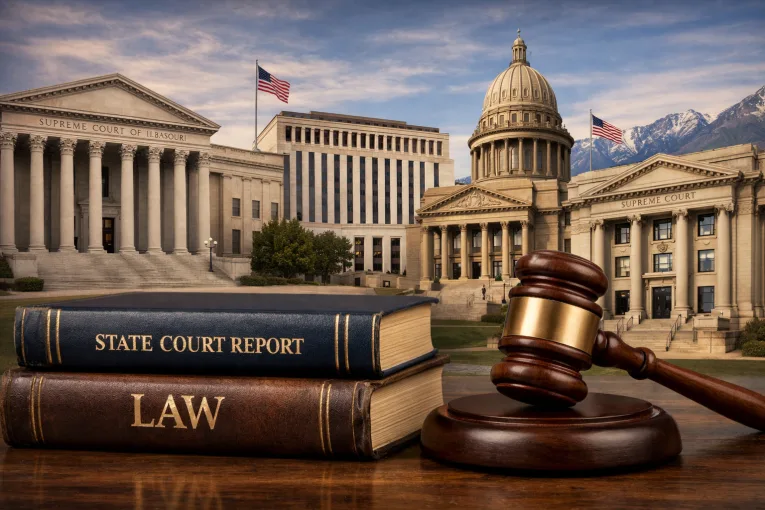
State supreme courts across the country are poised to hear a series of significant cases in June that could shape public policy on property taxes, voting rights, firearm regulations, court access, and protections for incarcerated transgender individuals, according to a report released Monday by the Brennan Center for Justice at NYU Law.

Report Finds Rehabilitation-Focused Prison Programs Reduce Violence and Recidivism

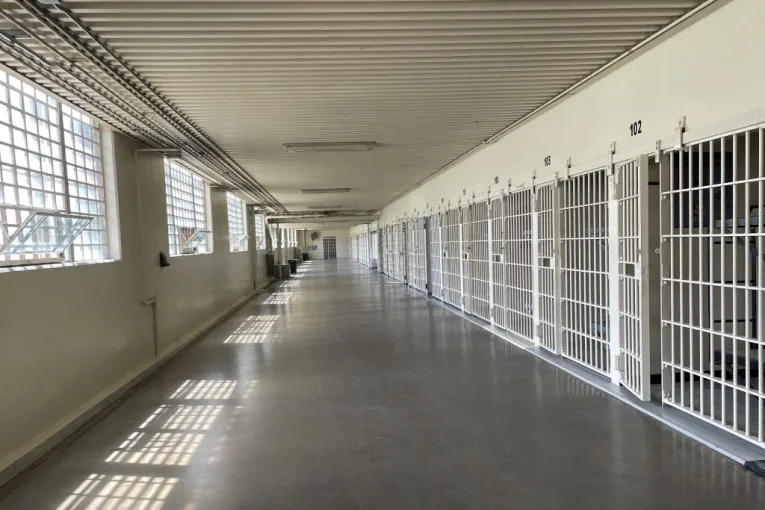
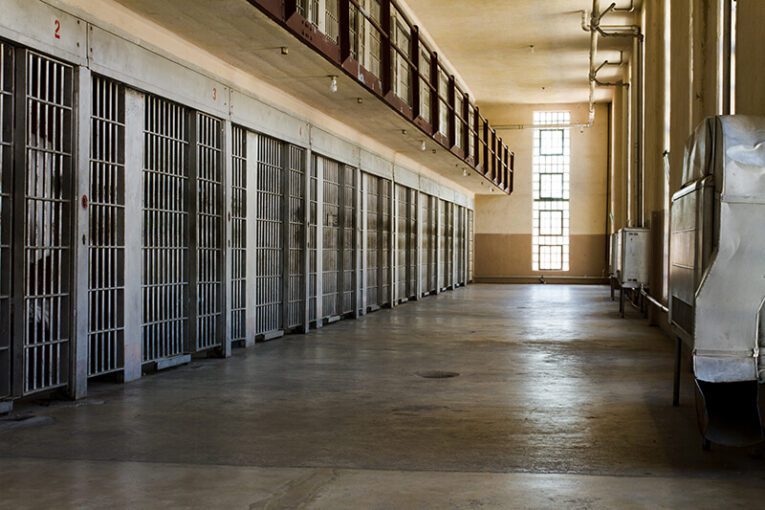
A new report from the Brennan Center for Justice posits that rehabilitation-focused prison reforms can mitigate violence within correctional facilities, enhance conditions for both incarcerated individuals and staff, and decrease post-release recidivism rates. The report cites programs such as the Vera Institute of Justice’s Restoring Promise initiative and the Maine Model of Corrections, which have demonstrated reductions in violent incidents and disciplinary measures, alongside improved employment outcomes and lower recidivism rates observed in The Last Mile and Michigan’s Vocational Village programs.

Chief Justice Roberts’ Rulings Undermine Judicial Neutrality, Analysis Finds

A recent analysis published by the legal newsletter Law Dork contends that Chief Justice John Roberts continues to contribute to the perceived politicization of the U.S. Supreme Court, despite his repeated assertions of judicial neutrality, through decisions that have significantly altered constitutional interpretation and generated widespread political consequences.

Brennan Center Report Warns Baseless Election Fraud Claims Are Driving Seizures of Election Records

The Brennan Center for Justice recently issued a warning regarding law enforcement seizures of election materials nationwide, asserting that such actions are frequently predicated upon faulty information and debunked allegations of electoral fraud, thereby generating apprehension concerning public confidence in democratic processes and the misallocation of governmental assets.

Study Challenges Link Between Longer Sentences and Public Safety

The Sentencing Project’s article cites evidence that increasing prison sentences based on criminal history does not improve public safety and disproportionately harms people of color, and proposes that criminal records should account for no more than 10% of sentence lengths for 10-year or longer sentences.

Federal Funding Cuts Jeopardize Prison Rape Prevention Efforts

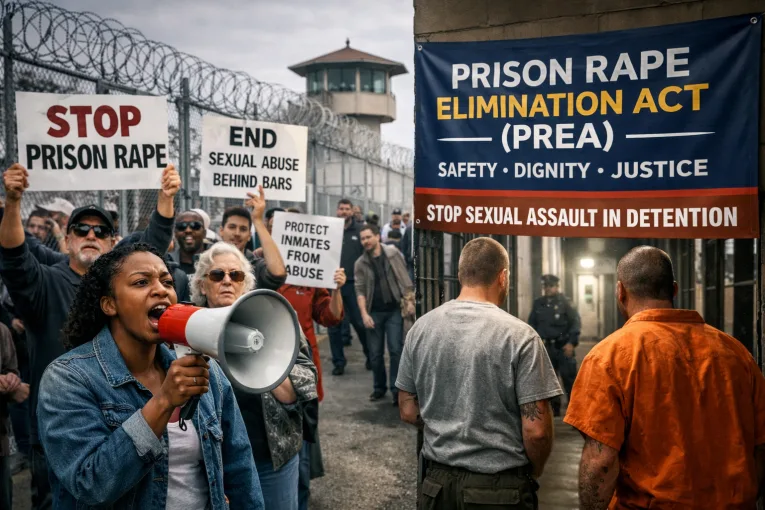
The Brennan Center for Justice at NYU Law has released a report detailing how federal funding cuts are undermining the 2003 Prison Rape Elimination Act, which has led to increased risks for incarcerated individuals, including LGBTQ+ individuals, and has resulted in the closure of the National PREA Resource Center.

Federal Prison Oversight Act Brings New Era of Accountability

The Federal Prison Oversight Act was passed to increase transparency and accountability in the nation’s largest prison system, giving the DOJ inspector general new authority to inspect federal prisons and allowing for an independent party to investigate claims made by incarcerated people, their families and prison staff.