Village Farms

Op-ed | Toward a Better Village Farms

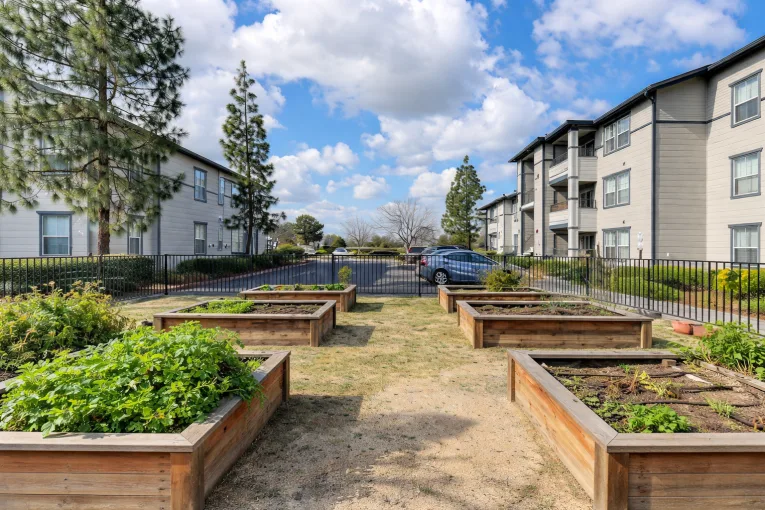
The defeat of Measure V, which sought to introduce 1,800 housing units, has prompted calls for the City of Davis to develop a more comprehensive project design for the Village Farms site. Advocates propose a framework that integrates transit-oriented development, diverse housing typologies, and pedestrian-friendly boulevards, aiming to address prior criticisms of the measure’s proposed urban planning.

Op-ed | The DJUSD Board Has Lost the Public’s Trust

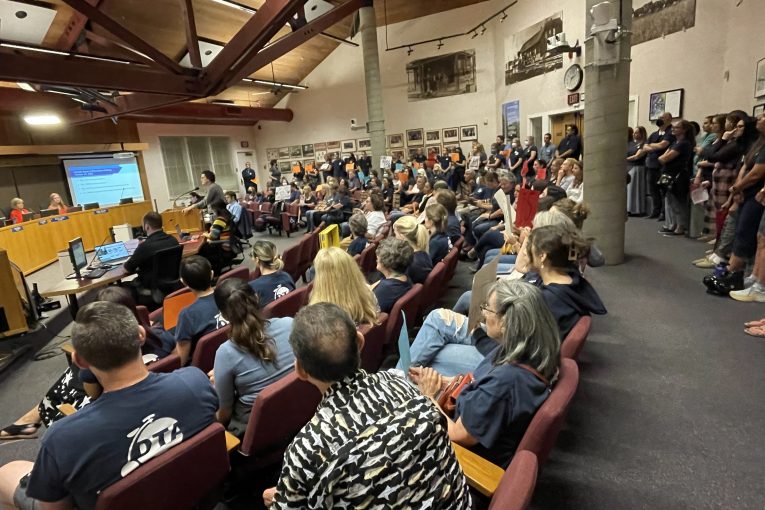
The Davis Joint Unified School District is currently facing scrutiny over its perceived advocacy during the Measure V campaign and questions of transparency, particularly following its post-election decision to defer discussions on school closures and boundary changes that had previously been presented as urgent.

Sunday Commentary | After Measure V, the Question Isn’t Whether Measure J Works — It’s Whether the State Will Continue to Allow It

The defeat of Measure V in Davis reaffirmed the structural impediments to peripheral housing development, despite the city’s acknowledged need for additional housing units. The Village Farms proposal, which included up to 1,800 housing units, was rejected by a margin of less than one percentage point, underscoring the enduring impact of Measure J, which mandates voter approval for such projects. This outcome intensifies scrutiny regarding the efficacy of local approval processes, particularly from entities such as the California Department of Housing and Community Development, which has previously identified Measure J as a potential constraint on housing production.

Davis Voters Appear to Reject Measure V, Blocking Village Farms Development

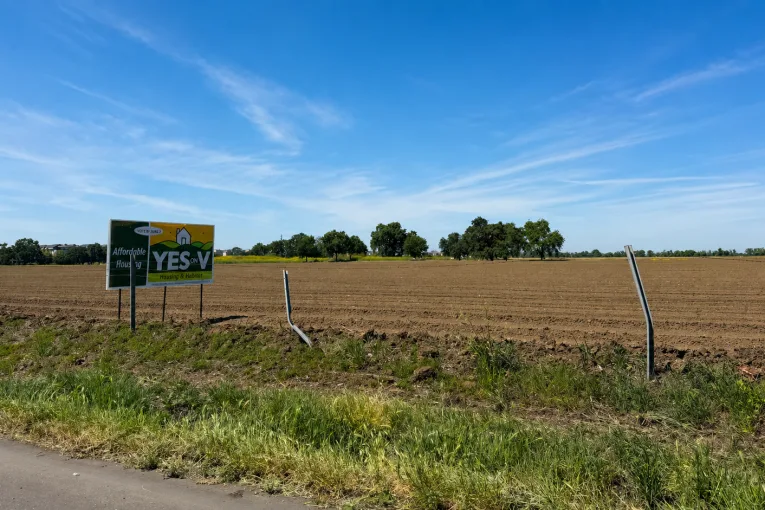
According to the latest unofficial results released by Yolo County, Measure V, a ballot initiative proposing the Village Farms development north of Covell Boulevard, appears to have been defeated. The measure, which sought to amend the city’s General Plan to allow up to 1,800 housing units on agricultural land, garnered 11,181 votes in favor against 11,451 opposed, resulting in a 270-vote deficit. This outcome, with a 1.2 percentage point gap, marks another defeat for a peripheral-growth housing proposal under Davis’ Measure J framework, despite being one of the closest such contests in the city’s history.

Davis’s Measure V Outcome Hinges on Thousands of Uncounted Ballots

Measure V, a voter referendum concerning the proposed Village Farms development in north Davis, remained narrowly behind in early election returns, according to the latest update from Yolo County election officials. With thousands of ballots yet to be processed, the outcome remains uncertain for the measure, which seeks voter approval for a residential community of up to 1,800 housing units on approximately 498 acres of agricultural land.

Opinion | Village Farms Debate Exposes Davis’s Deep-Seated Housing Crisis

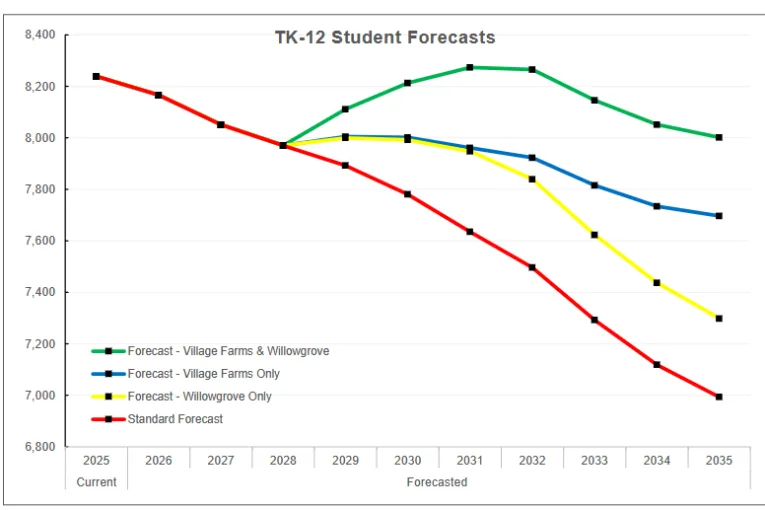
The Village Farms development proposal has encountered considerable opposition within the Davis community. However, available evidence suggests that a rejection of the project may intensify the city’s existing housing crisis, contributing to elevated housing costs, continued decline in school enrollment, and increased state pressure to meet housing obligations.

Letter: I Did Not Endorse Measure V

A Davis educator has publicly stated her inclusion on an endorsement list for ‘Yes on Measure V (Village Farms)’ occurred without her knowledge or authorization. The individual has consistently opposed the proposed development, citing specific concerns related to potential environmental health hazards and the project’s failure to adequately address affordable housing requirements.

San Diego Housing Report Suggests California’s Housing Reforms May Be Beginning to Work

The California Housing Partnership’s 2026 Affordable Housing Needs Report indicated a 90 percent increase in affordable housing production in San Diego County over the past year, notwithstanding a decline in state and federal housing funding. This finding suggests California’s housing policies are beginning to influence the trajectory of the region’s affordability crisis.