Davis housing

Monday Morning Commentary | Davis Says It’s for Everyone, but Its Housing Policies Tell a Different Story

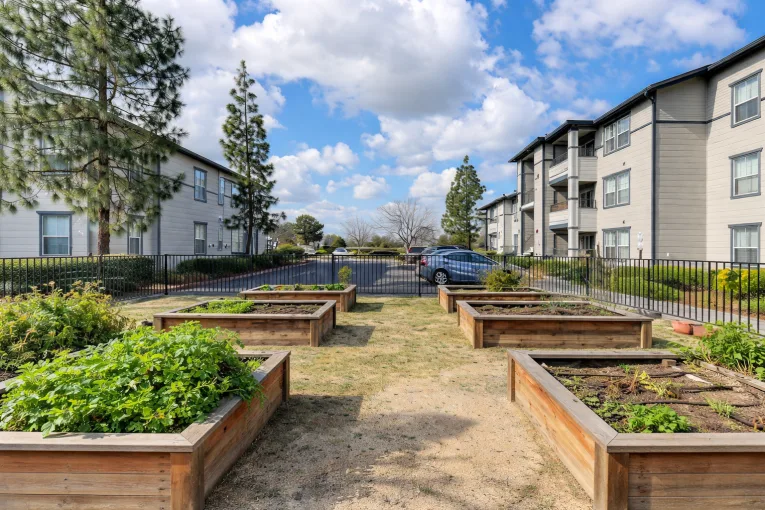
Davis, California, a municipality frequently recognized for its progressive social justice and inclusionary values, confronts a significant contradiction within its housing sector. Despite its stated commitments, the city’s land-use policies have contributed to a housing market characterized by median home prices often exceeding $1 million and limited rental availability. This dynamic effectively restricts access for middle-class families and working-class residents, thereby challenging the practical application of its proclaimed ideals.

Sunday Commentary | Davis Housing Debates Obscure Underlying Mobility Crisis

The housing challenges in Davis, California, extend beyond mere affordability, reflecting a broader national crisis of geographic mobility, according to historian Yoni Appelbaum. Appelbaum’s analysis indicates that declining mobility over the past five decades, largely due to restrictive land-use policies, has increasingly impeded individuals’ ability to relocate to areas offering economic opportunity. This trend impacts communities like Davis, where a major employer such as UC Davis generates significant opportunities, yet many workers and families face barriers to residency.

Opinion | Village Farms Debate Exposes Davis’s Deep-Seated Housing Crisis

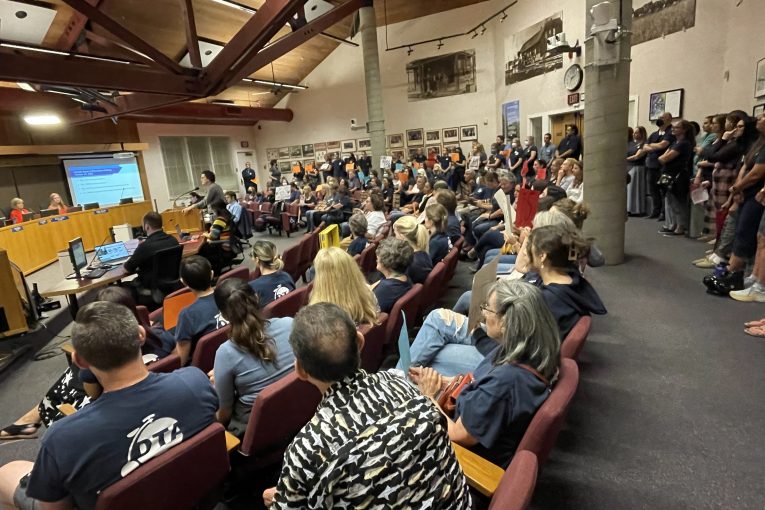
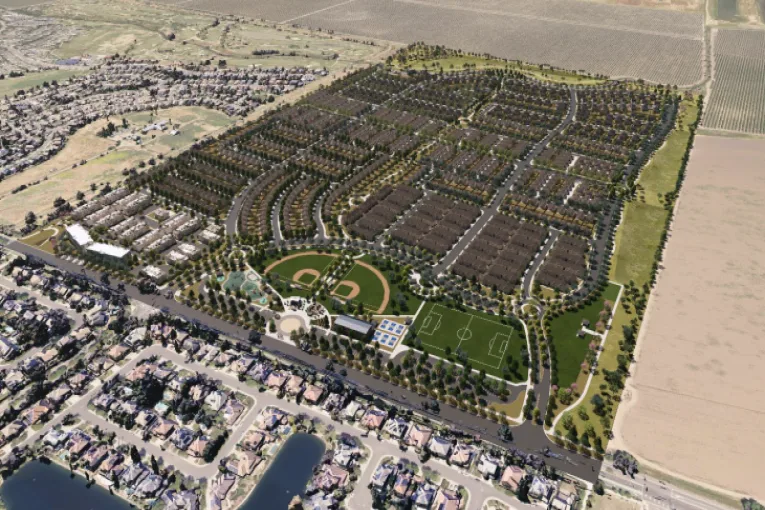
The Village Farms development proposal has encountered considerable opposition within the Davis community. However, available evidence suggests that a rejection of the project may intensify the city’s existing housing crisis, contributing to elevated housing costs, continued decline in school enrollment, and increased state pressure to meet housing obligations.

Letter: I Did Not Endorse Measure V

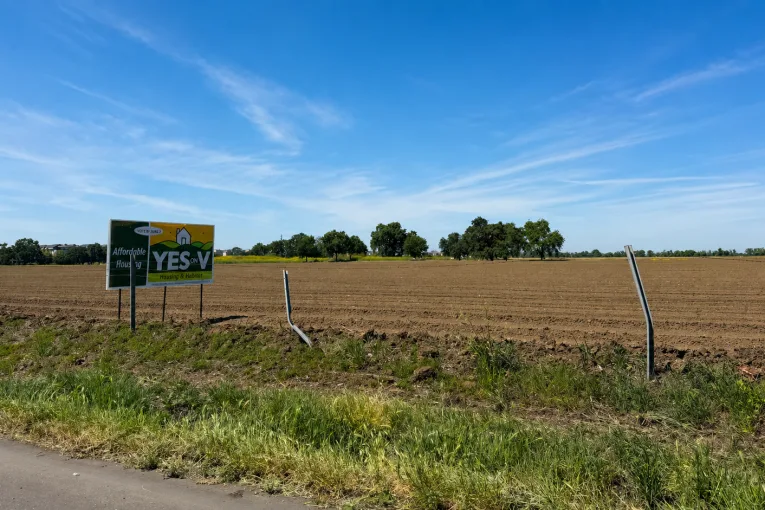
A Davis educator has publicly stated her inclusion on an endorsement list for ‘Yes on Measure V (Village Farms)’ occurred without her knowledge or authorization. The individual has consistently opposed the proposed development, citing specific concerns related to potential environmental health hazards and the project’s failure to adequately address affordable housing requirements.

Op-ed | Much Ado about Crossings

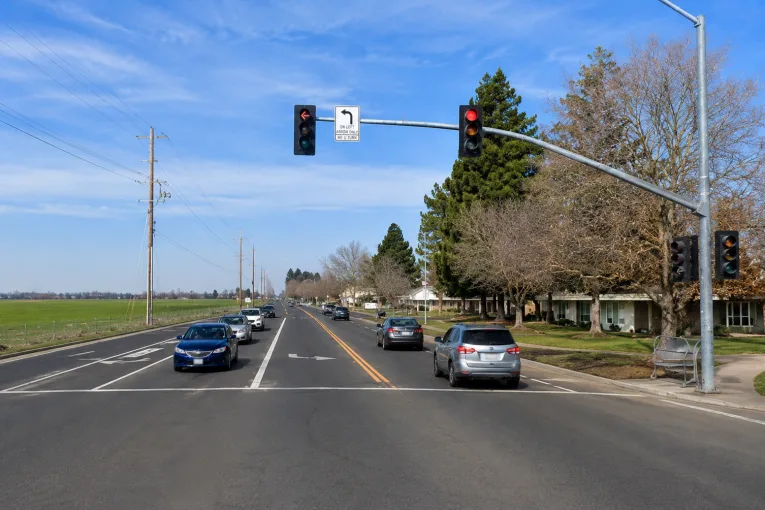
Project representatives for Village Farms Davis affirmed the feasibility of the proposed bicycle overcrossing, stating it would be financed entirely through project contributions and impact fees, thereby incurring no taxpayer expense. They underscored a demonstrated capacity to navigate Union Pacific Railroad’s guidelines, citing prior engineering plan approval for a larger grade-separated crossing at the Nishi development.

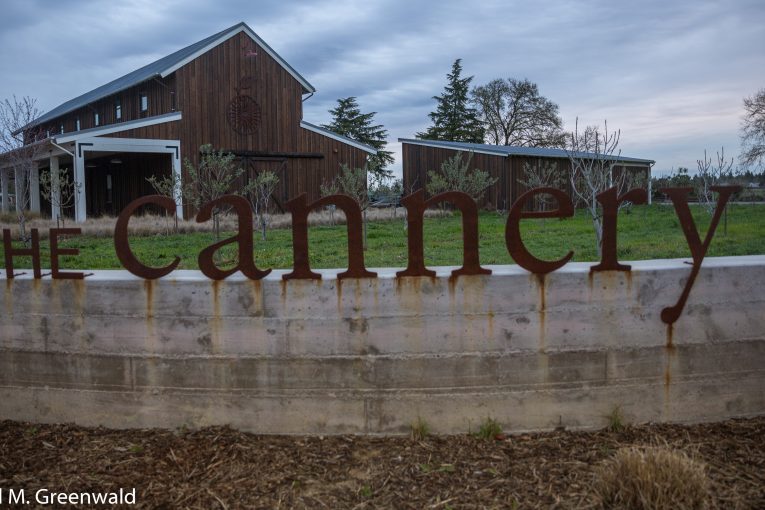
Op-ed | Why a Cannery Mom Is Voting Yes on Measure V: We Shouldn’t Pull Up the Drawbridge

Measure V, a ballot initiative in Davis, California, is presented as a strategy to enhance community accessibility and attainability for families, building upon the city’s established reputation as a desirable location for family rearing. Advocates contend that the measure would concurrently stimulate economic vitality, thereby fostering a healthy and resilient local economy.

Opinion: How Berkeley Solved Its Housing Crisis. And How Davis Can Solve Its

Berkeley and Davis have both experienced a reduction in rental costs, a development attributed to increased housing production within their respective jurisdictions. Berkeley’s strategy involved a significant expansion of multifamily housing, leading to a broader market impact. Conversely, Davis’s rent stabilization primarily resulted from an increase in student-oriented rental units, leaving the city with an unresolved crisis in ownership housing.

Davis City Council to Consider Willowgrove Housing Proposal

The Davis City Council is considering the 232-acre Willowgrove housing proposal, which includes 1,250 housing units, 250 of which are affordable, and is intended to address the city’s long-standing housing shortage, with the project’s fate ultimately resting with Davis voters in November 2026.